

 Português
Hermelindo Fiaminghi was a multiple artist with an intense presence in the cultural scene of São Paulo. Their various professional experiences mutually influenced their imagery research. Even though he was one of the protagonists of the São Paulo concrete group, Fiaminghi devoted most of his career, from 1960 to 1990, to investigating the use of color. He names this important part of his production by the term Corluz, sometimes opting for the use of photolithotic grids and offset in CMYK, sometimes for the use of tempering.
Born in São Paulo in 1920, Fiaminghi attended the Lyceum of Arts and Crafts in São Paulo between 1936 and 1941, where he studied painting with Waldemar da Costa. During the same period, he studied graphic arts, dedicating himself for a long time to lithography and working in the main graphic industries in São Paulo. In 1946, he opened Graphstudio, his graphic production office, which led him to work in the advertising area. It was in the following decade that his production as a painter began to take shape. In the mid-1950s, Fiaminghi joined the group of concrete artists from São Paulo coordinated by Waldemar Cordeiro, actively participating in the 1st National Exhibition of Concrete Art, contributing to poem-poster projects by great concrete poets, such as Haroldo de Campos and Décio Pignatari and acting in the graphic production of Noigandres magazine. The works, which present little variety of colors at that moment, create a visual rhythm and work with the suggestion of displacement of geometrized figures. Afterwards, the artist participated in the creation of the Ateliê Coletivo do Brás and developed the Virtuais series. Between 1959 and 1966, Fiaminghi frequented Volpi’s studio, deepening his tempera painting technique and increasingly exploring the transparency of colors. In 1963, he co-founded the Associação de Artes Visuais and the Galeria Novas Tendências, in São Paulo, and six years later, he founded the Ateliê Livre de Artes Plásticas, in São José dos Campos, of which he was director and professor. In the 1980s, his brushstroke definitely moved away from concrete rigidity: in the series Desretratos and Despaisagens, the artist presents freer gestures, which reveal color as a floating surface.
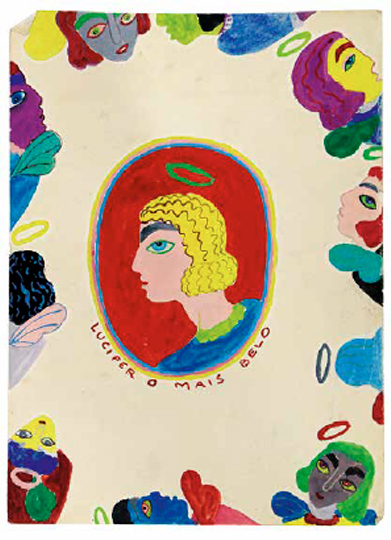
Lucifer o mais belo
1965
Gouache on paper 32 x 23 cm
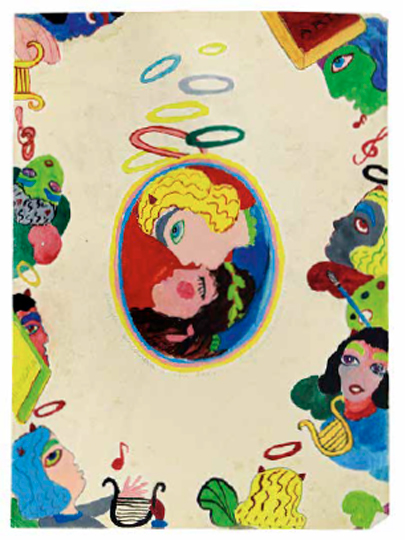
Lucifer encontra o seu lar
1965
Gouache on paper
32 x 23 cm

Sem Título
1965
Oil on wood22 x 17 cm

Missão cumprida
1966
Oil on wood
79 x 40 cm

Que horas são?
1966
Oil on wood
70 x 50,5 cm
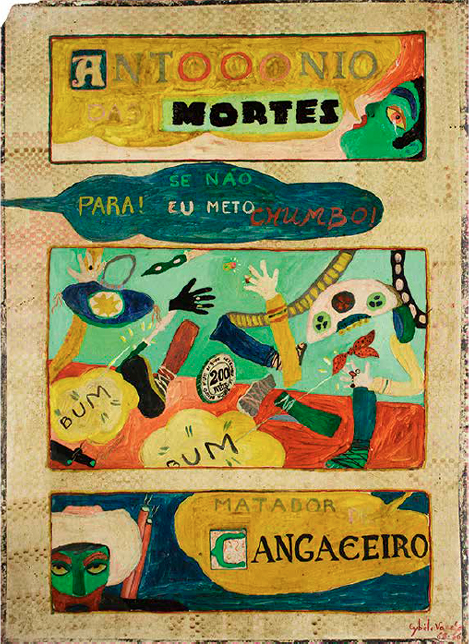
Antonio das Mortes
1965–1966
Oil on wood
81 x 65 cm
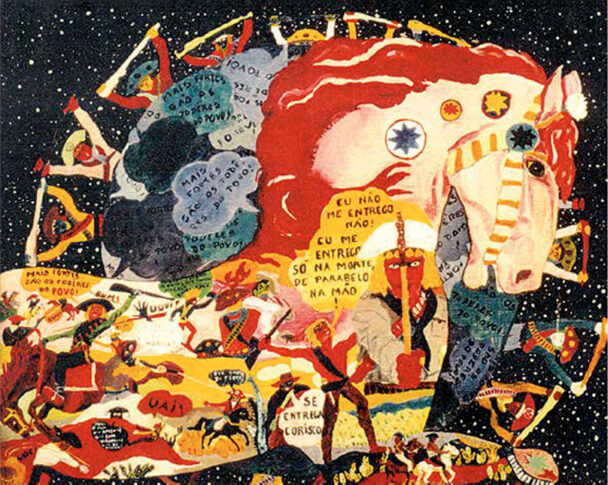
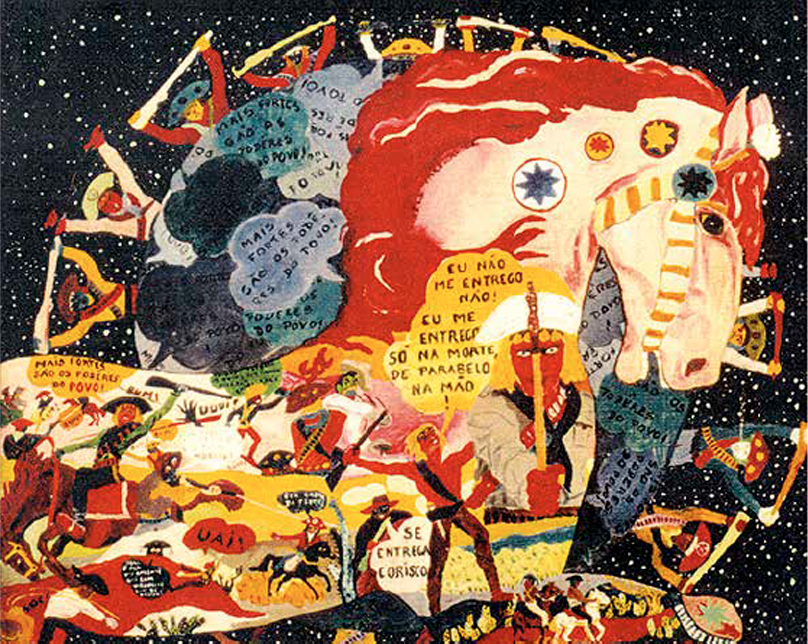
Corisco
1966
Oil on wood
97 x 130 cm
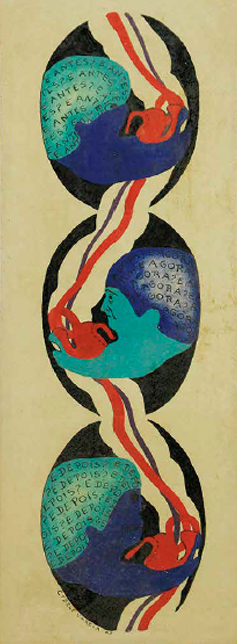
E antes? E agora? E depois?
1967
Industrial paint on wood
35 x 13 cm
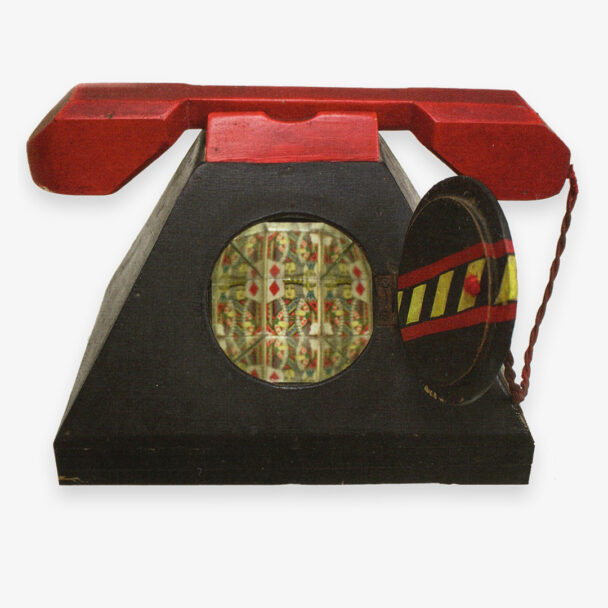
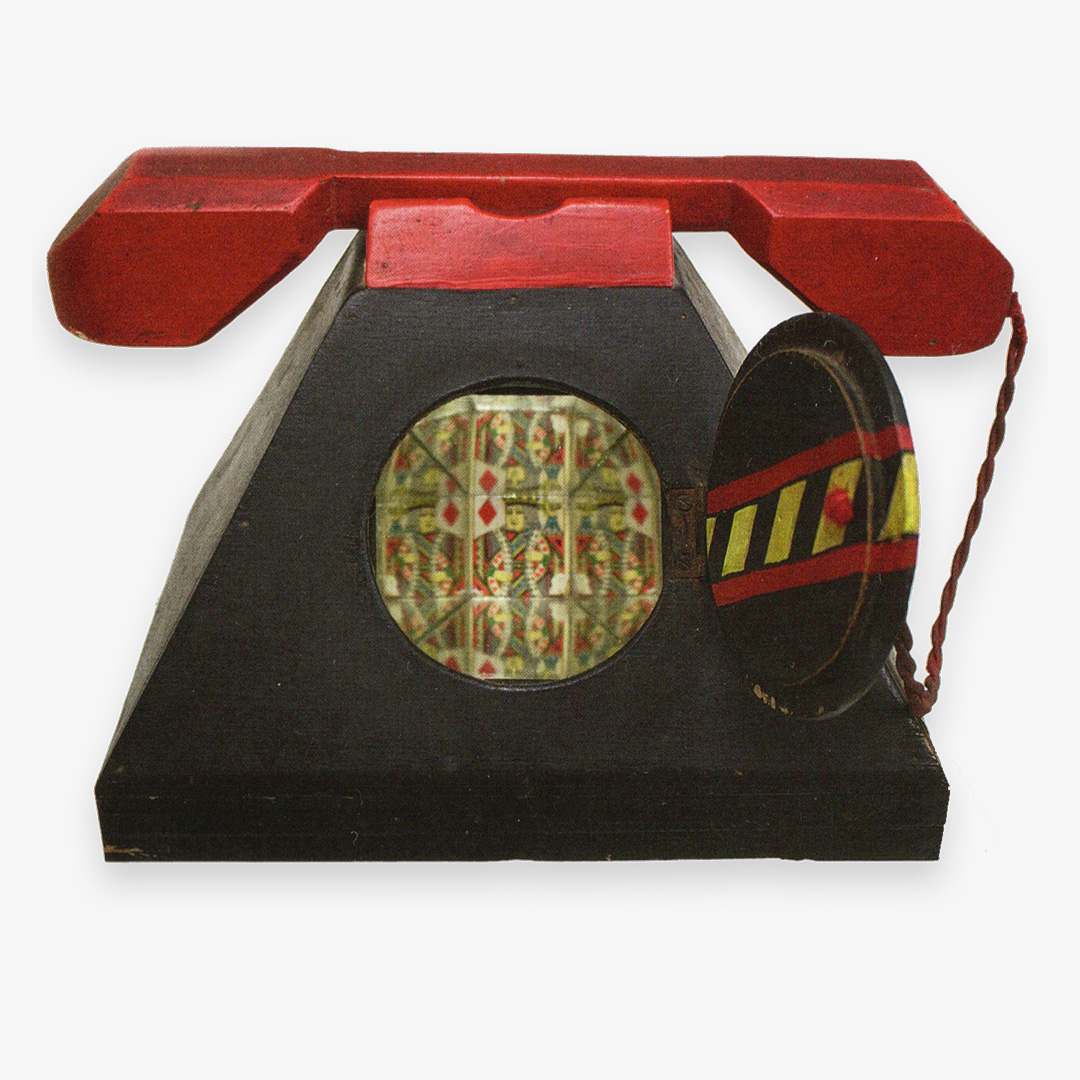
Telefone Real
1967
Oil on wood, mirros, paper and fiber
17 x 27 x 20 cm
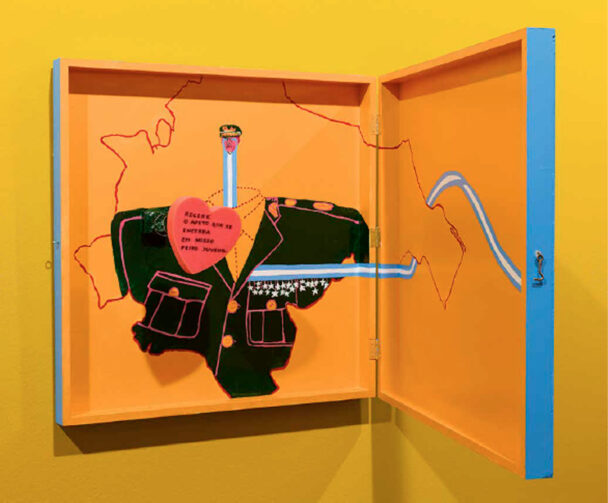
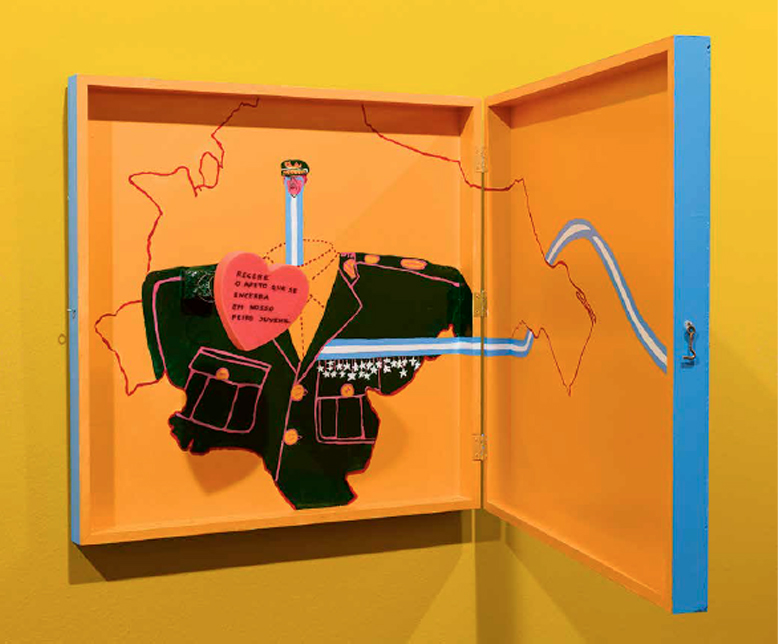
O Presente
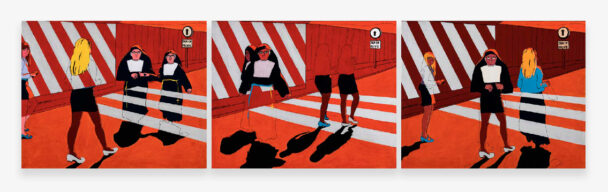
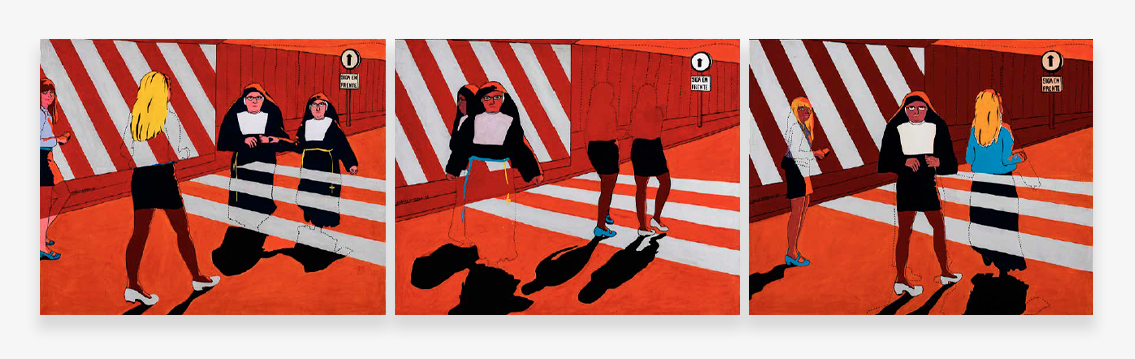
De tudo aquilo que pode ser
1967
Industrial paint on wood
80 x 100 cm
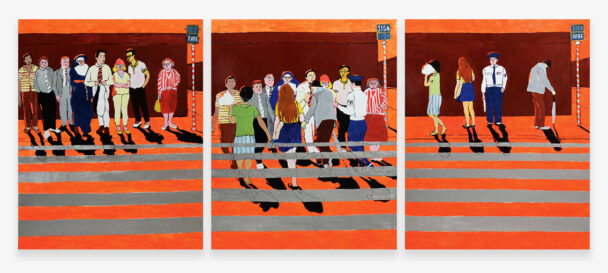
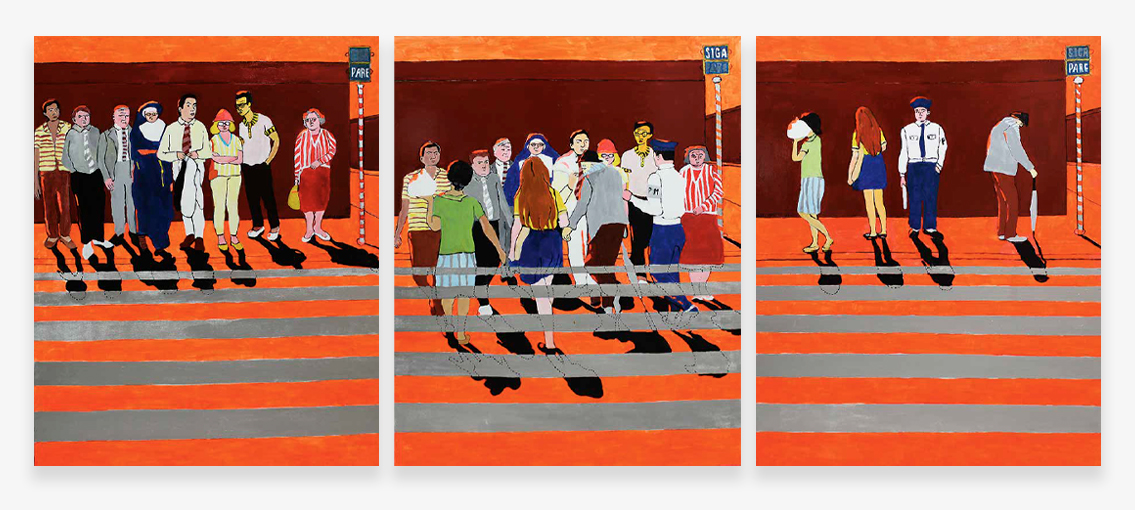
Pedestres
1967–2021
Industrial paint
on wood
120 x 80 cm
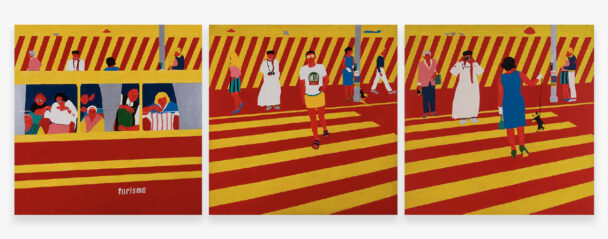
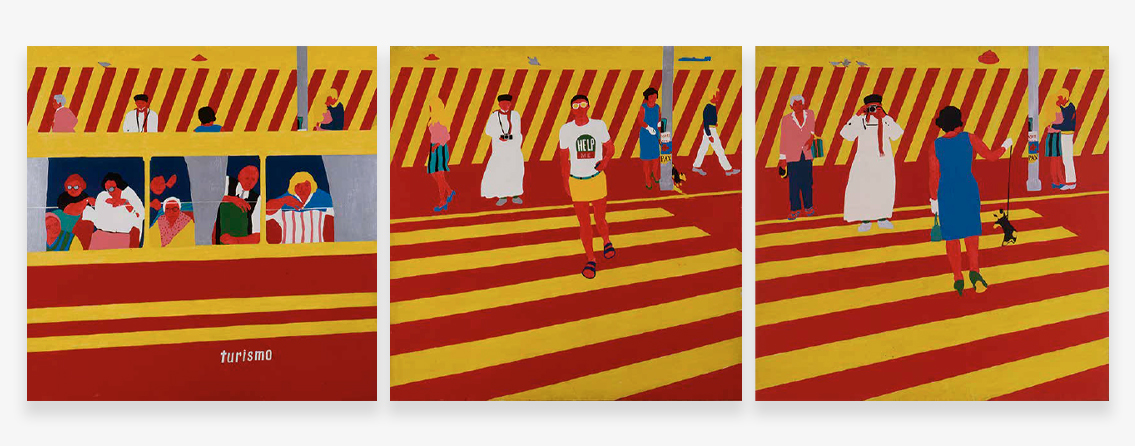
Cenas de rua
1968
ndustrial paint on wood
150 x 150 cm
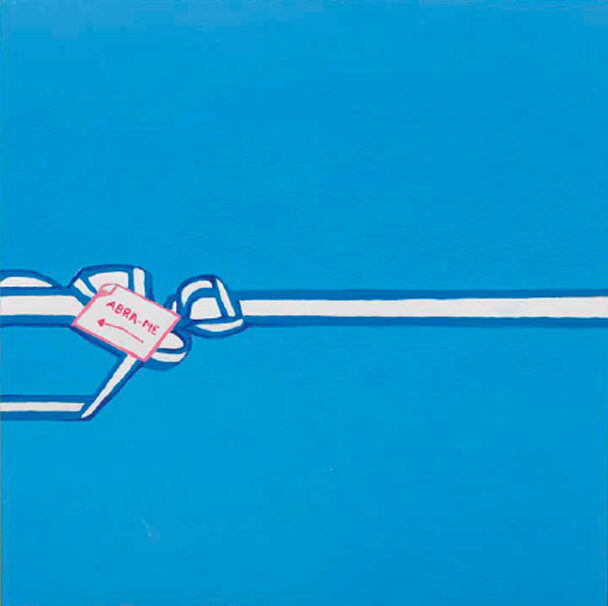
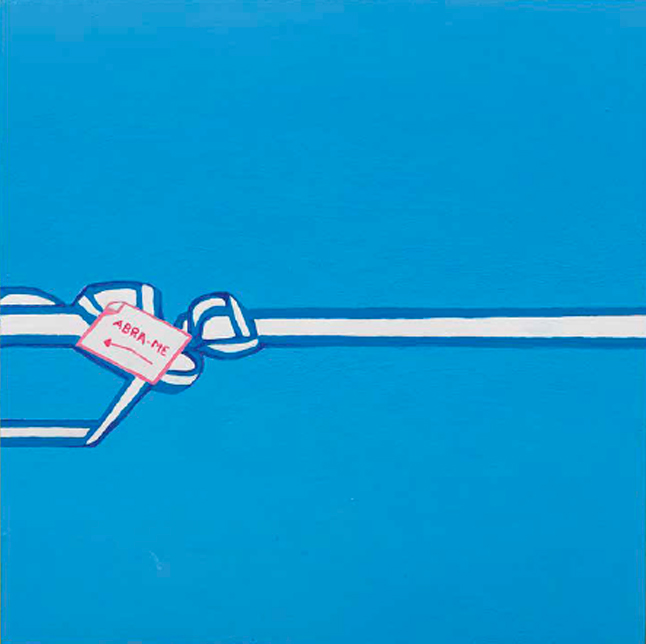
O presente
1967-2018
Industrial paint on wood, metal and synthetic sponge
65 x 130 x 4,5 cm
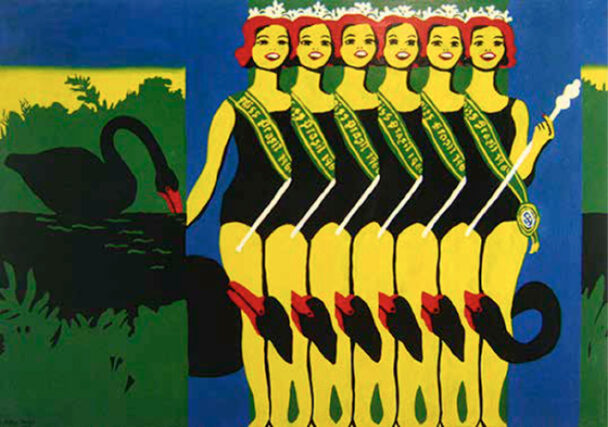
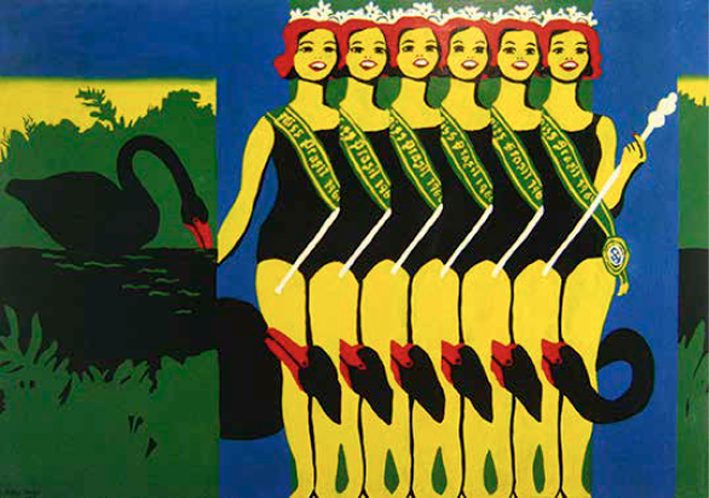
Miss Brazil e o cisne
1968
Industrial paint on wood 80 x 100 cm


Souvenir de Rio
1968-2016
Acrylic and industrial paint on canvas
100 x 50 cm
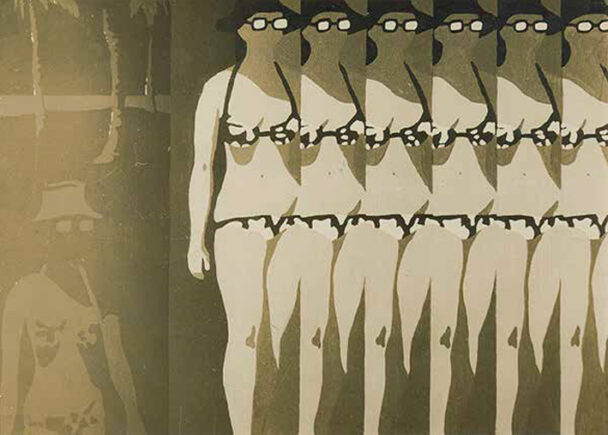
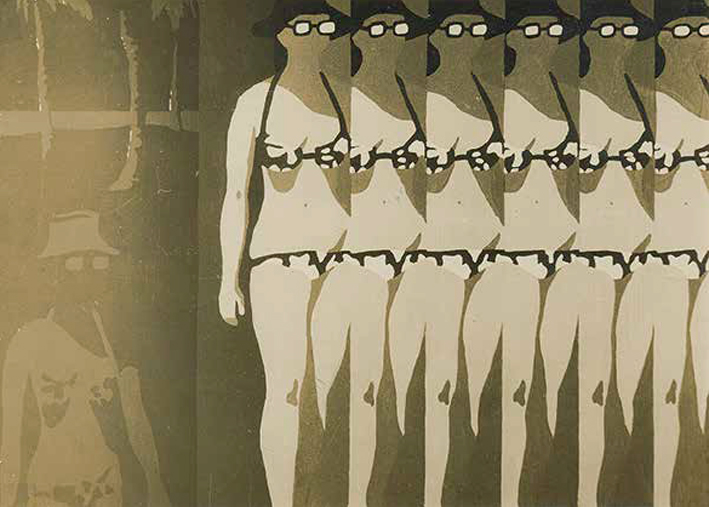
Ipanema
1968
Industrial paint on wood
100 x 180 cm
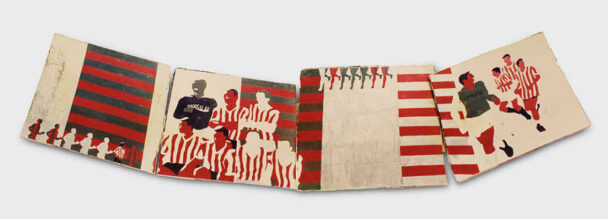
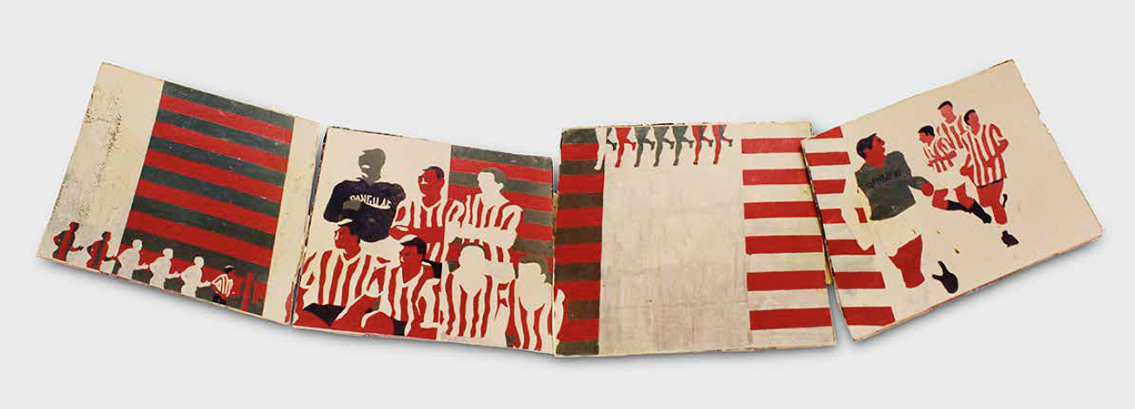
Os jogadores
1968
Industrial paint on wood
100 x 400 cm

Cinco moças passeando
1968
Industrial paint on wood
90 x 110 cm
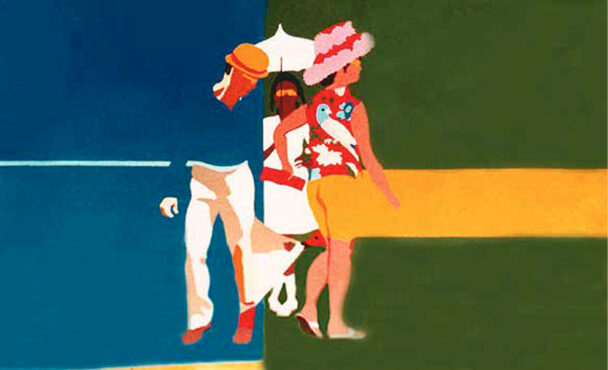
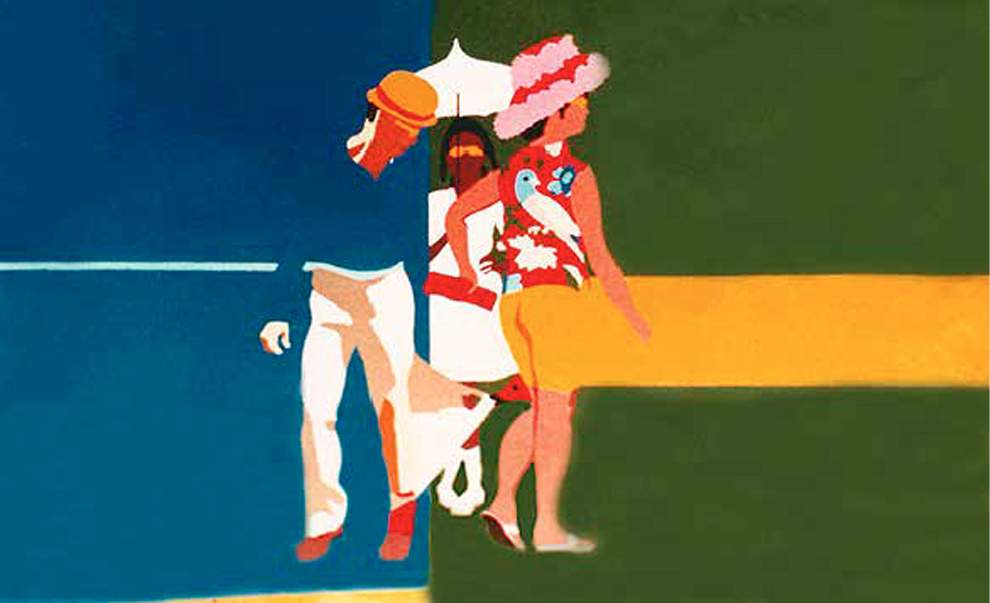
O encontro
1970
Industrial paint on wood
150 x 260 cm
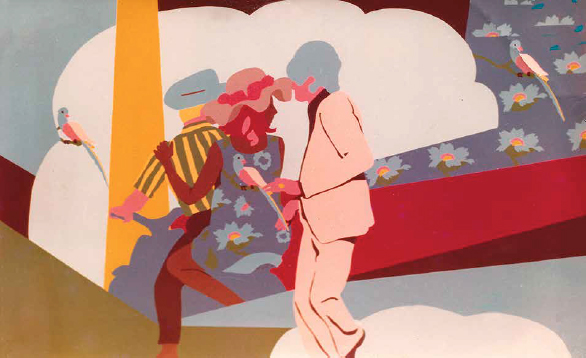
O Papagaio
1970
Industrial paint on wood
150 x 260 cm
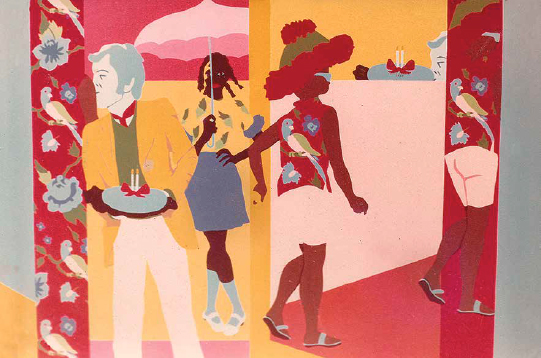
O bolo
1970
Industrial paint on wood
150 x 260 cm
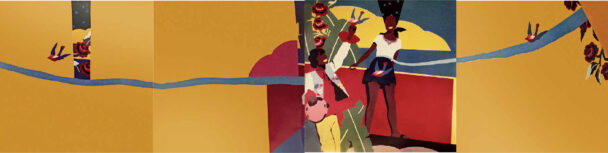
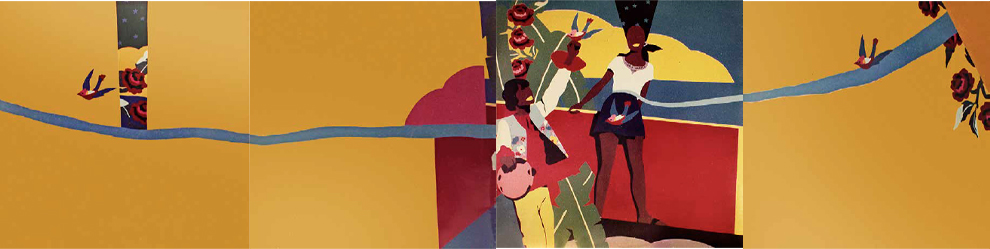
A Festa
1970
Industrial paint on wood
100 x 400 cm
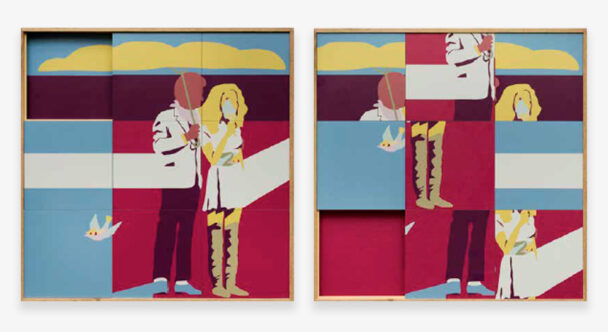
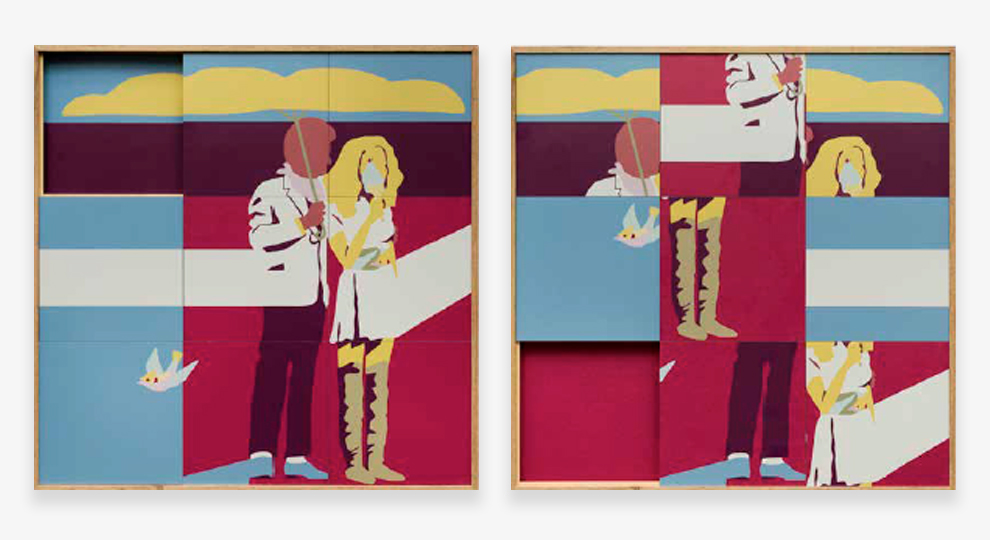
Um passeio feliz 2
1970-2023
Wood and UV print on PS
62 x 62 x 4 cm
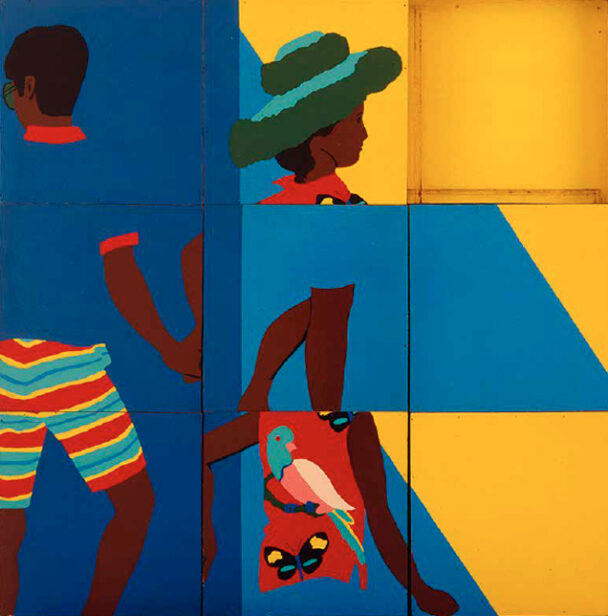
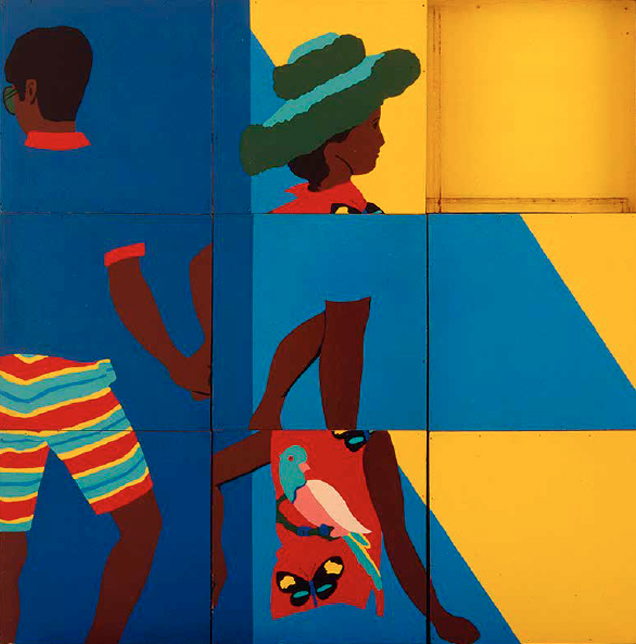
Um Passeio feliz
1970
Industrial paint on wood 92,3 x 91,6 cm


Moça correndo
1970
Industrial paint on wood 89,5 x 100 cm


Moça correndo na praia
1968–1969
Industrial paint on wood
47 x 75 cm


Laço de Cisne
1972
Plexiglas laminated on wood, photographic print on paper
30 x 50 x 5 cm
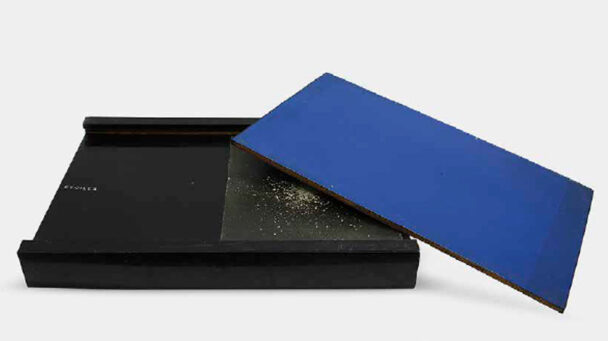
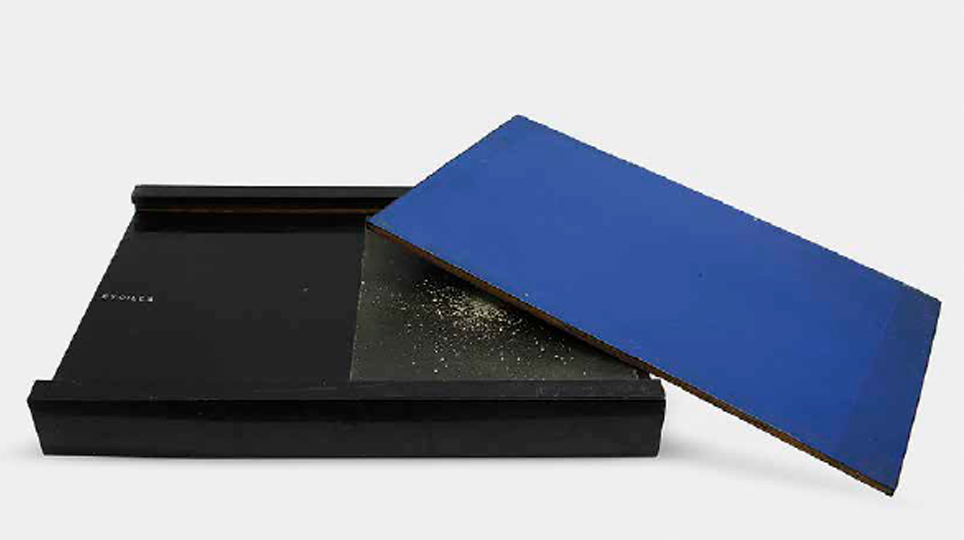
Estrelas
1972
Plexiglas laminated on wood, photographic print on paper
30 x 50 x 5 cm
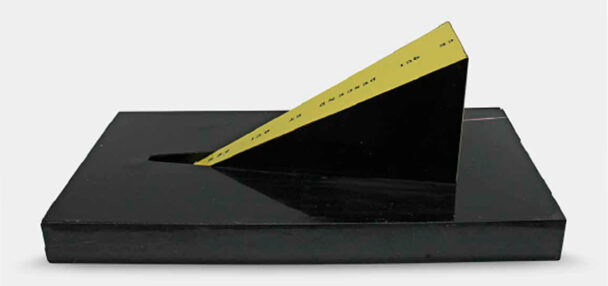
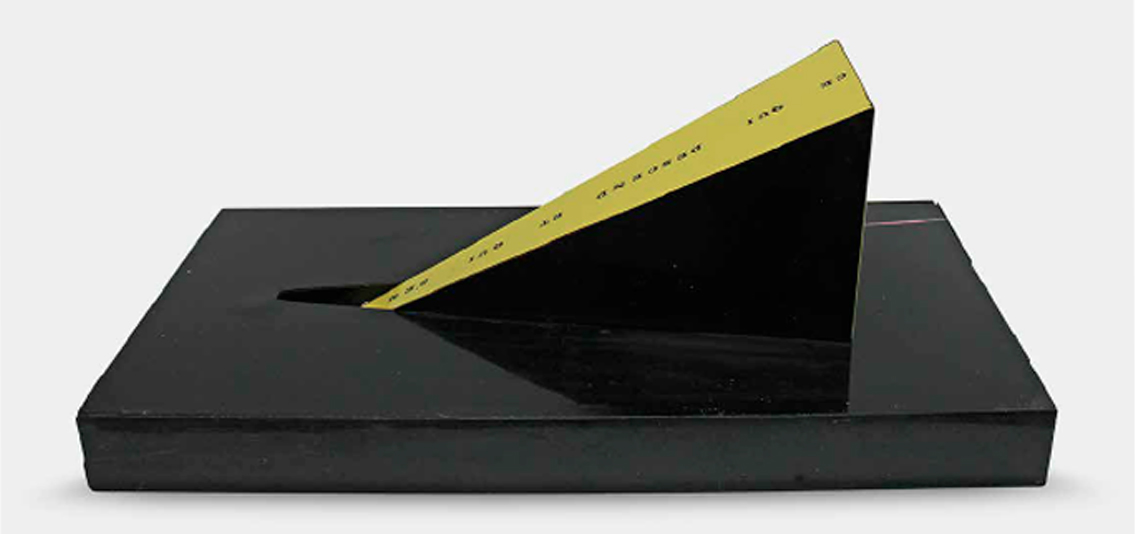
O que desce e vai embora
1972
Plexiglas laminated on wood 25 x 50 x 20 cm
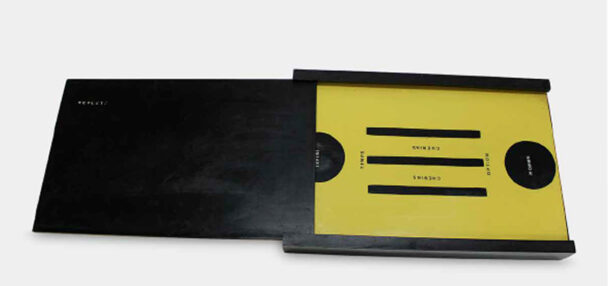
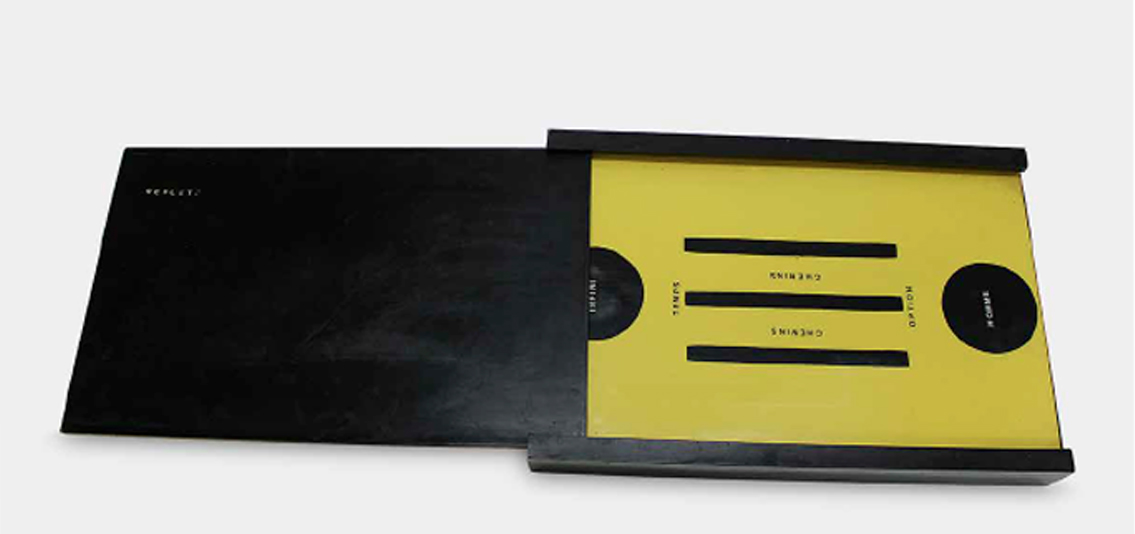
Refletos
1972
Plexiglas laminated on wood 30 x 50 x 5 cm


Maison du Brésil
1973
Industrial paint on wood 61 x 92 cm


O café da manhã
1973
Industrial paint on wood
91,4 x 120,5 cm
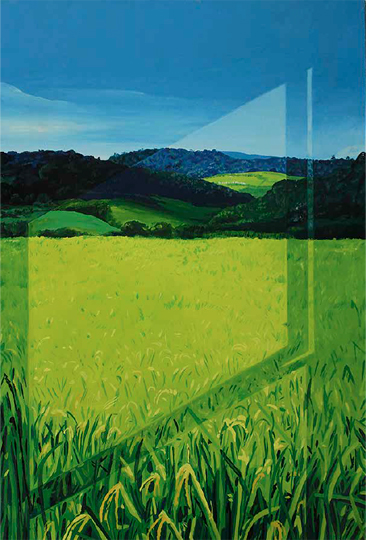
Image
1974
Industrial paint on wood102 x 69 cm
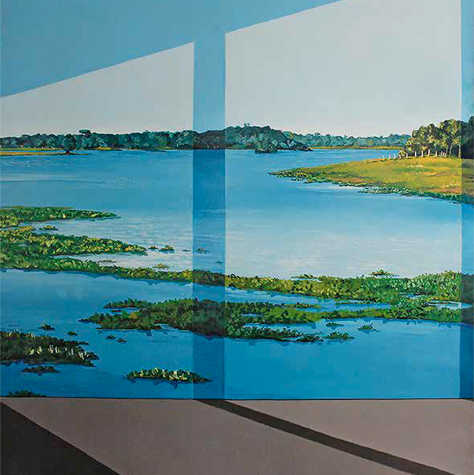
Image
1974
Industrial paint on wood 140 x 125 cm
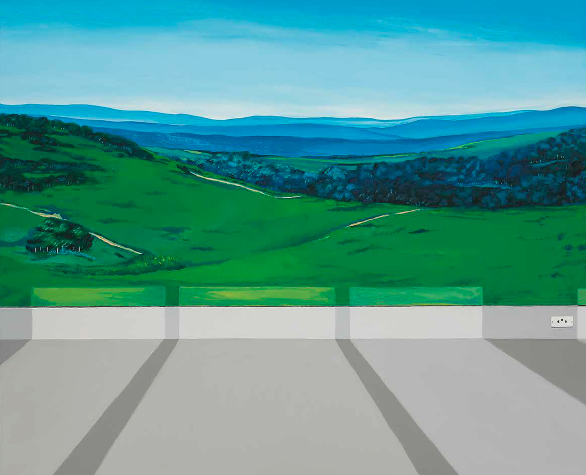
Image
1974
Industrial paint on wood
61,5 x 75,5 cm
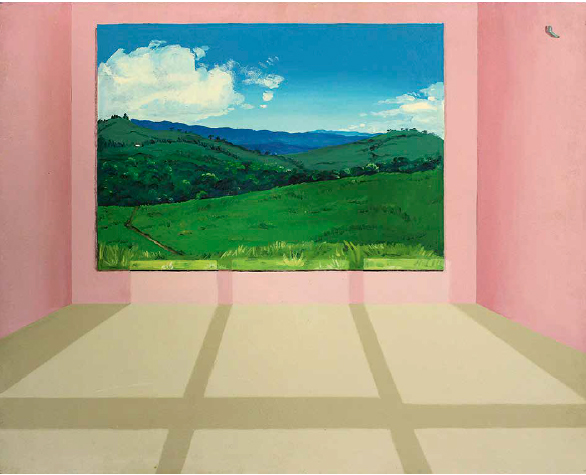
Image
1974
Industrial paint on wood
137 x 125,5 cm
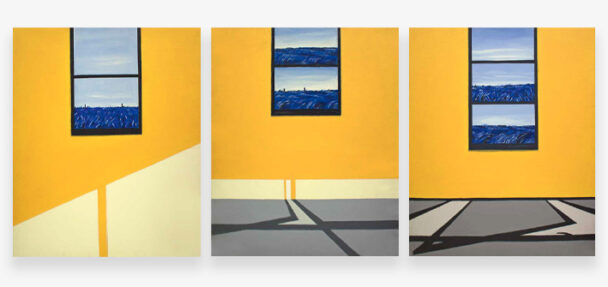
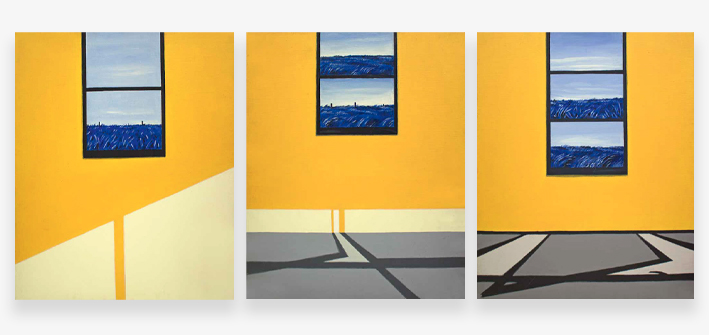
Image 1, 2, 3
1975
Acrylic on canvas
73 x 60 cm
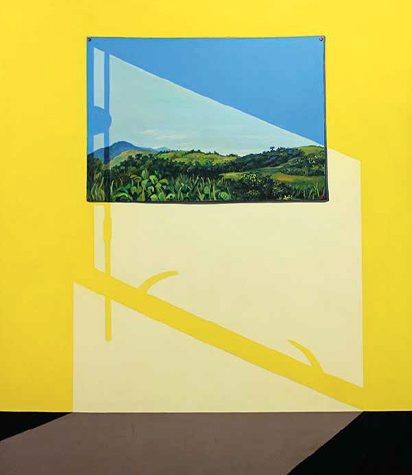
Image
1975
Acrylic on canvas
146 x 102 cm
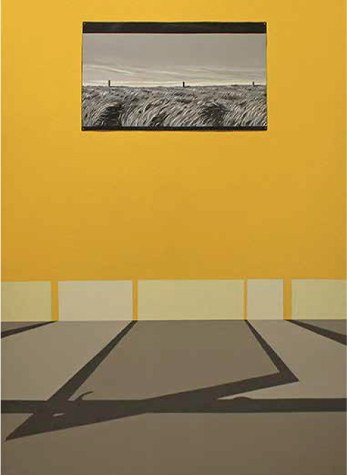
Image
1975
Acrylic on canvas
146 x 102 cm
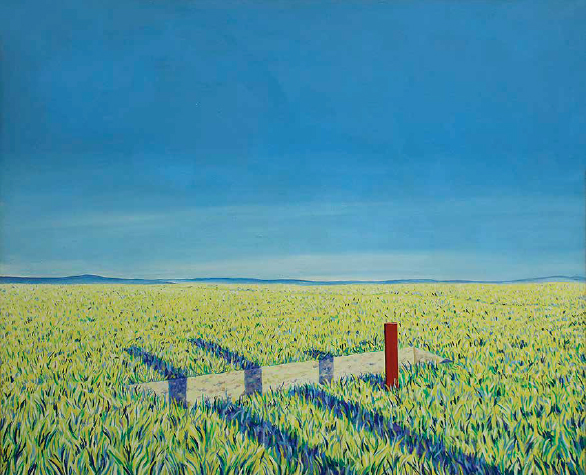
Image
1975
Acrylic on canvas
84 x 100 cm