

 Português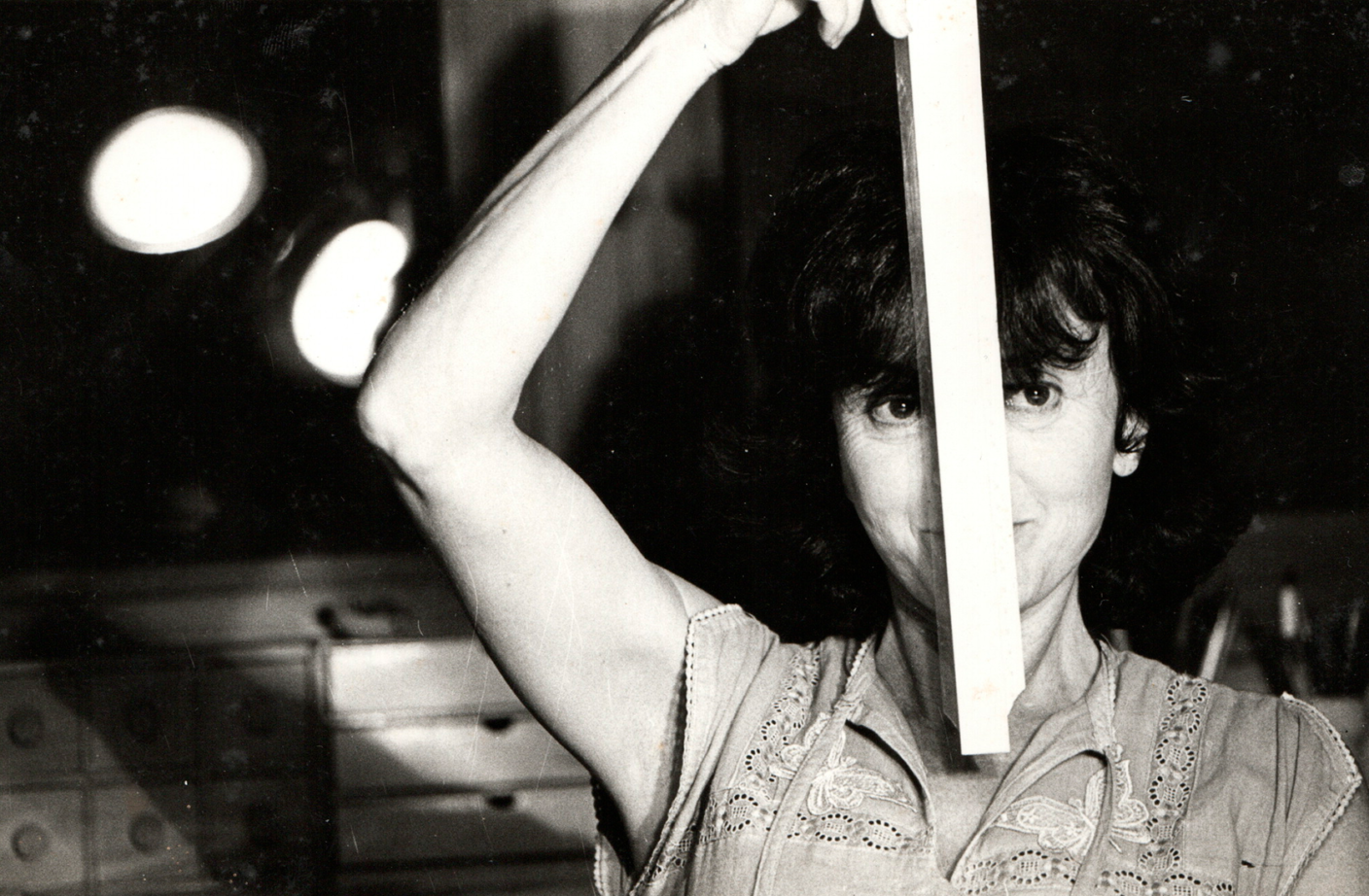
Born in Vienna in 1930, Gerty Saruê fled the Nazi regime at the age of nine, going to live in Bolivia. In 1954, she moved to São Paulo with her children and husband, rediscovering the big city she had left when she was little. Gerty follows the metropolis’ unbridled growth as an eyewitness passionate about the machines of the world: gears that make the body breathe. The urban context, mass culture and industrial society will play a fundamental role in his artistic work since the beginning.
Although her production began only on Brazilian soil, she already showed an interest in the visual arts in Bolivia where she lacked opportunities to study the subject. In Brazil, Gerty took short-term courses in aesthetics and art history with Anatol Rosenfeld, and will also study painting with Yolanda Mohalyi and Henrique Boese. In 1964 held her first exhibition wheres he presented gouaches at Galeria Convívio, in São Paulo. In addition to the practice of drawing, she began to research and develop assemblages and monotypes.
Gerty would participated in salons and biennials, such as the IX Bienal de São Paulo, in 1967, and the following one, in 1969. The 1970s marked the consolidation of her career, with one of her exhibitions having a presentation text written by Mario Schenberg. In addition, she started numerous partnerships with the artist Antonio Lizárraga, while he was responsible for graphic projects for important books, Gerty illustrated them. One of them was Panaroma from Finnegans Wake, by Augusto and Haroldo de Campos. Regarding Gerty’s work, Haroldo had written: “It is not about illustrations, but a real attempt at intersemiotic translation.”Her partnership with Lizárraga took place once again in 1973, with the making of Metrópole, exhibited at the XII Bienal de São Paulo. Two years later, Gerty Saruê participated for the first time in Panorama da Arte Atual Brasileira, at MAM São Paulo, presenting an installation.
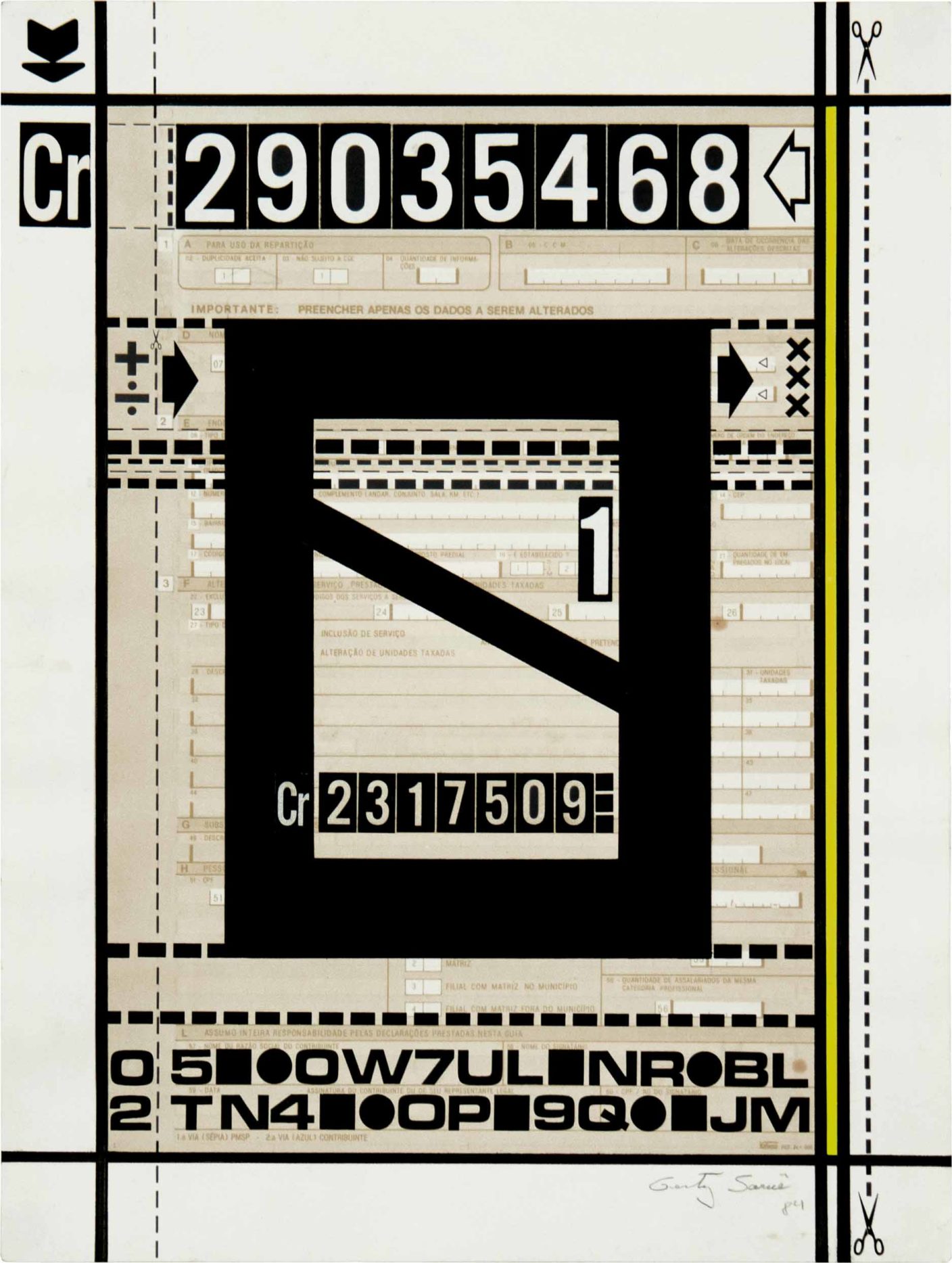
Until the end of the 1990s, Gerty’s production was frequently based on the use of analog photography, electrostatic copies, offset printing, blueprints and plotting. In the following decade, the artist began to work more intensively with computer and electronic information processing. Her work can be traced through a historiographical line of the means of image reproduction: graphic thinking in articulation with technical reproducibility and the concomitant progress of industrial activity.
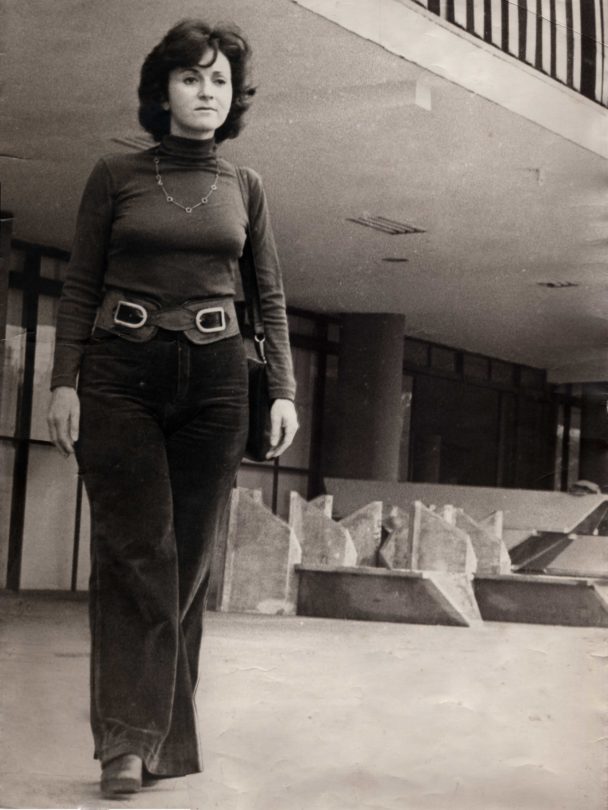
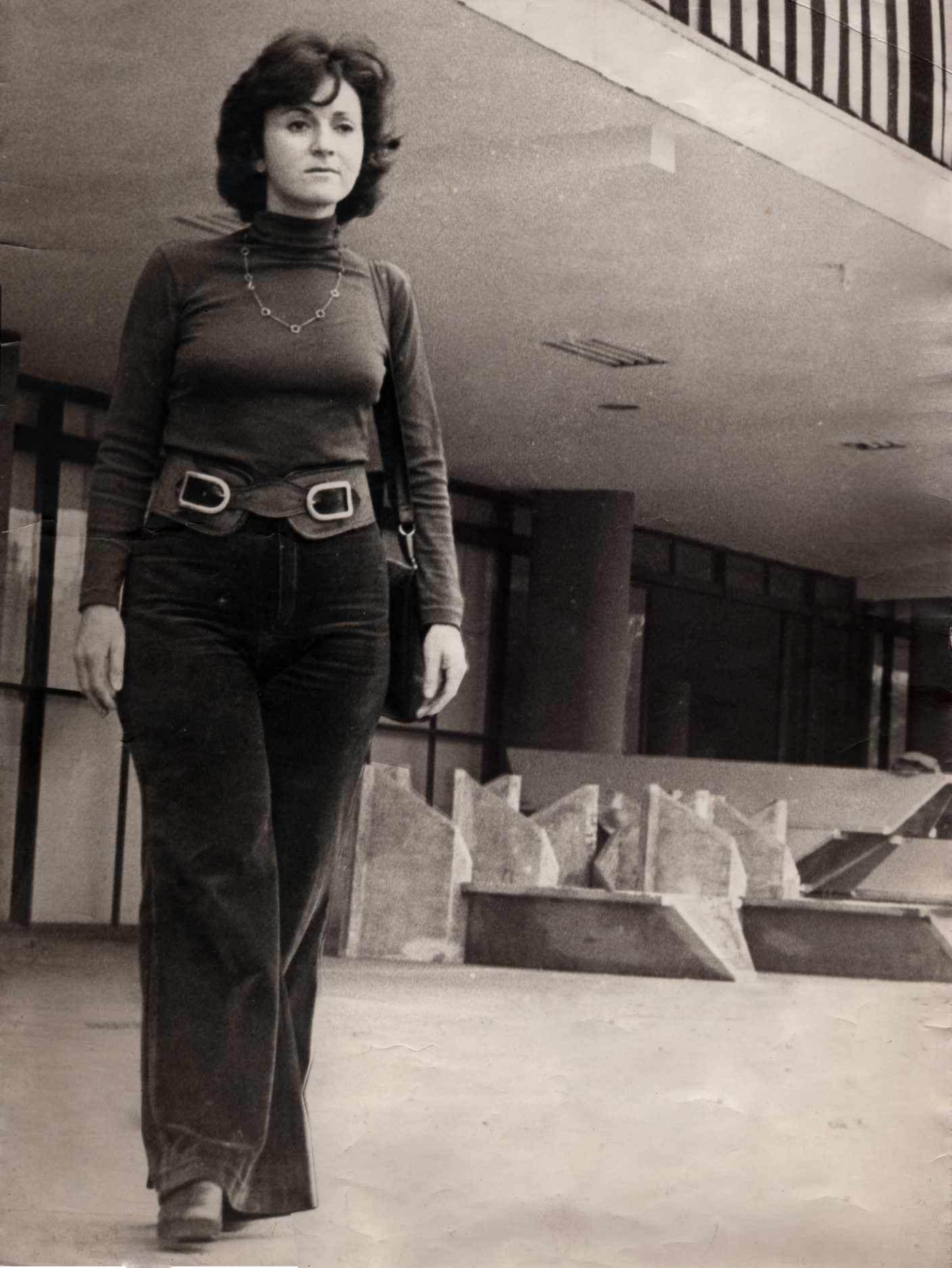
Gerty Saruê at the 12th São Paulo Biennial, 1973
Within the emerging group of artists from São Paulo-Megalópolis, Gerty occupies a prominent position, for her ability to feel universal problems of our days and for her language disconnected from regional restrictions. Using a combination of print and design, she has managed to find a silently dramatic expression of the tremendous spiritual tension characteristic of today’s world. Its mechanical shapes and typography letters become effective symbols of anguish and search.
—
Fragment of the text written by Mário Schenberg on the occasion of the exhibition Gerty Saruê, at Piccola Galleria, 1970
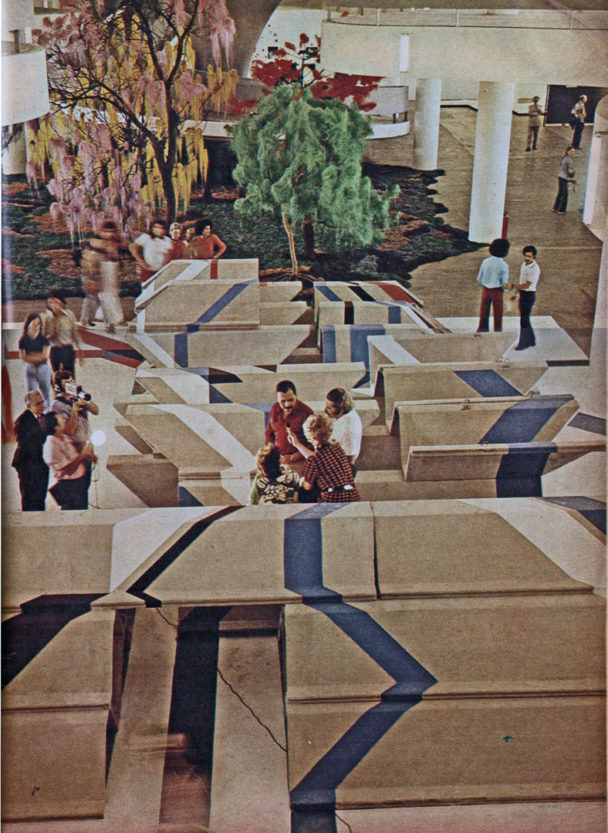
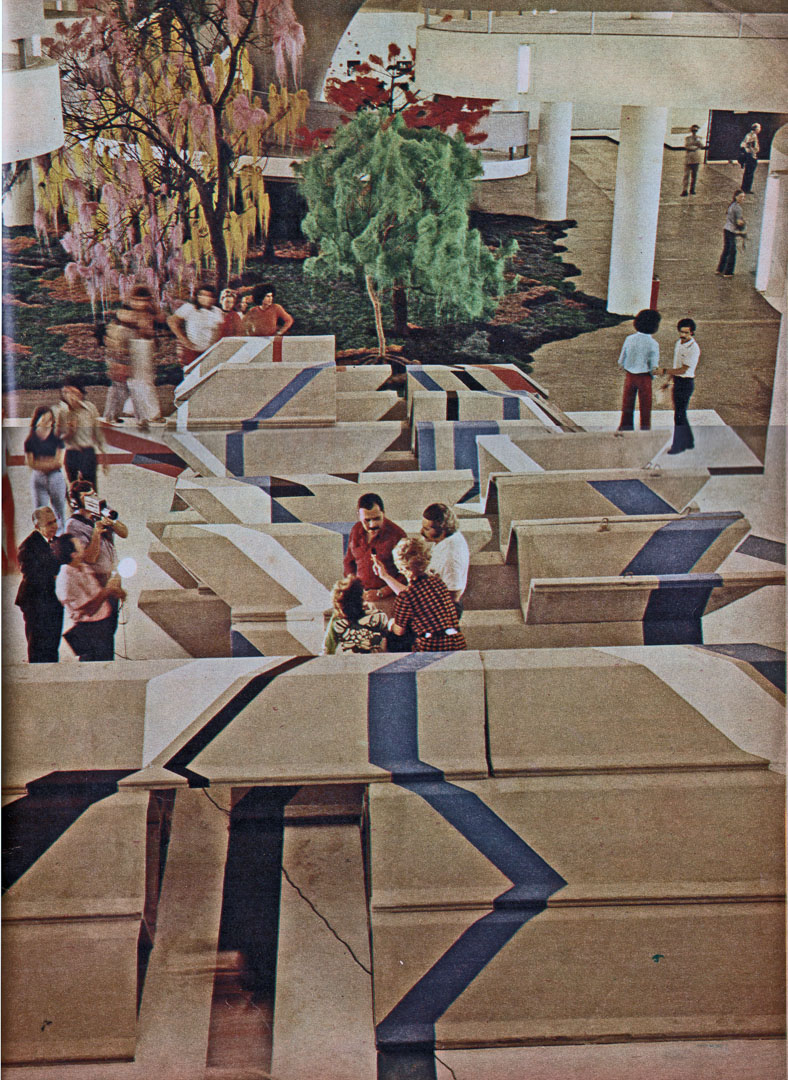
Metrópole
1973
Installation made of concrete tiles for the 12th São Paulo Biennial
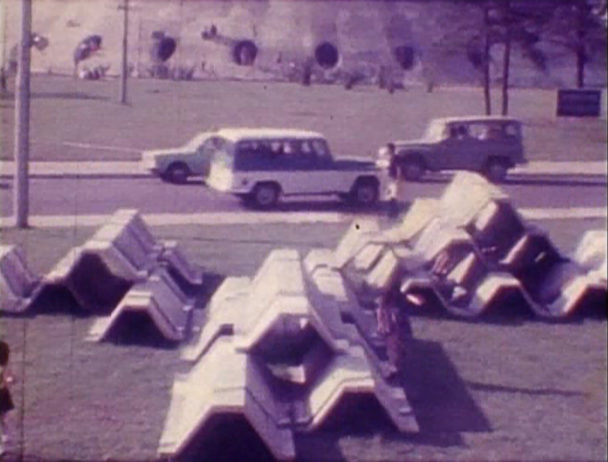
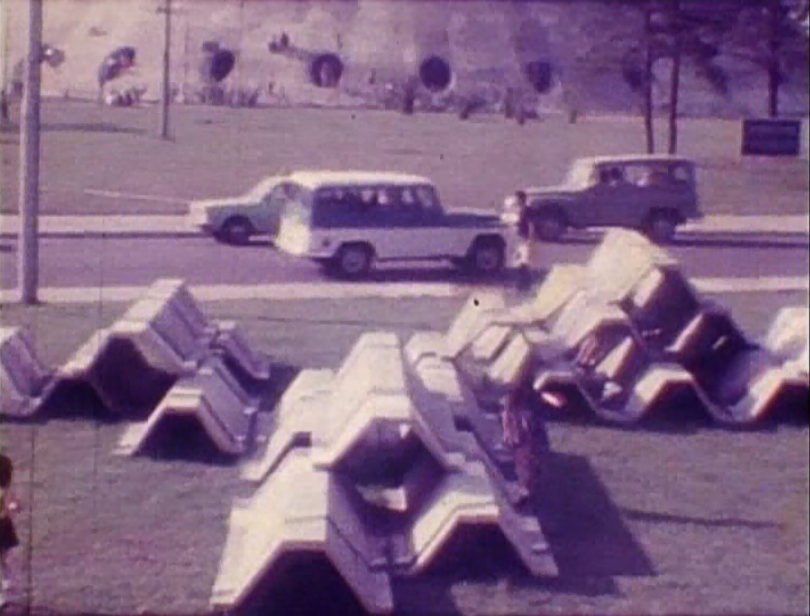
Metrópole
1973
Installation made of concrete tiles for the 12th São Paulo Biennial
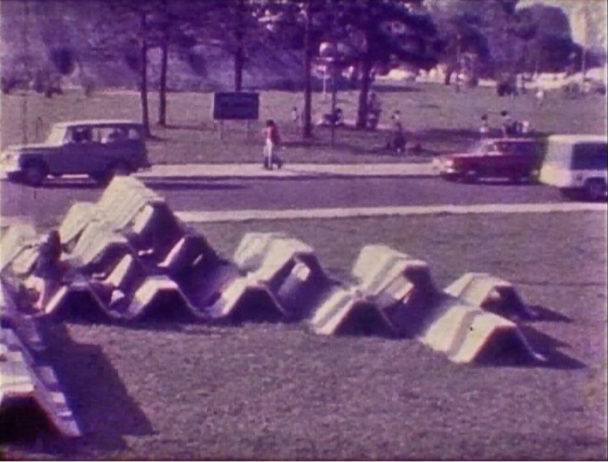
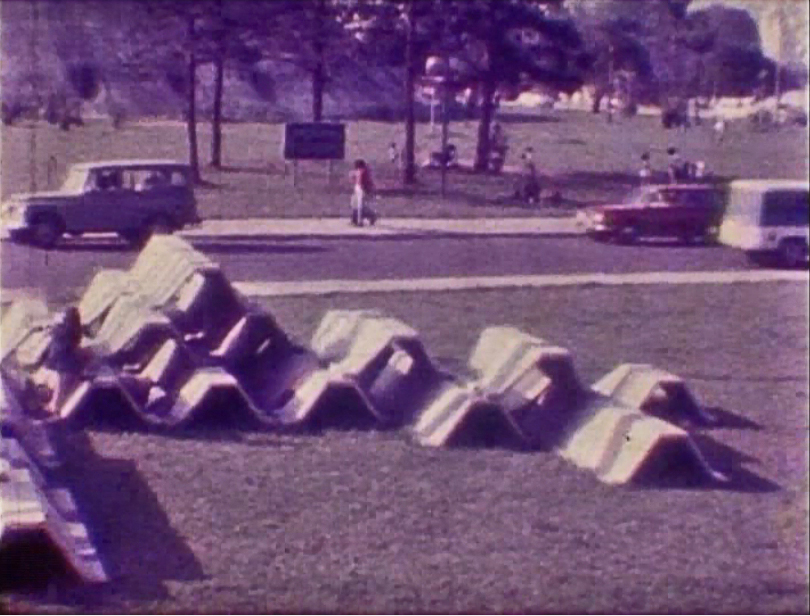
Metrópole
1973
Installation made of concrete tiles for the 12th São Paulo Biennial
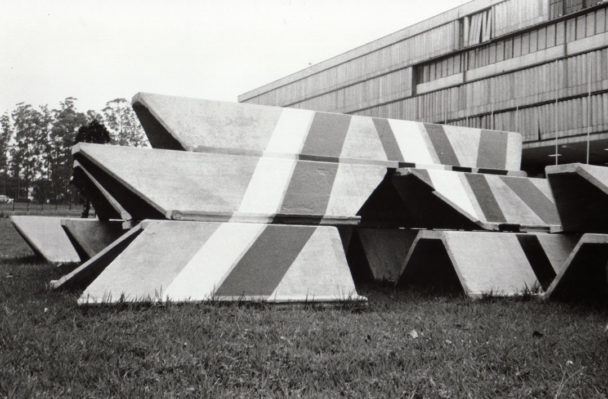
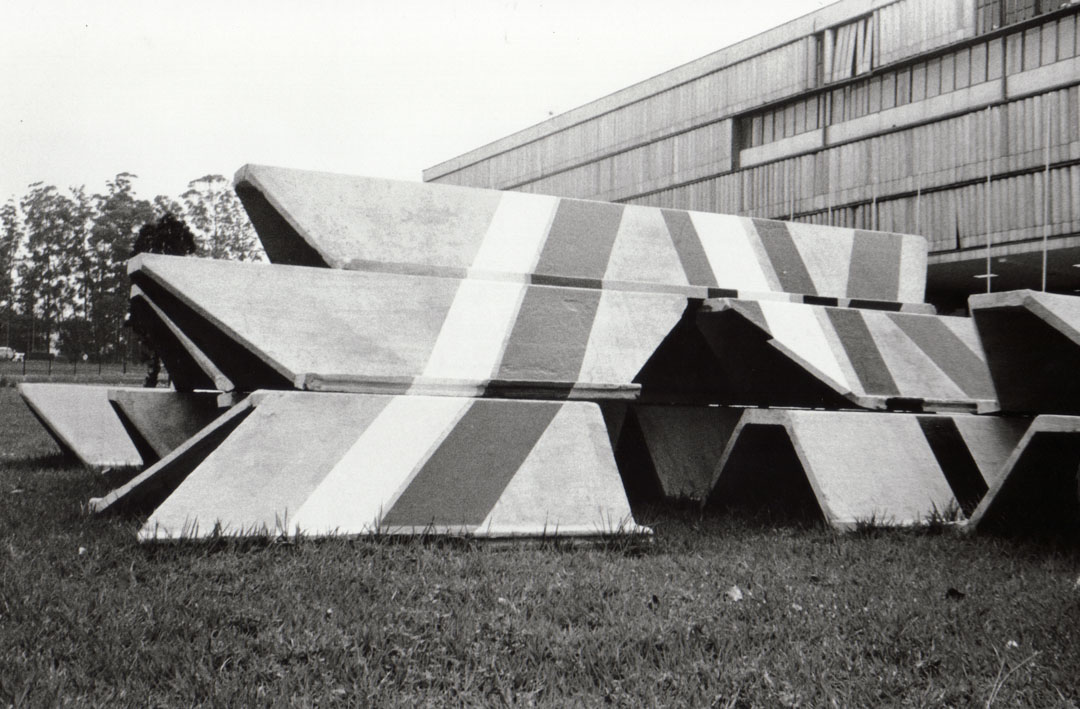
Metrópole
1973
Installation made of concrete tiles for the 12th São Paulo Biennial
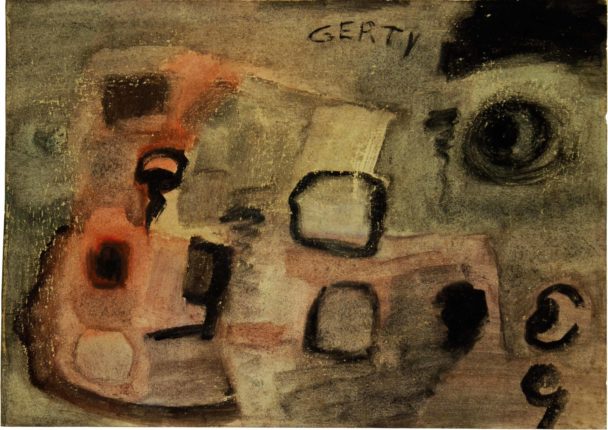
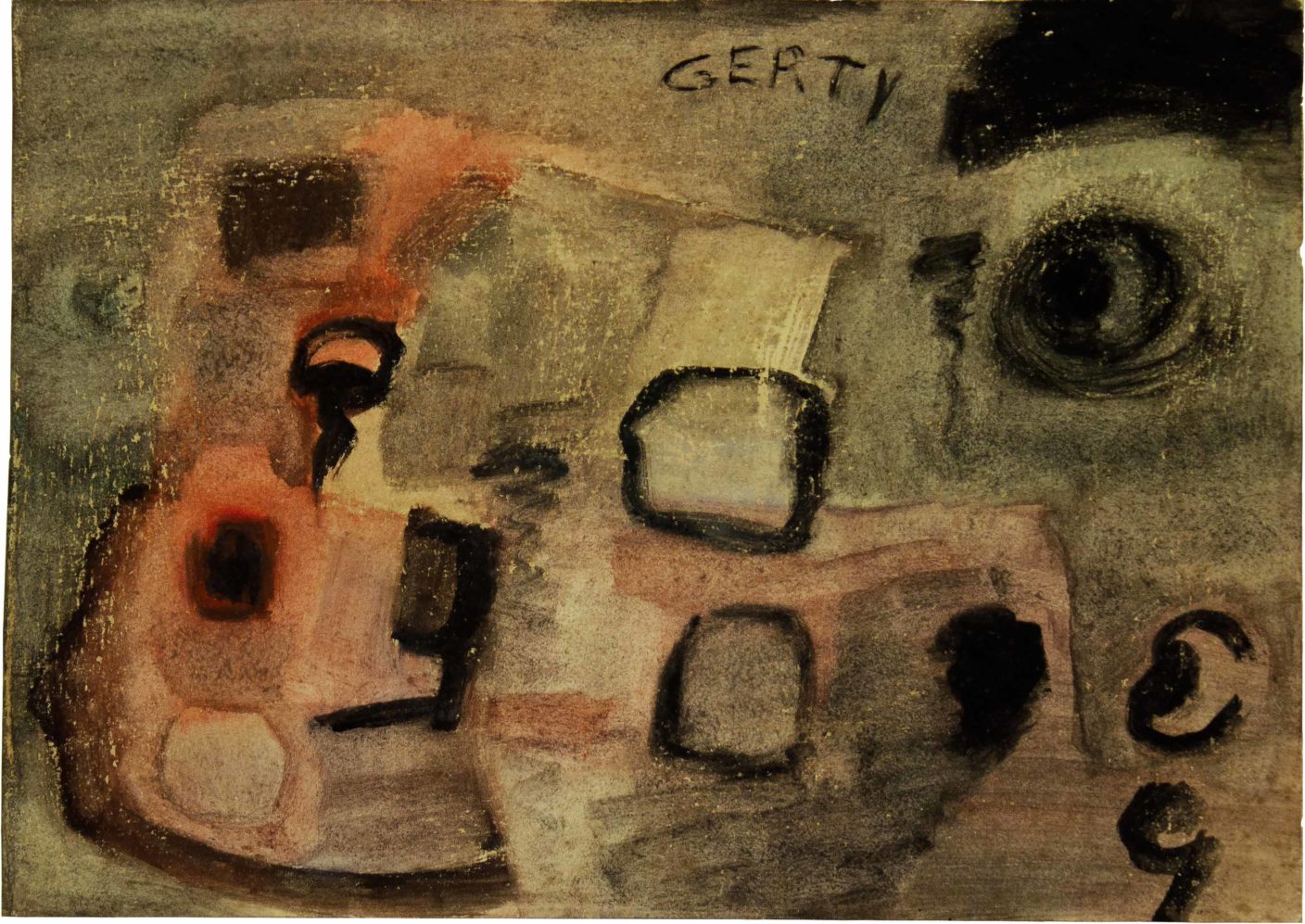
Devaneio na colina
Gouache on paper
25 × 35 cm
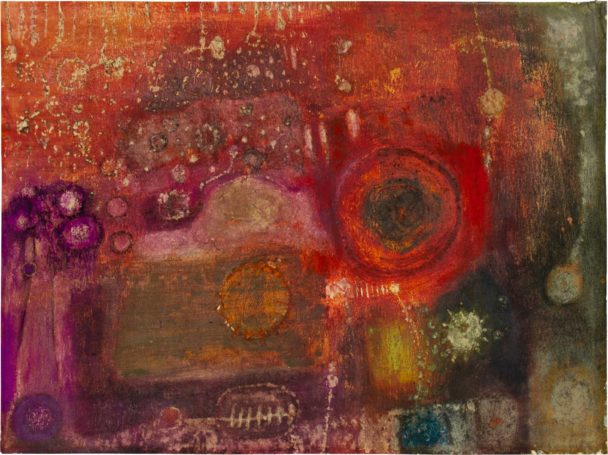
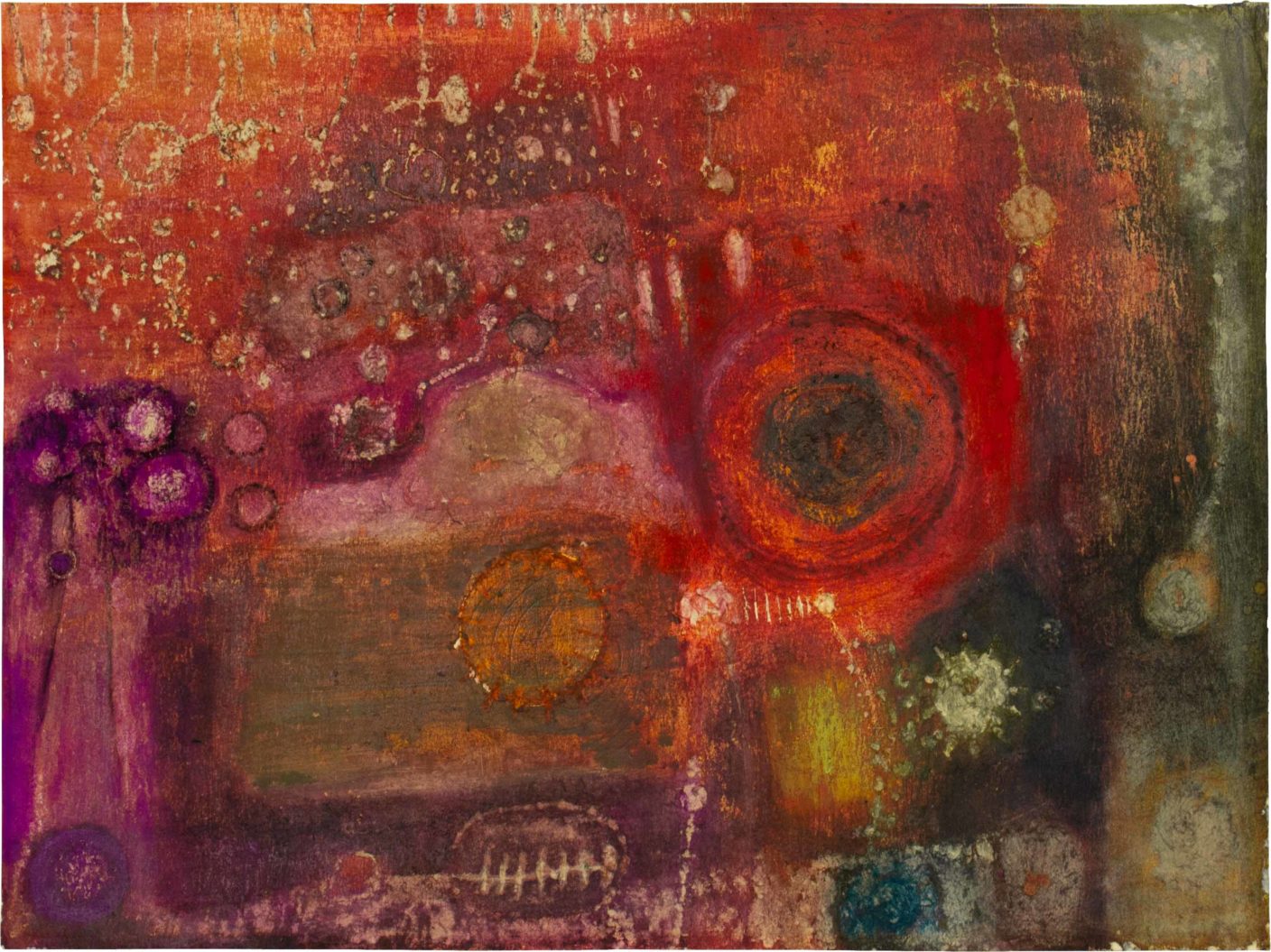
Sem título
1964
Gouache on paper
375 × 50 cm
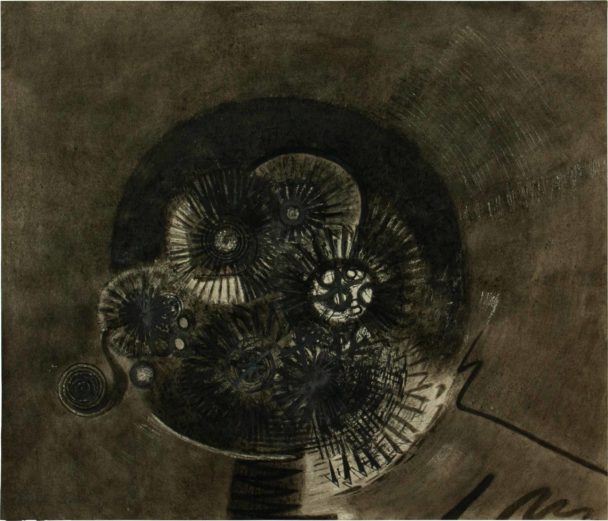
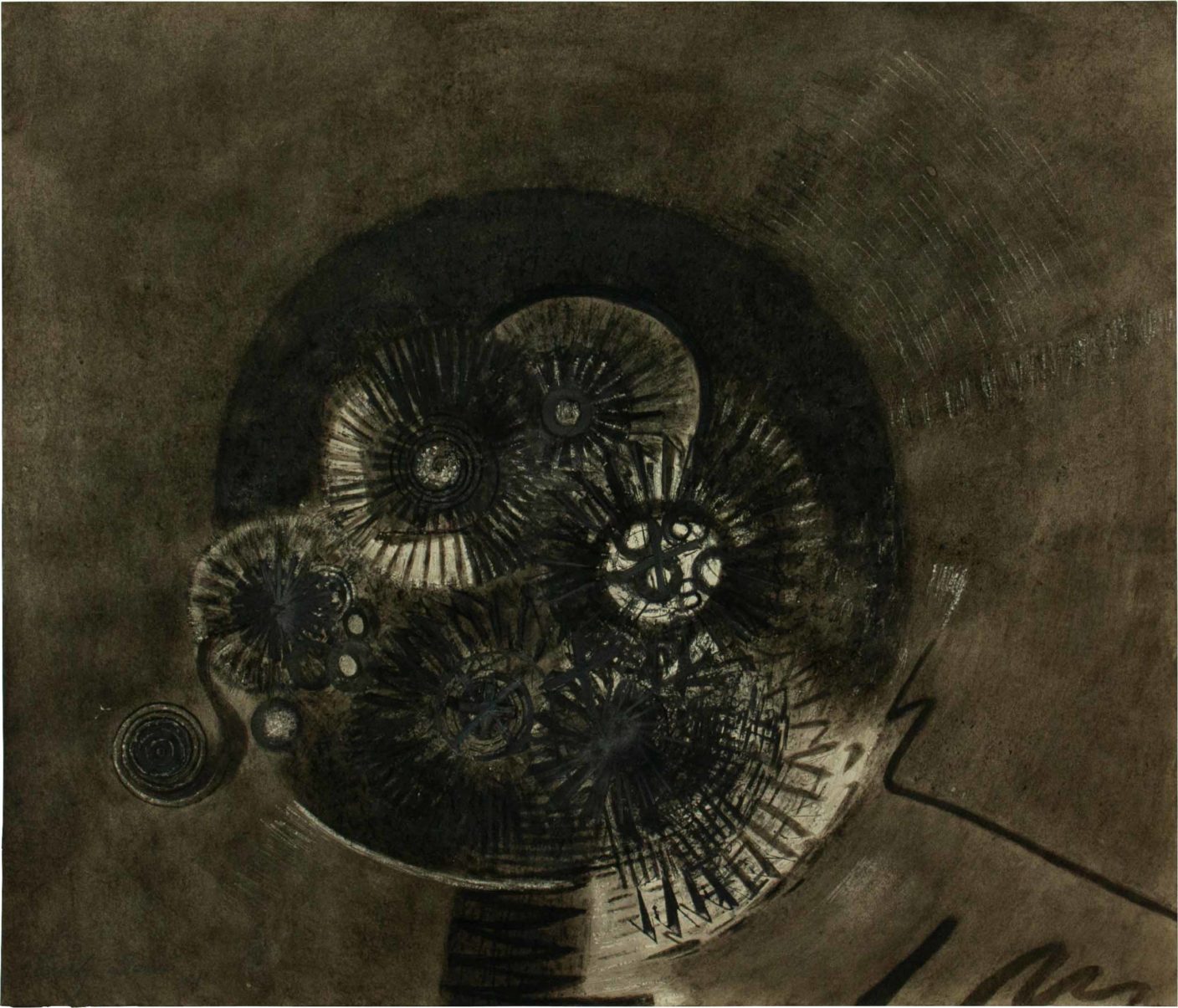
Sem título
1968
Gouache on paper
40.5 × 475 cm
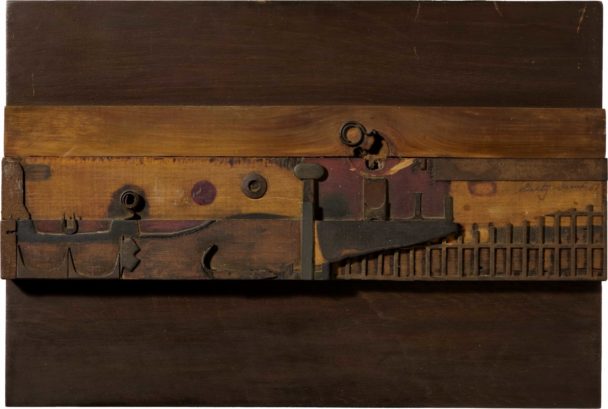
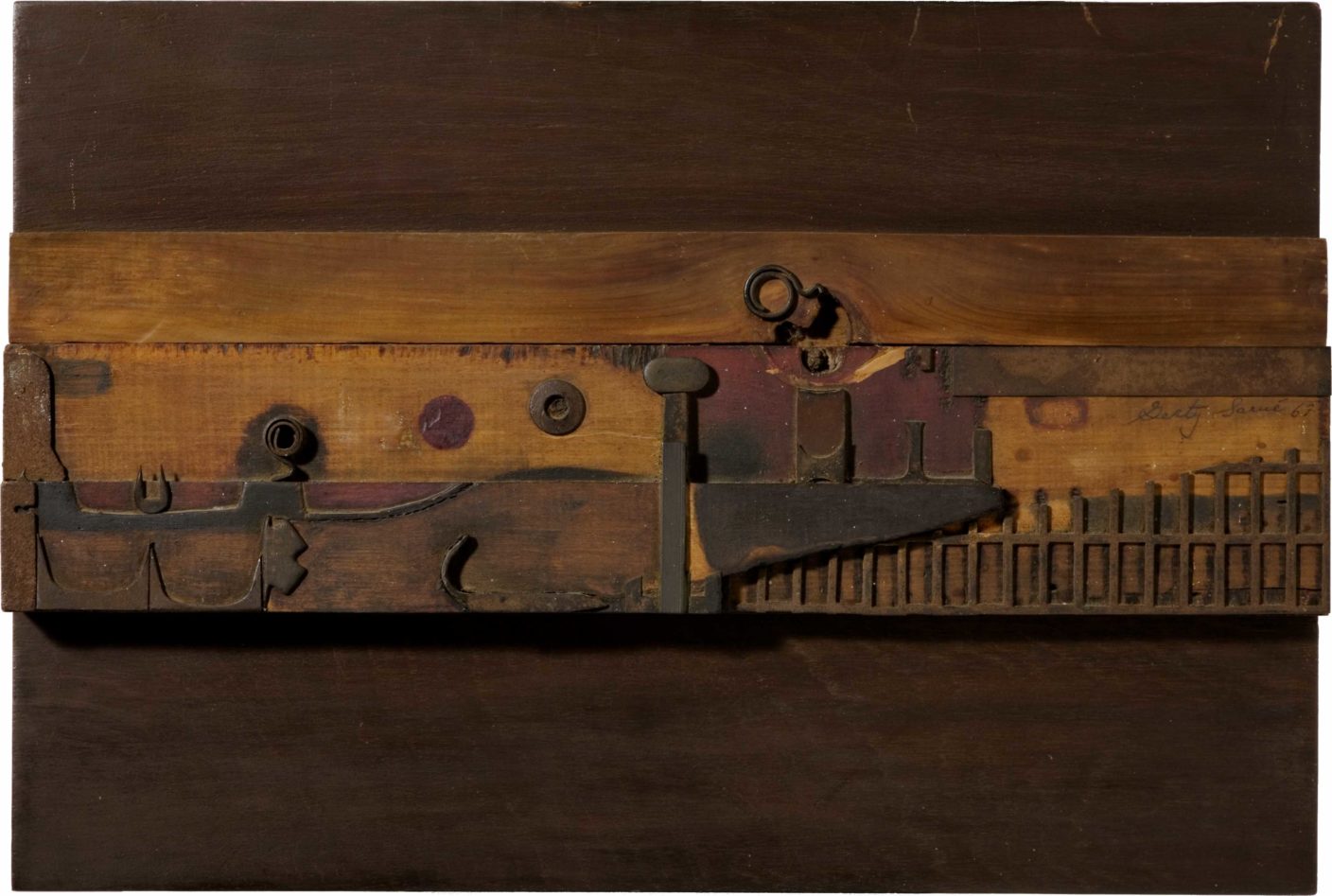
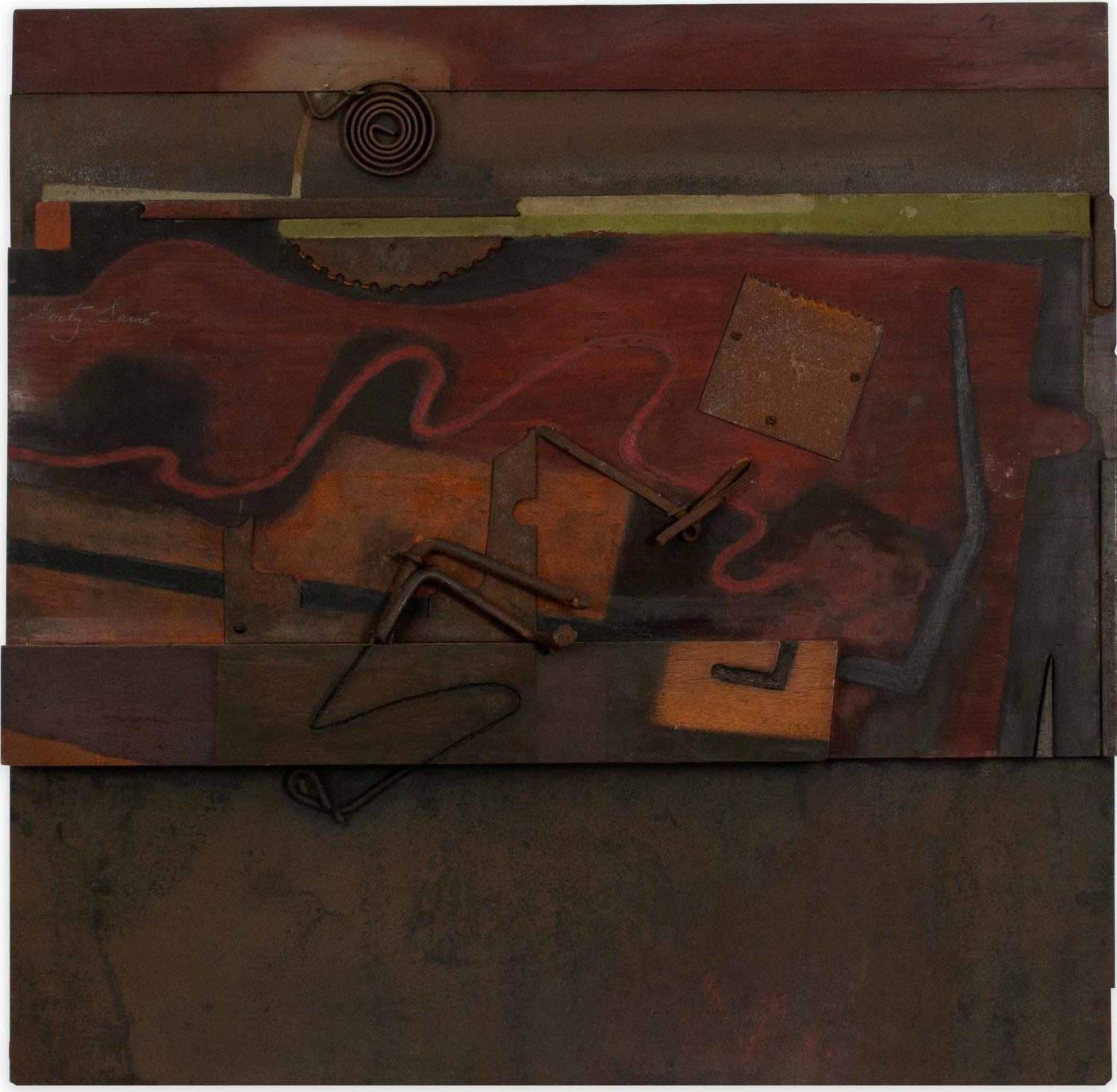
Pintuta-Montagem I
1967
Wood and steel
36.5 × 535 × 6 cm
—
Exhibitions:
9th São Paulo Biennial, 1967
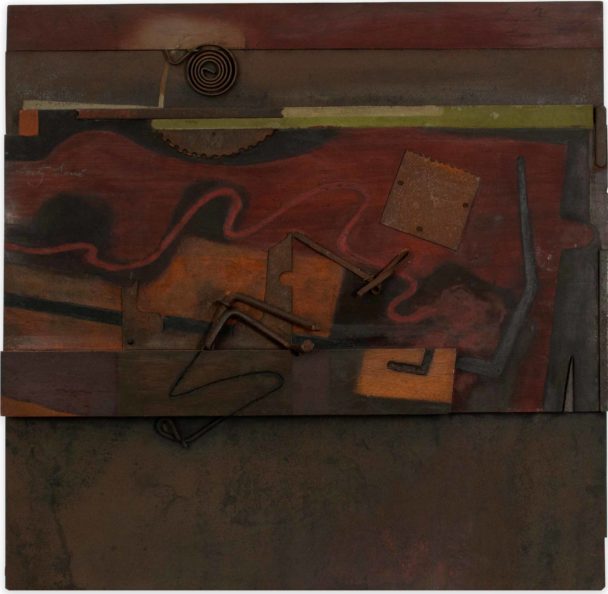
Pintura-Montagem III
1967
Wood and steel
58.5 × 585 × 6 cm
—
Exhibitions:
9th São Paulo Biennial, 1967
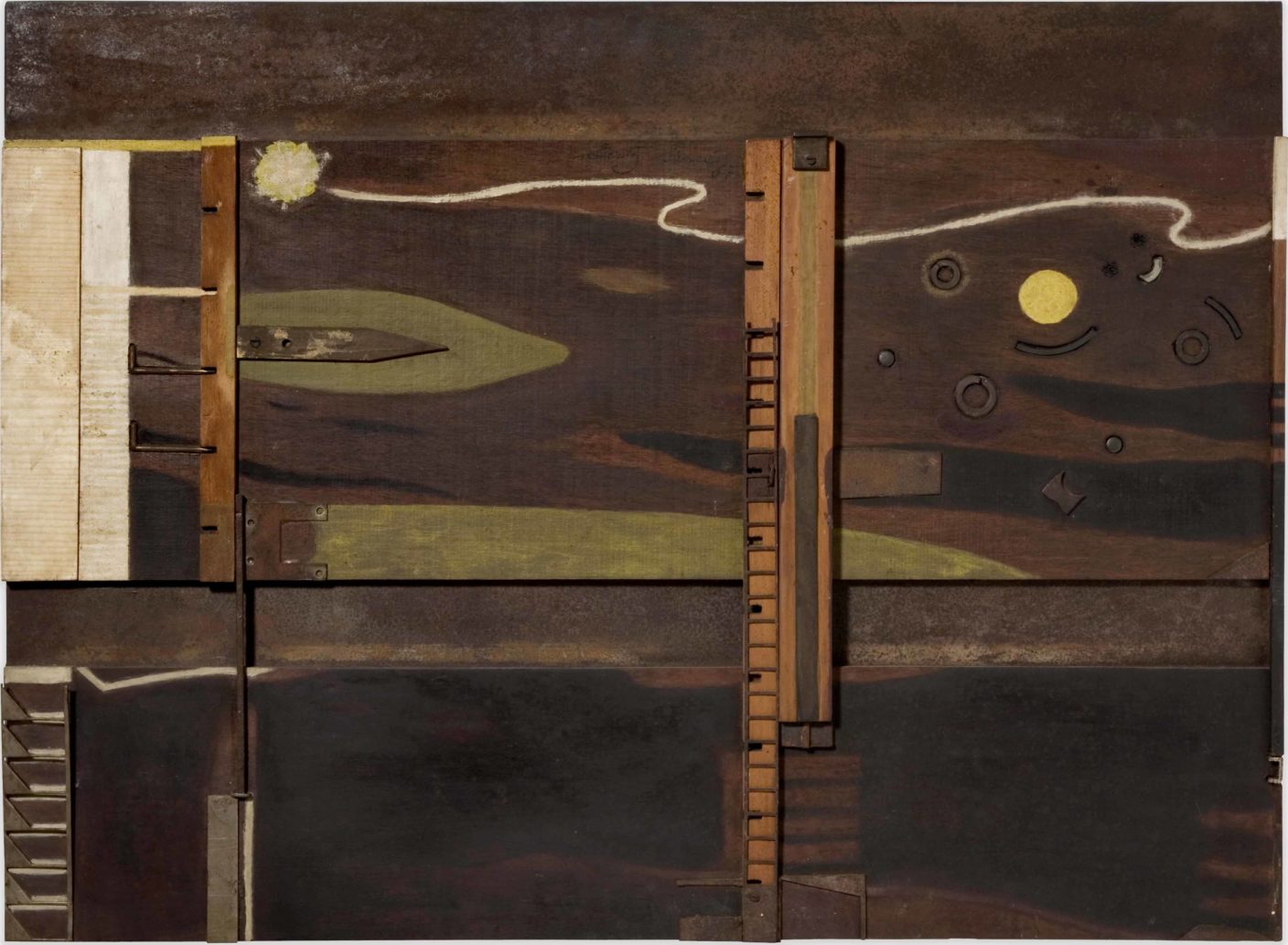
Pintura-Montagem V
1967
Wood and steel
55 × 74 × 6 cm
—
Exhibitions:
9th São Paulo Biennial, 1967
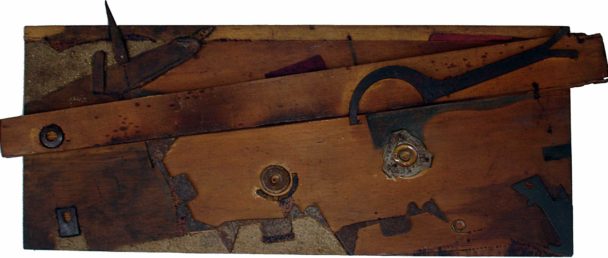
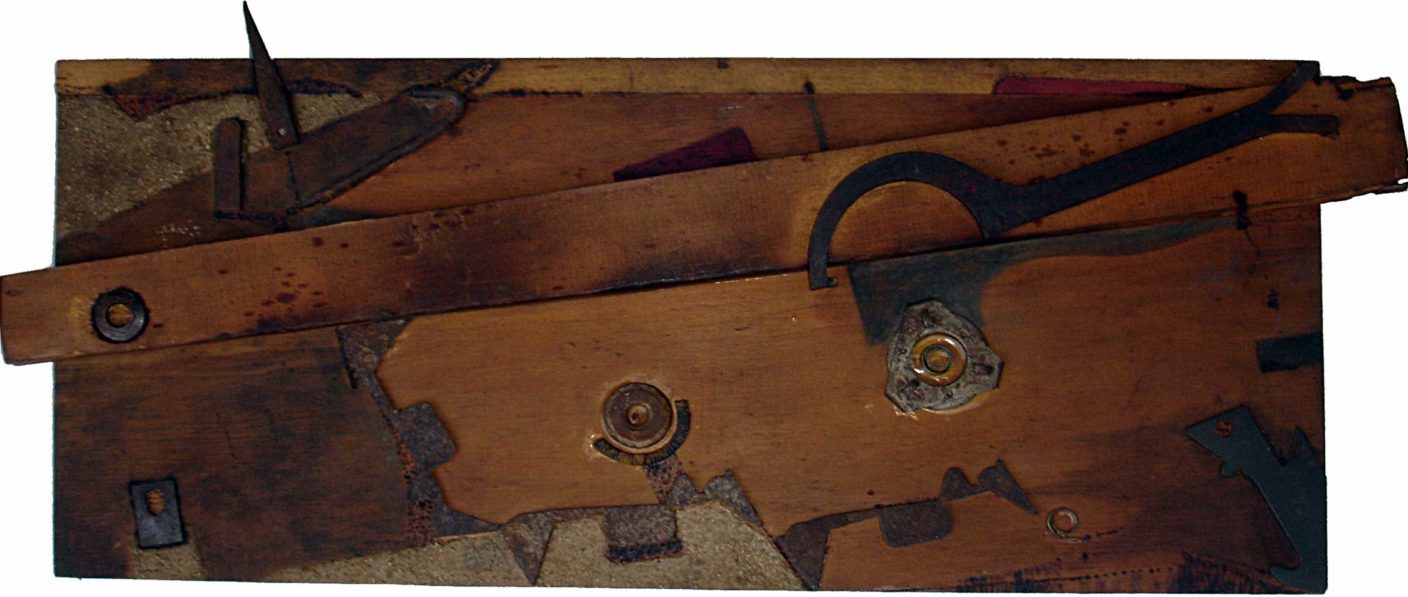
Sem título
1967
Wood and steel
33 × 815 cm


Ímã
1968
Monotype and
typographic ink on paper
72 × 50.5 cm
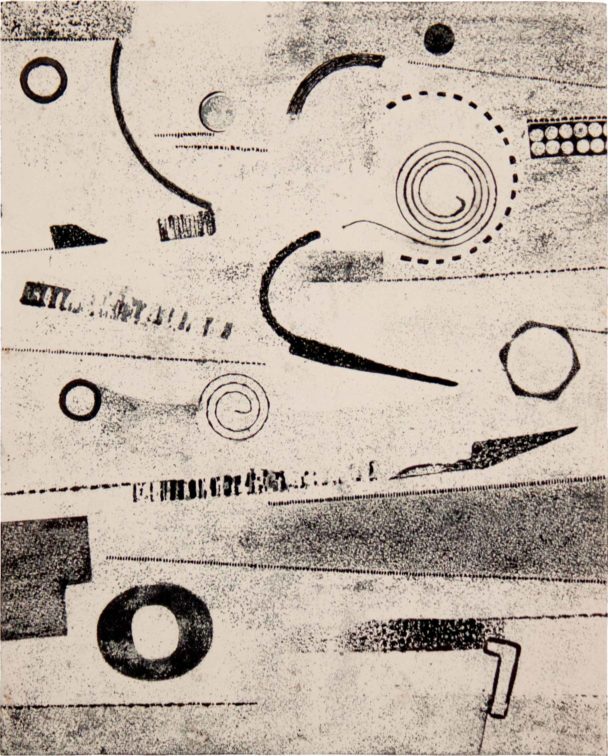
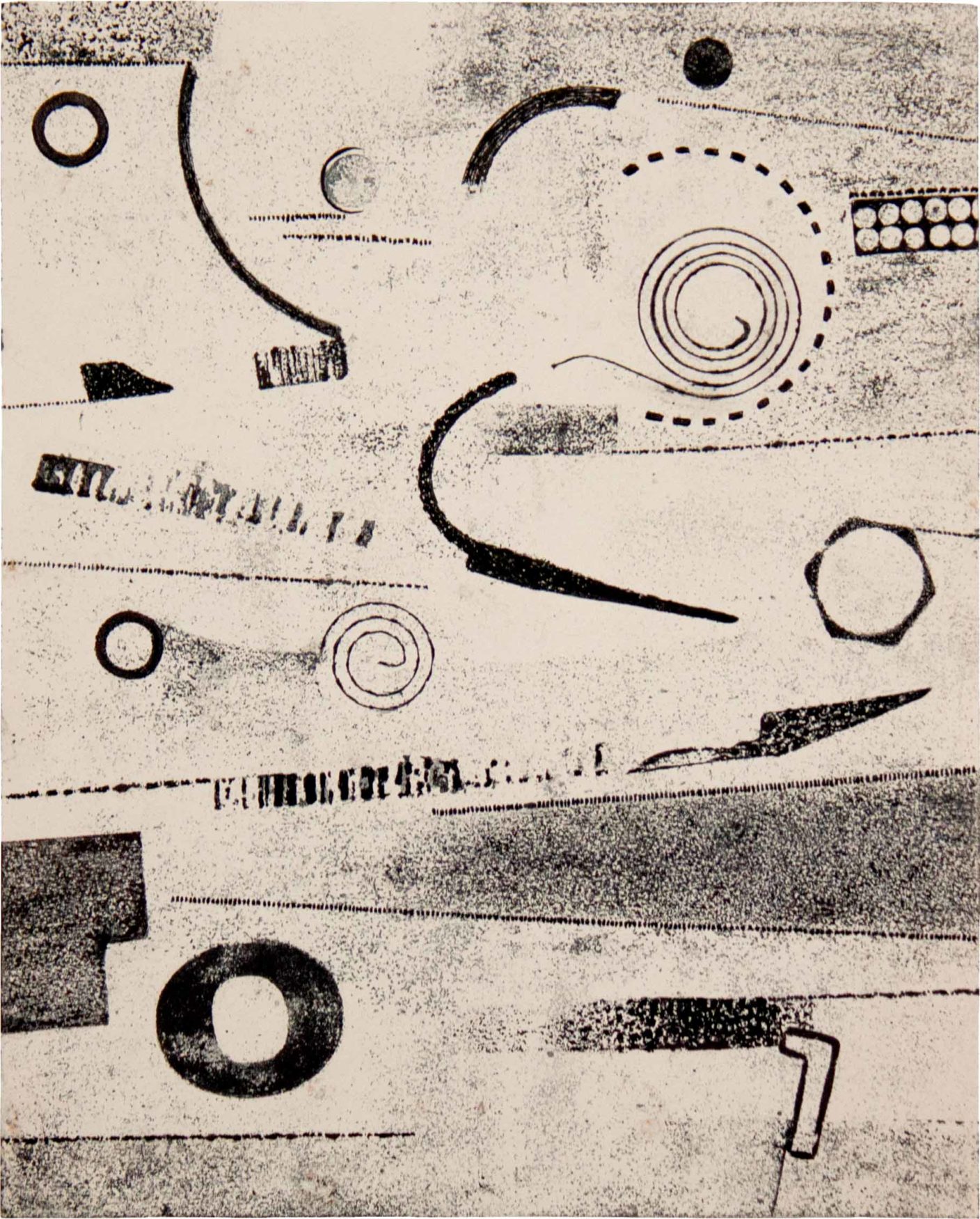
Sem título
1969
Monotype and
typographicink on paper
23 × 19 cm
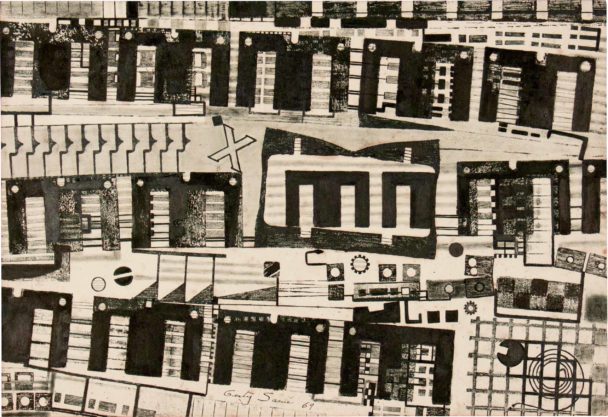
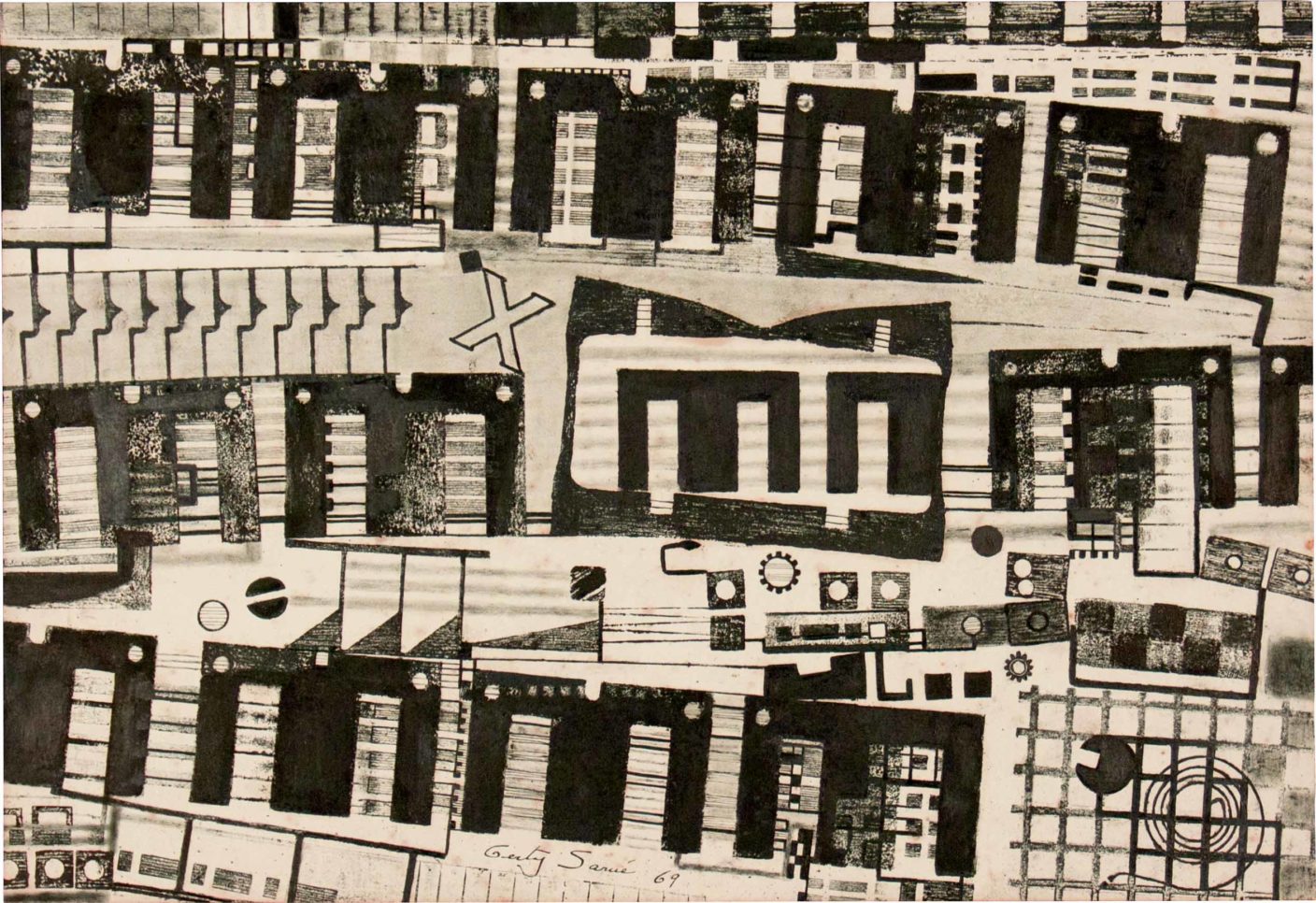
Sem título
1969
Monotype and
typographic ink on paper
33.5 × 485 cm
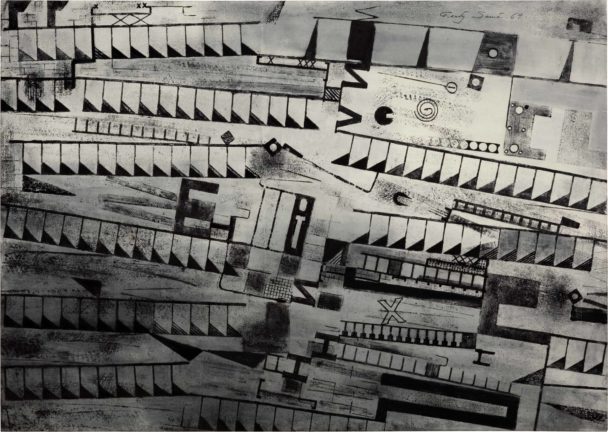
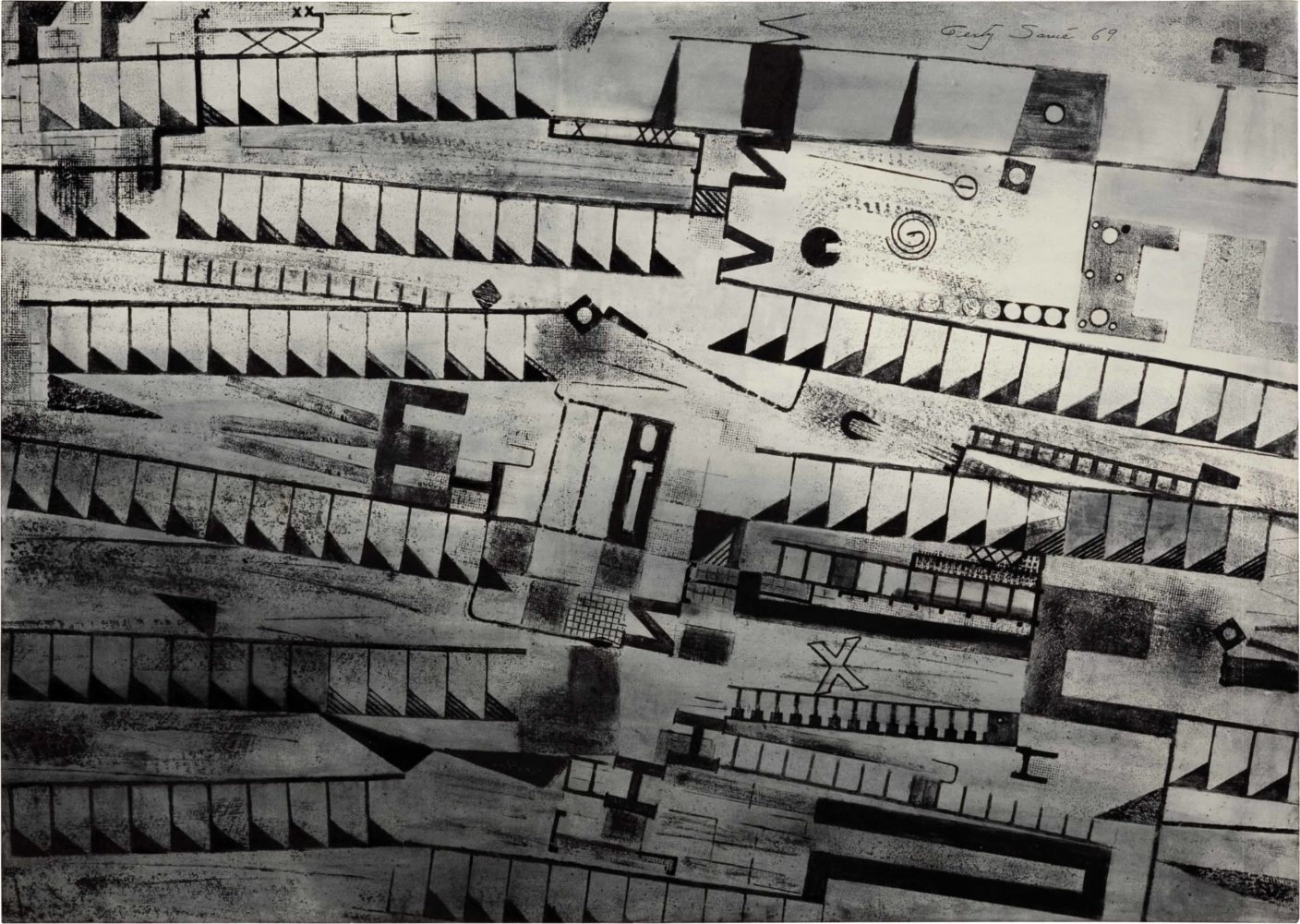
Tchecov
1969
Monotype and
typographic ink on paper50 × 70 cm
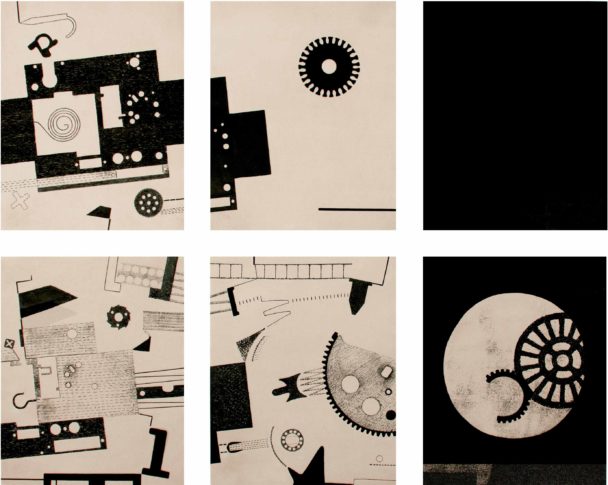
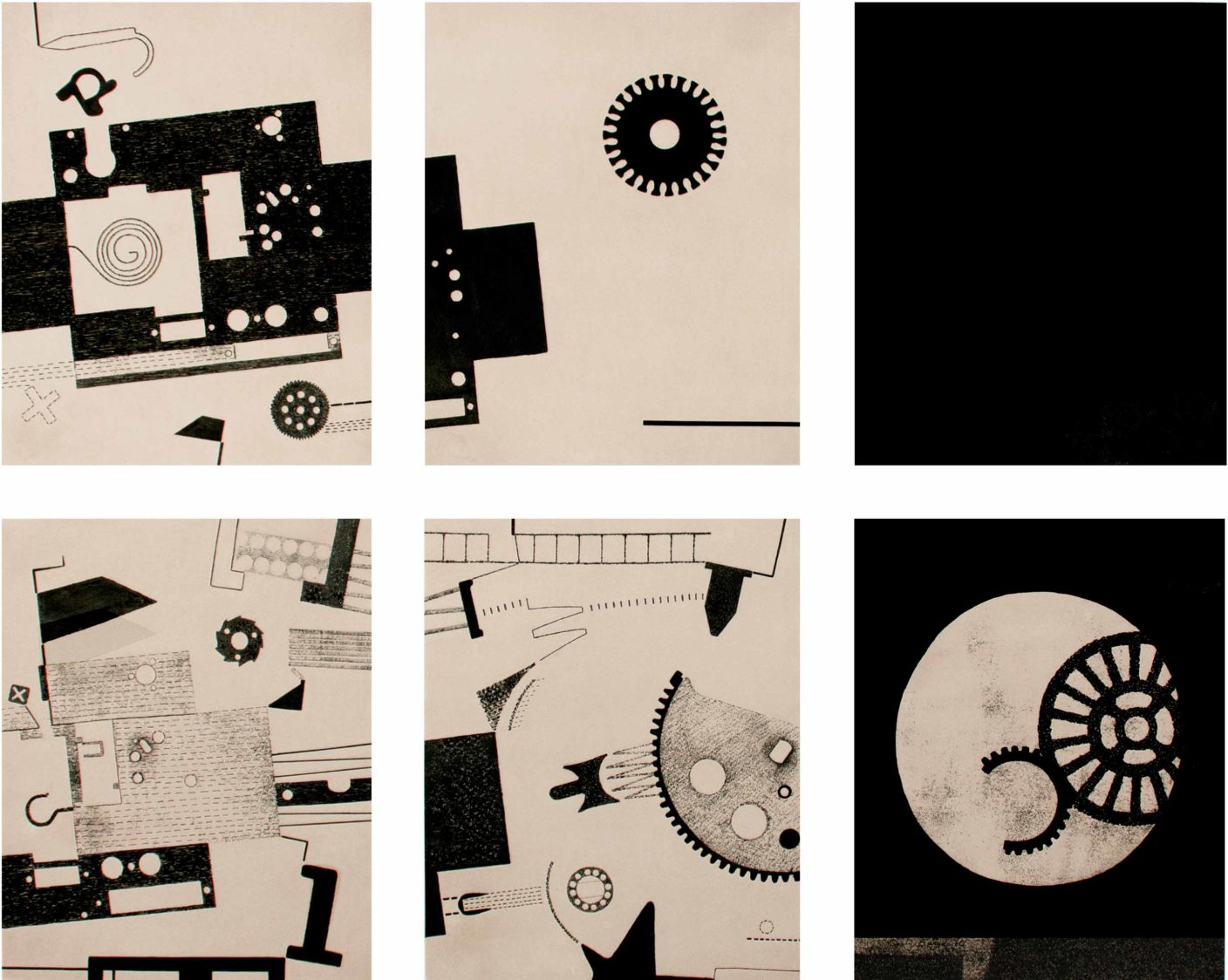
Sem título
Monotype and
typographic ink on paper
29 × 23 cm each
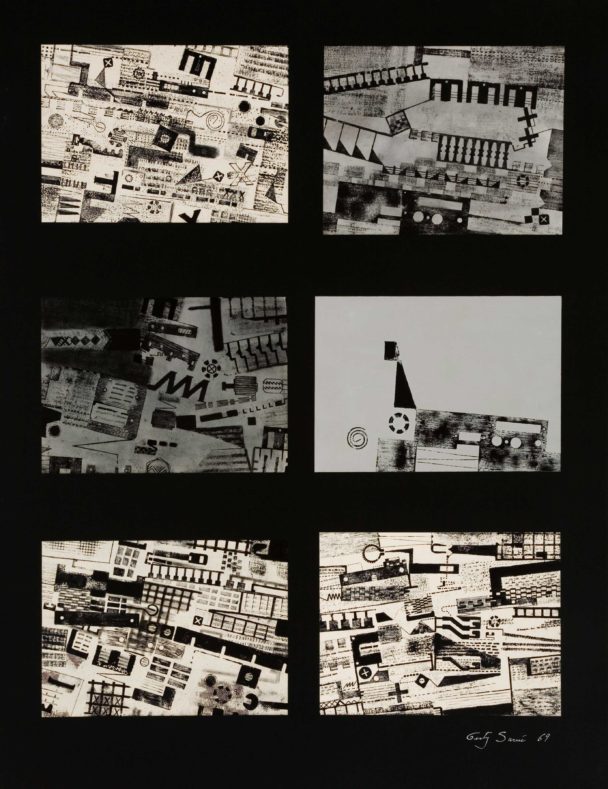
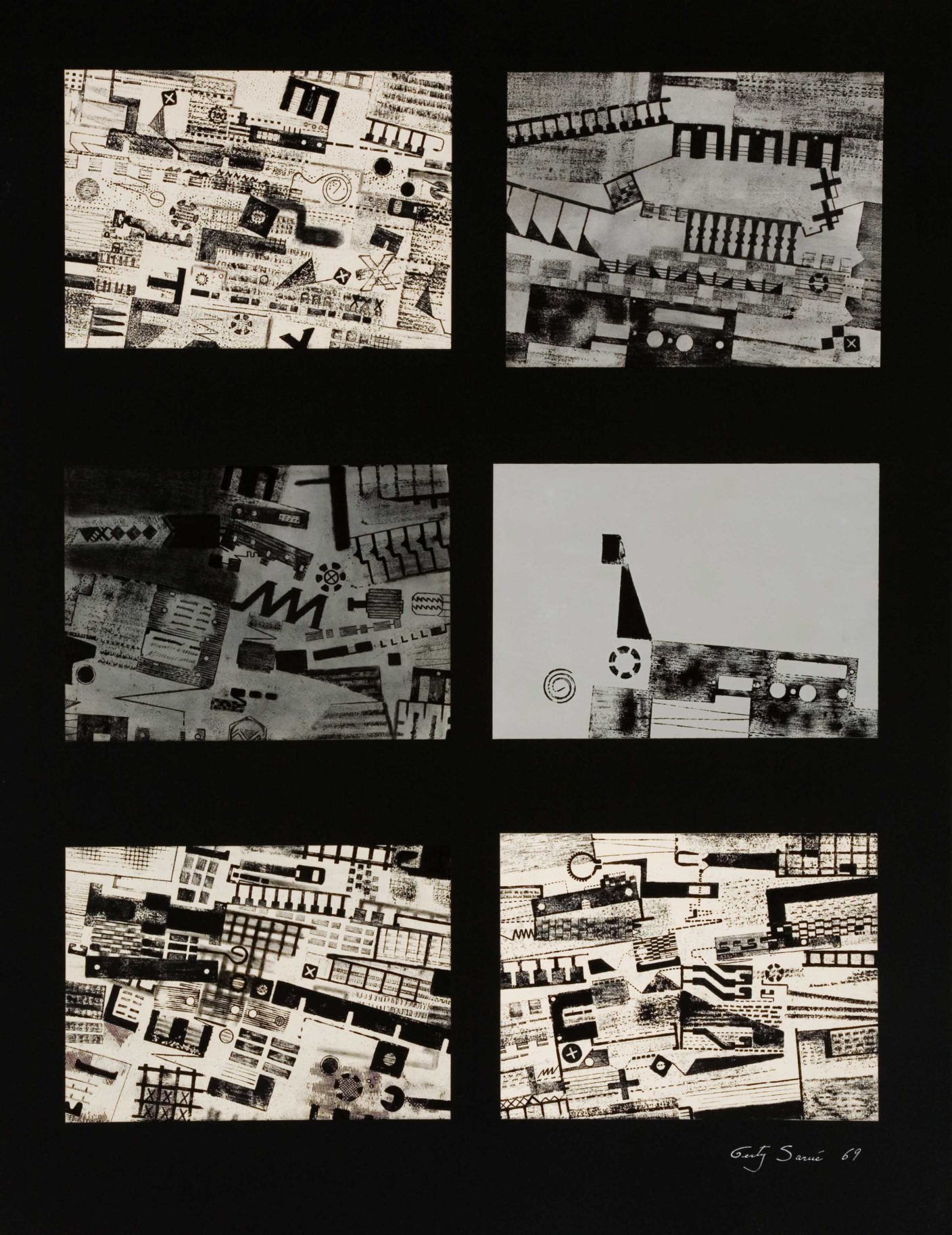
Estruturas I
Monotype and
typographic ink on paperPolyptych of 6
23 × 29 cm each
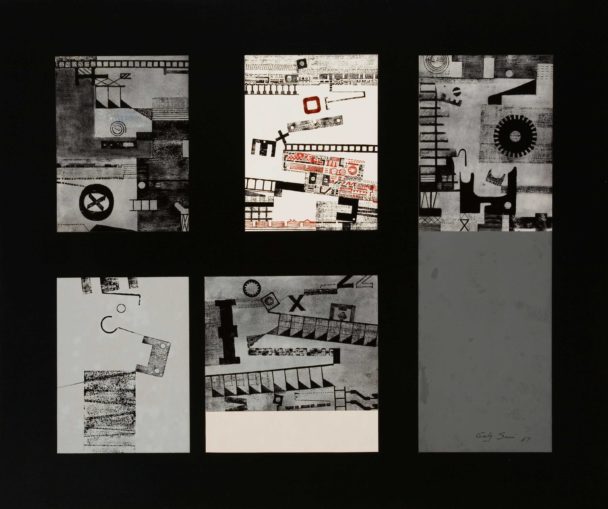
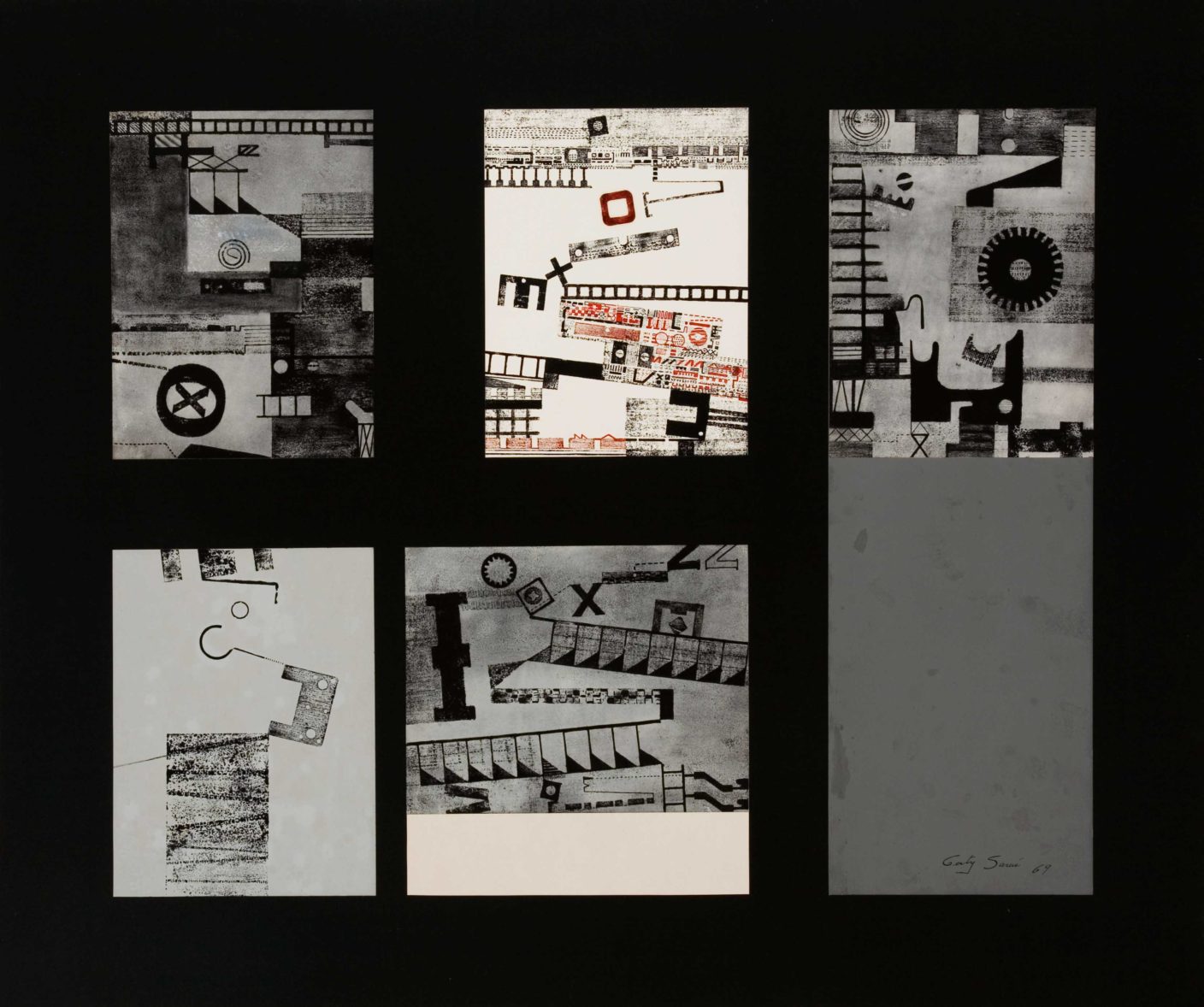
Estruturas III
Monotype and
typographic ink on paper
88 ×105 cm
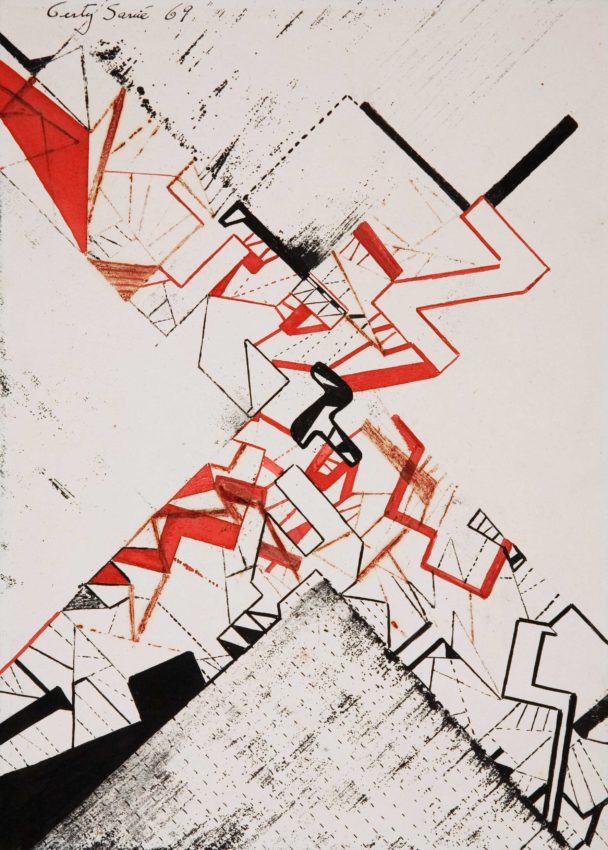
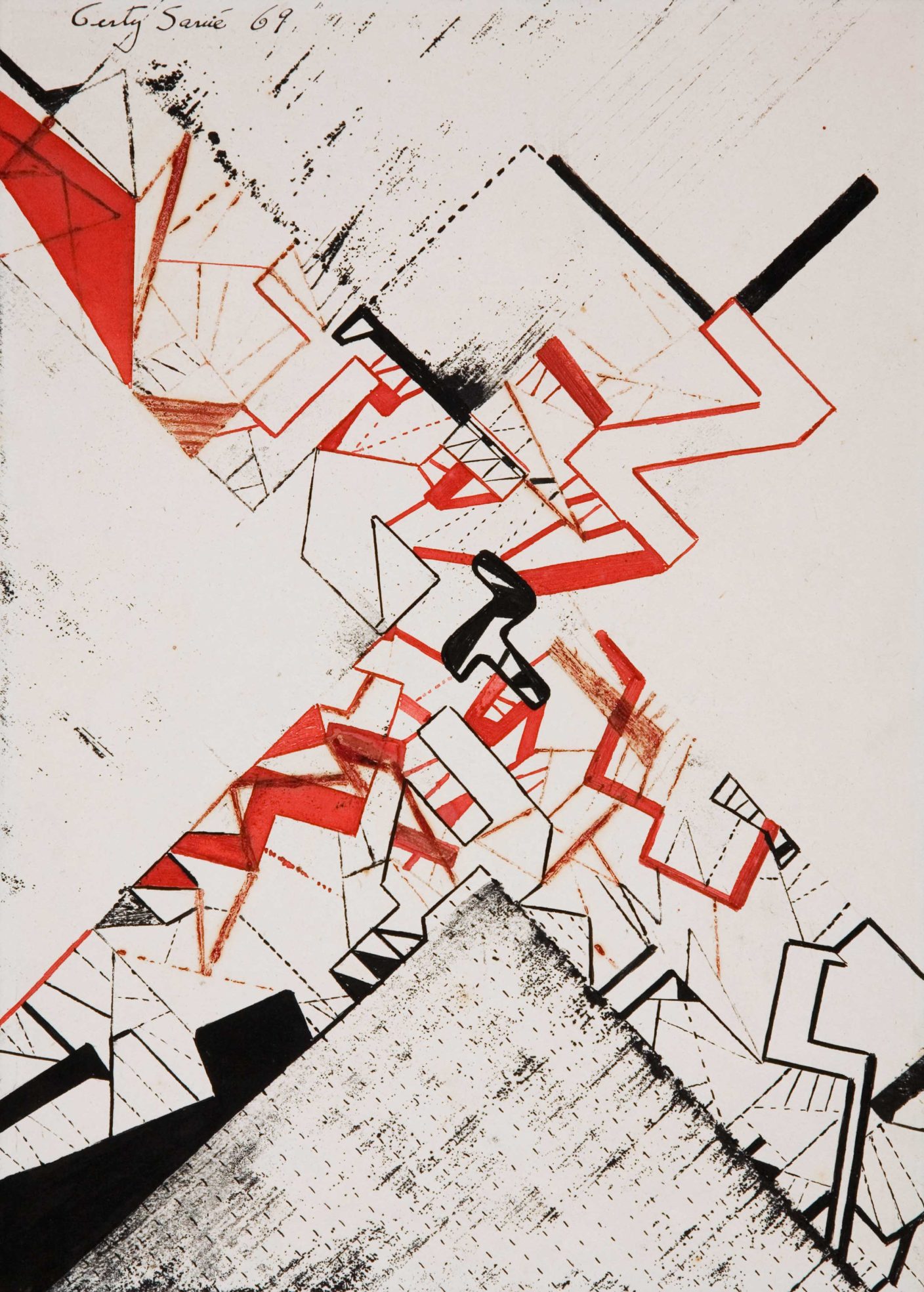
Monotipia II
1969
Monotype and
typographic ink on paper
31 × 22 cm
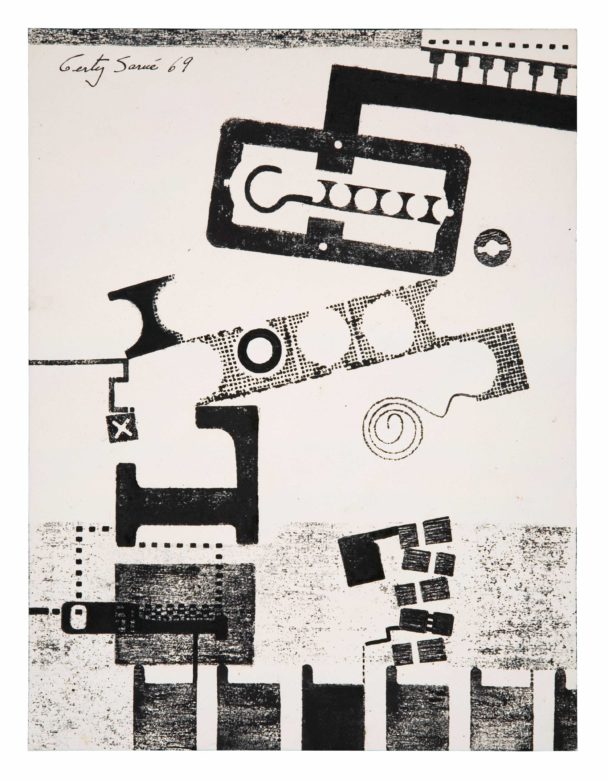
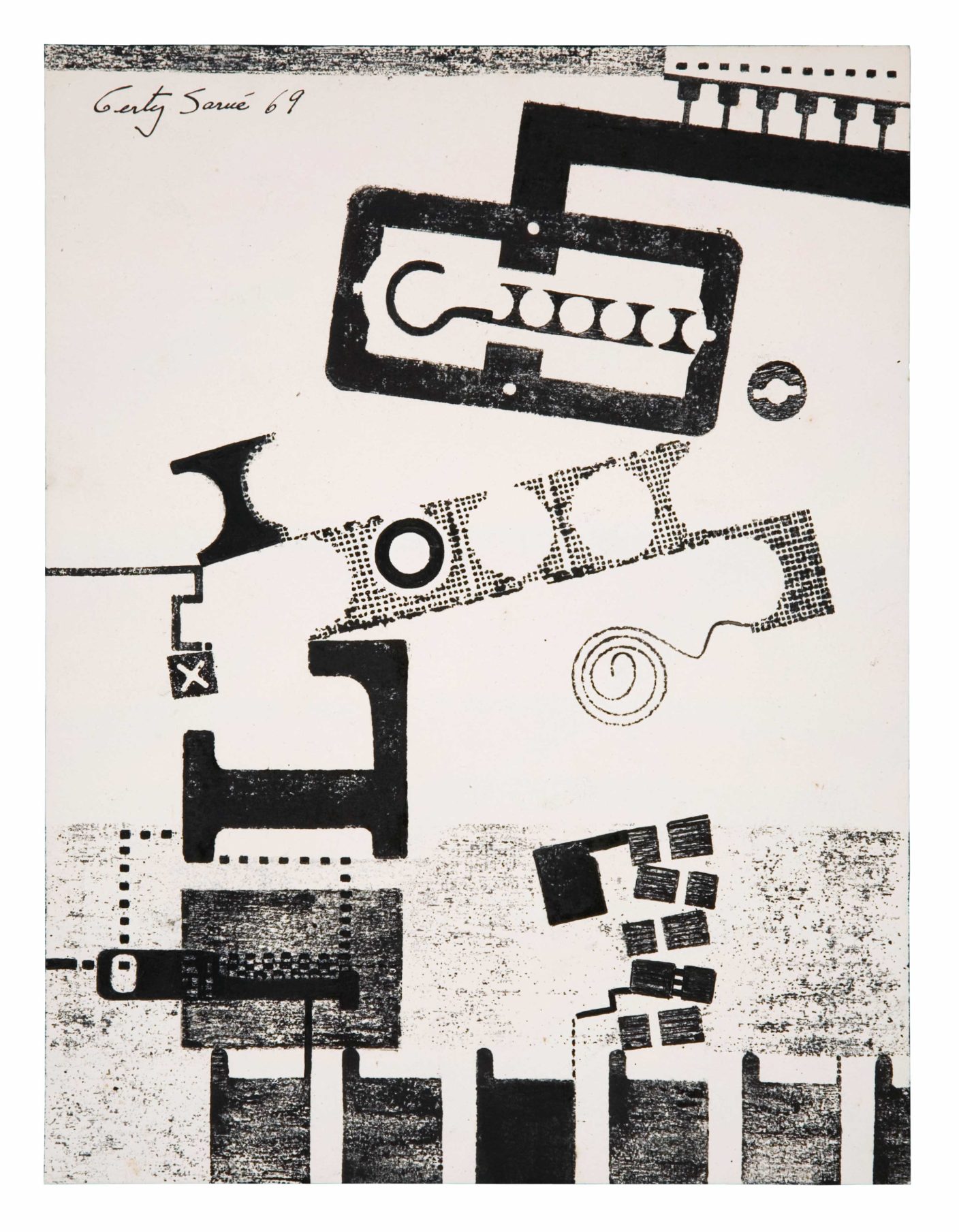
Monotipia III
1969
Monotype and
typographic ink on paper
305 × 23 cm
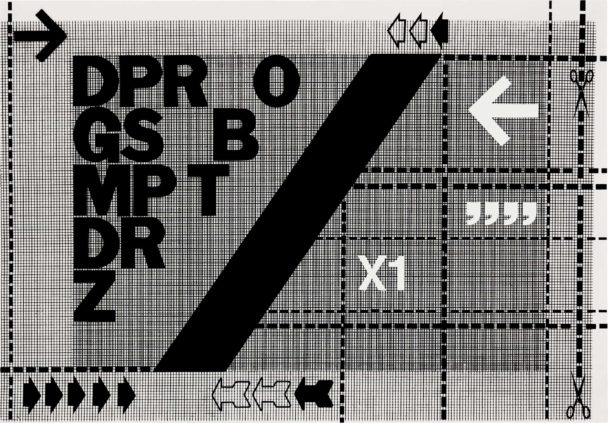

Sem título
1984
Collage, letraset and ink
on graph paper
30 × 43 cm
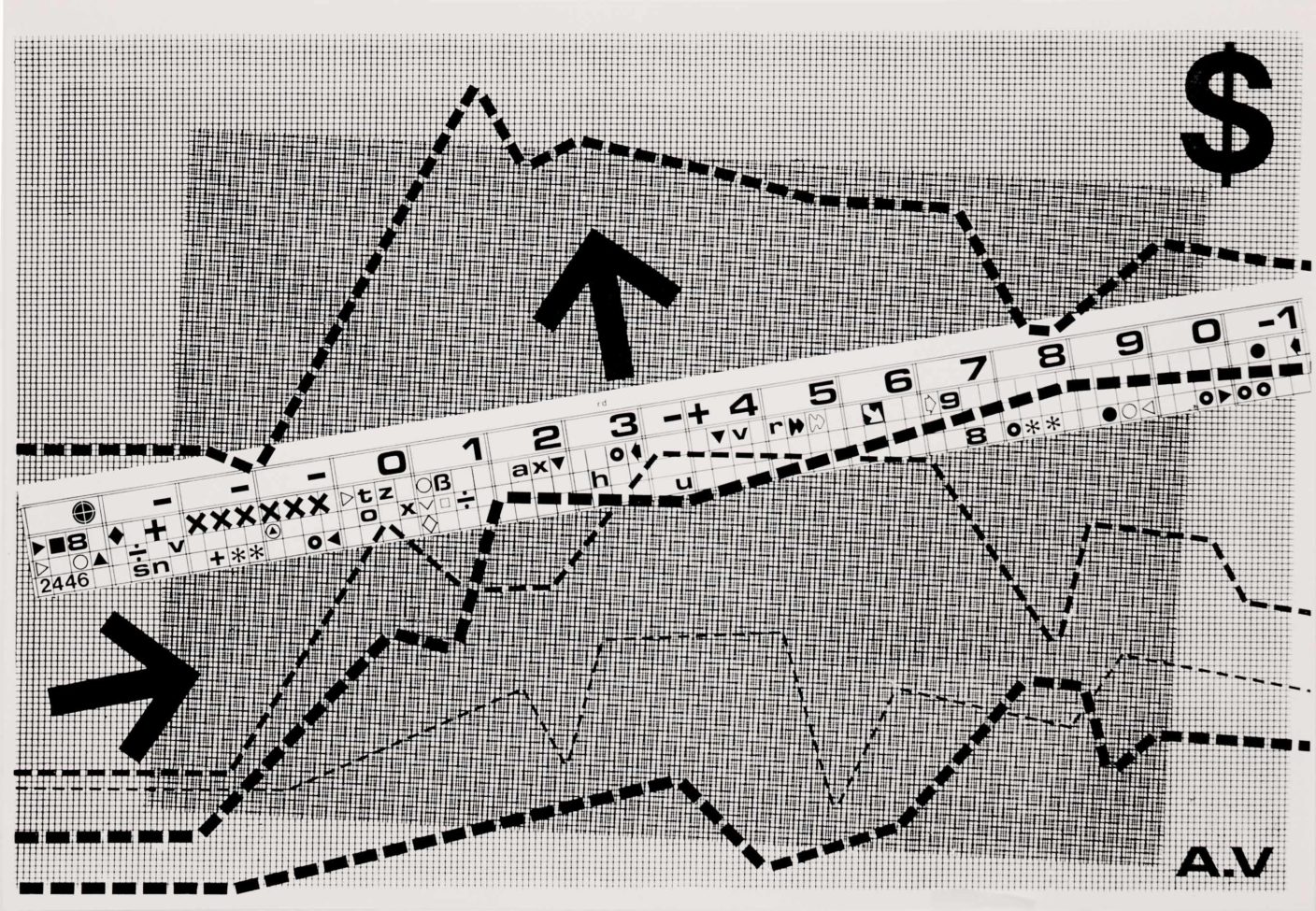
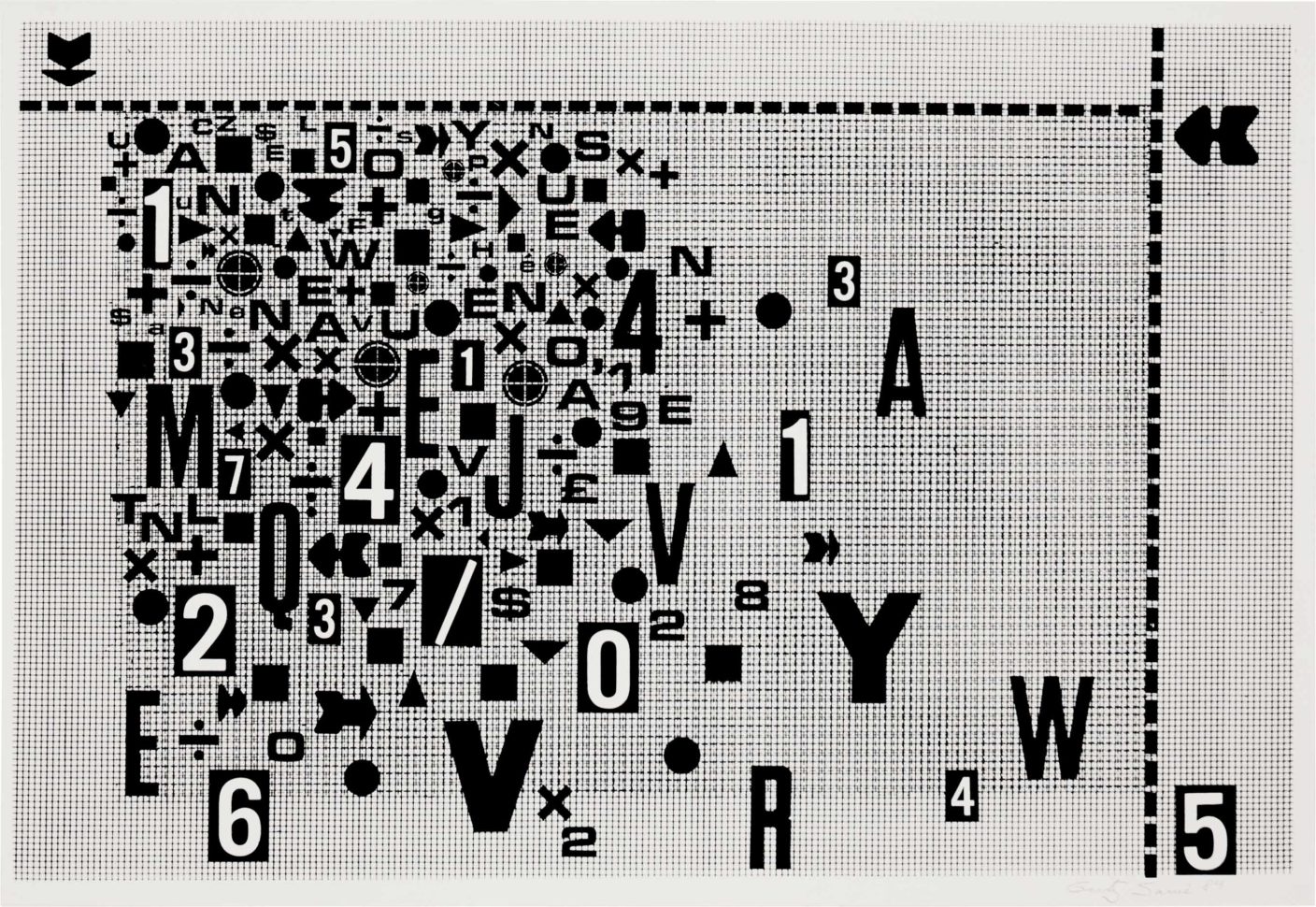
Sem título
1984
Electrostatic copy
29.5 × 425 cm
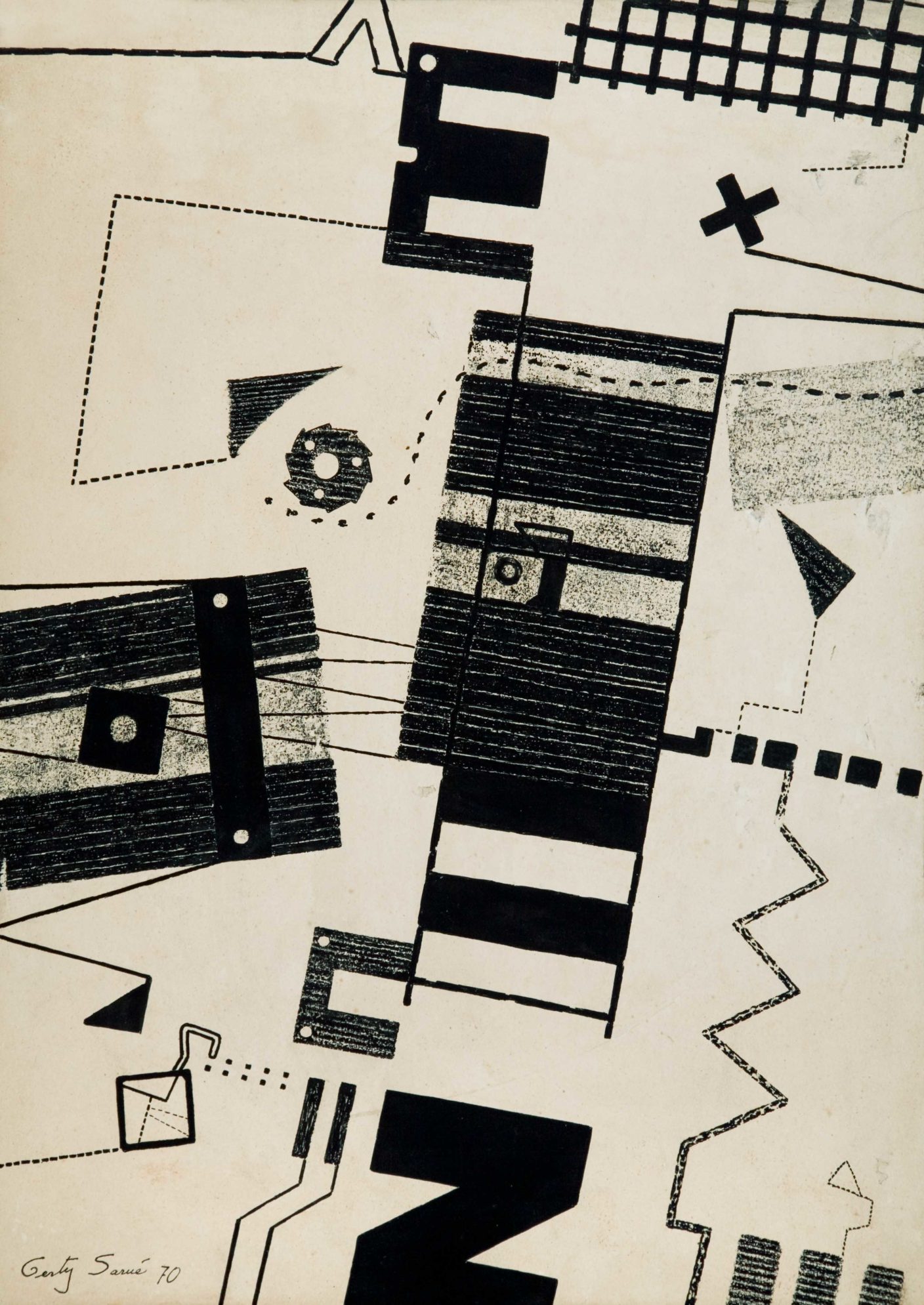
Sem título
1984
Electrostatic copy
29.5 × 425 cm
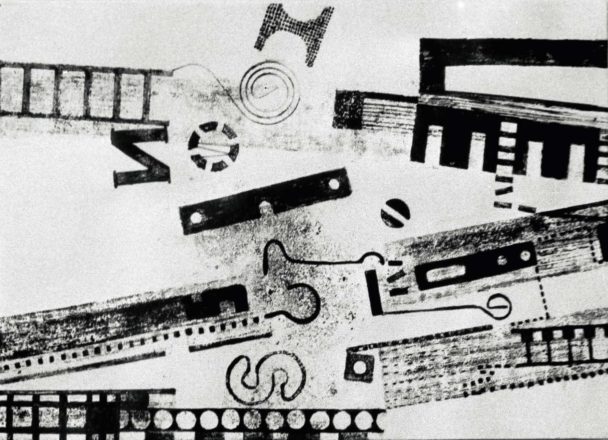
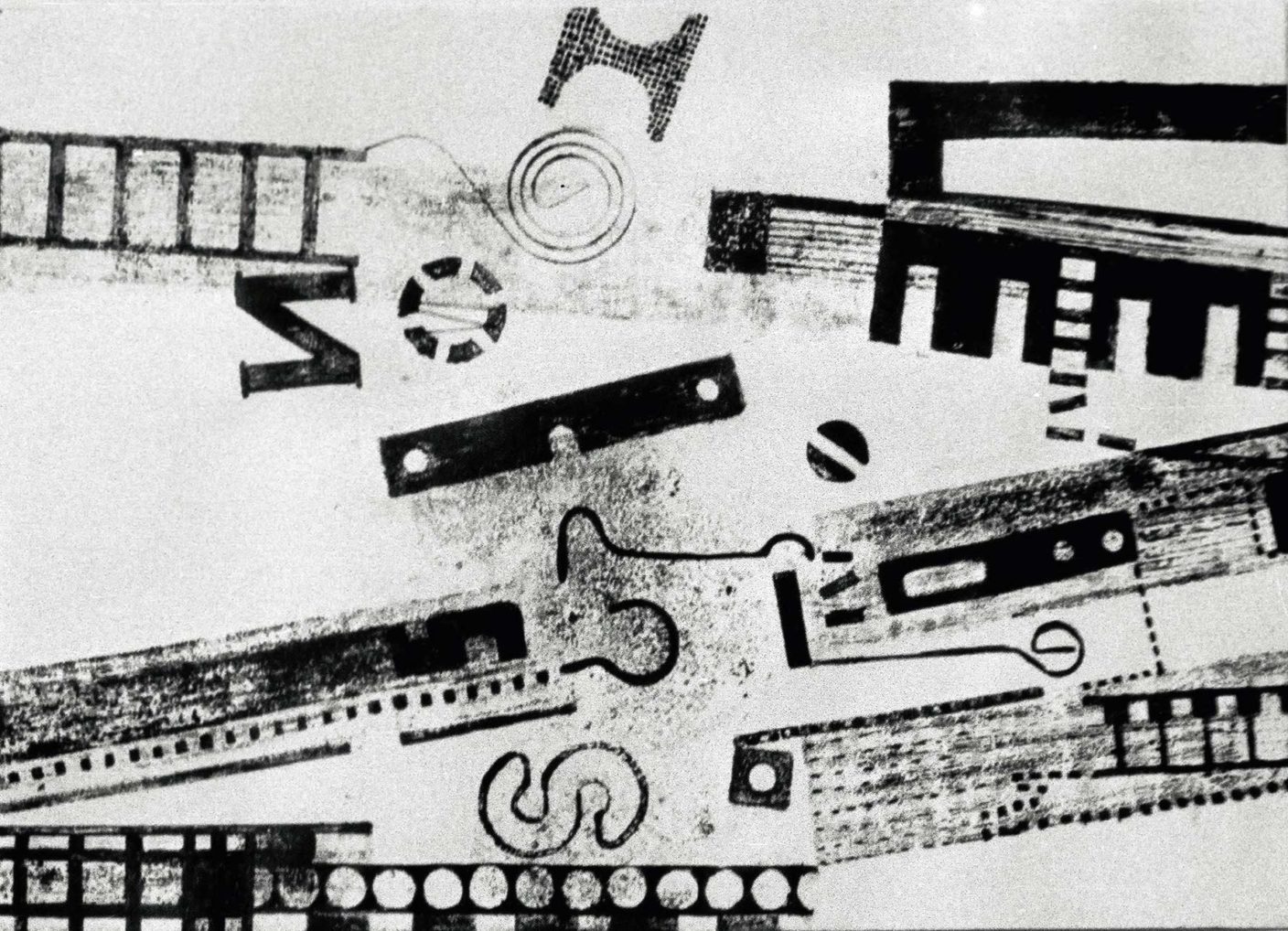
Monotipia
1970
Monotype andtypographic ink on paper
45 × 32 cm
Monotipia I
1970
Monotype and
typographic ink on paper21 × 29 cm
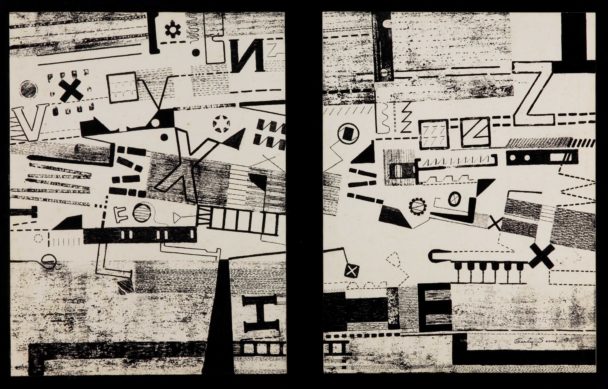
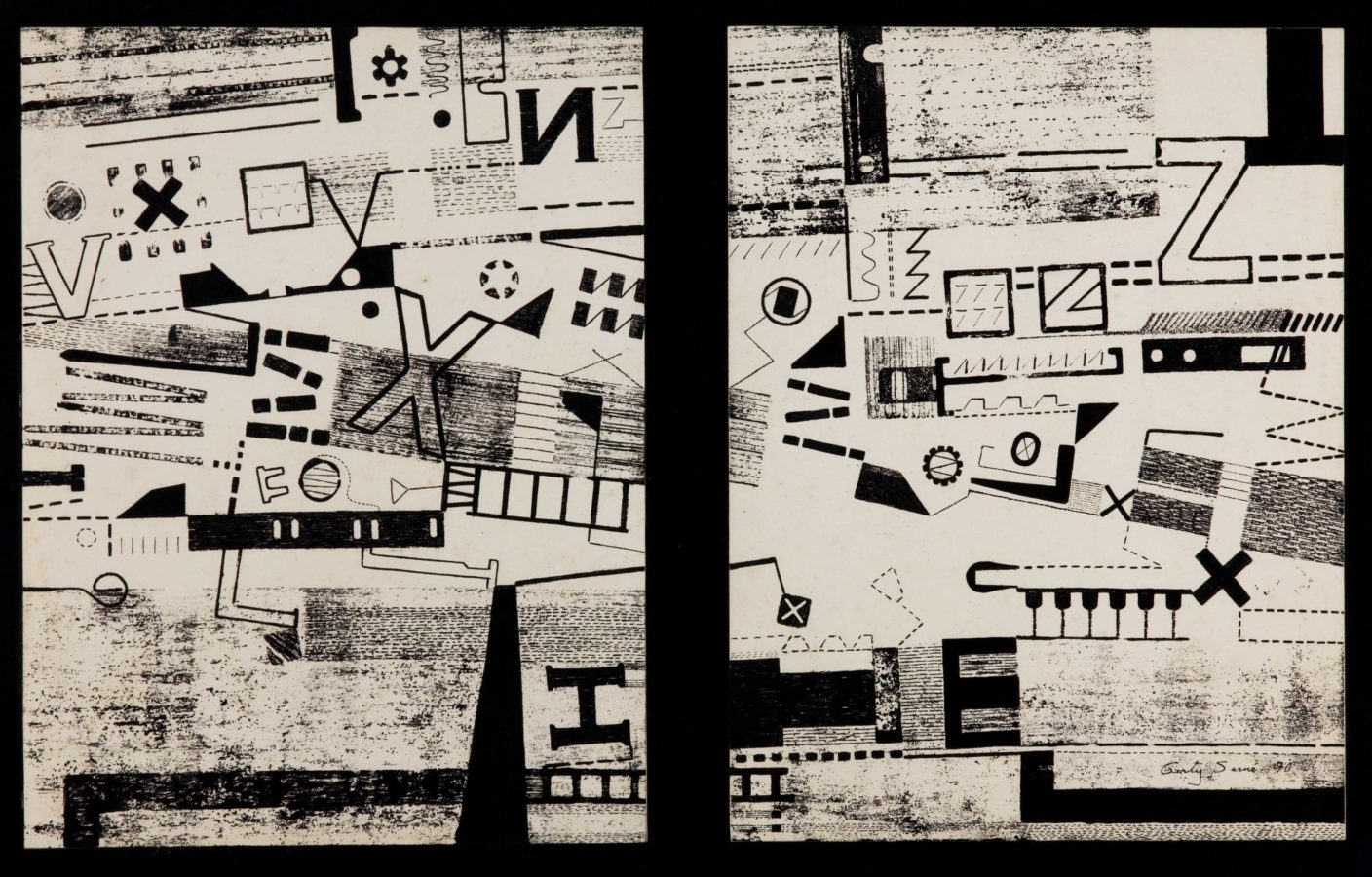
Monotipia II
1970
Monotype and
typographic ink on paper
Diptyque, 29 × 21 cm
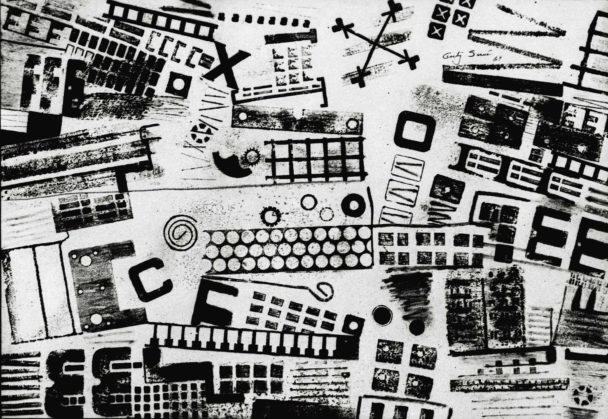
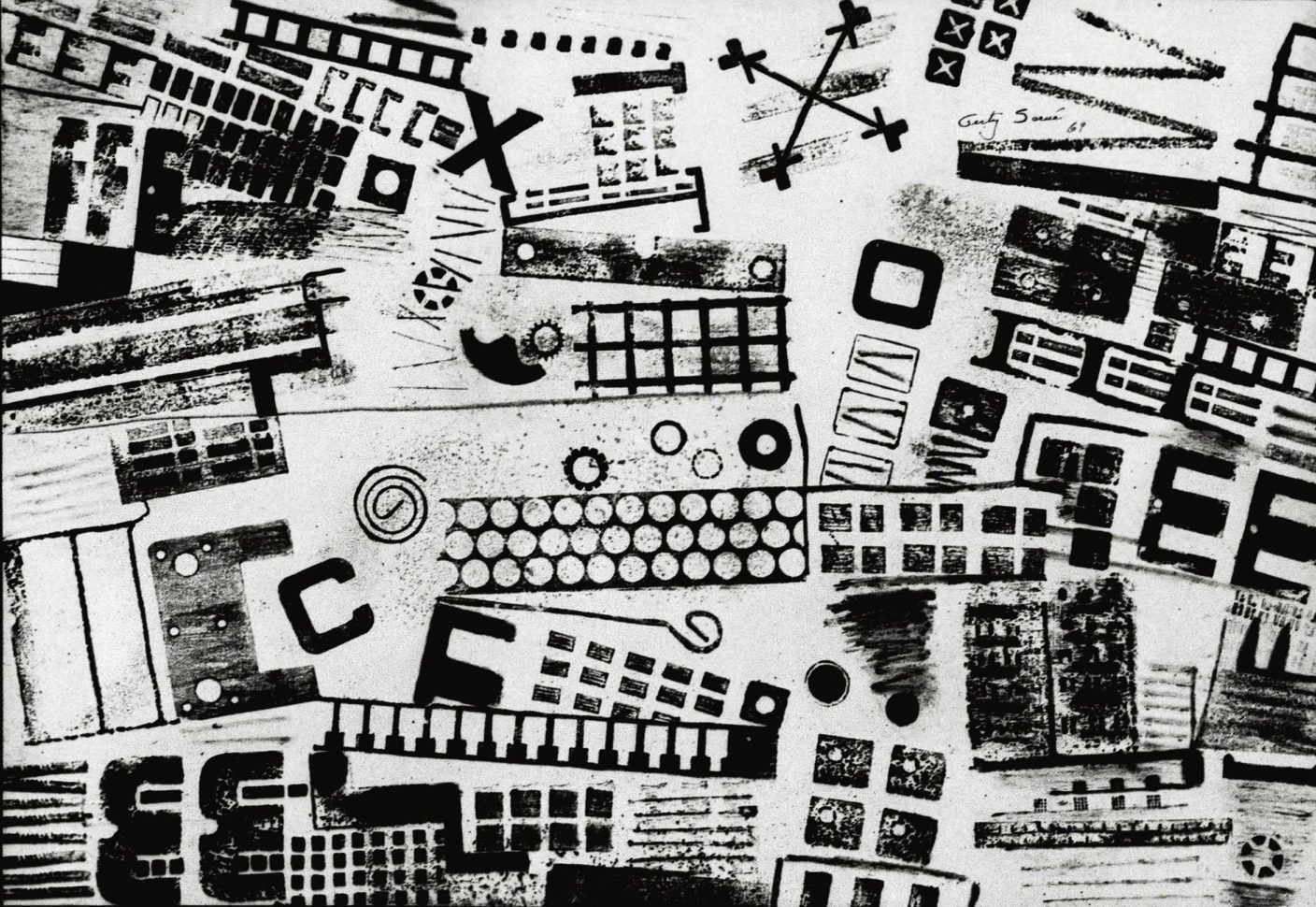
Monotipia V
1970
Monotype and
typographic ink on paper21 × 29 cm
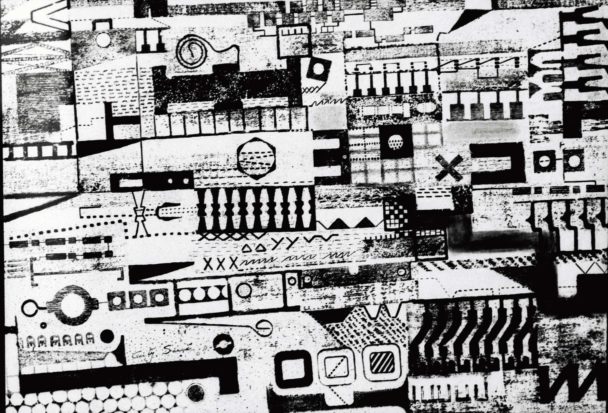
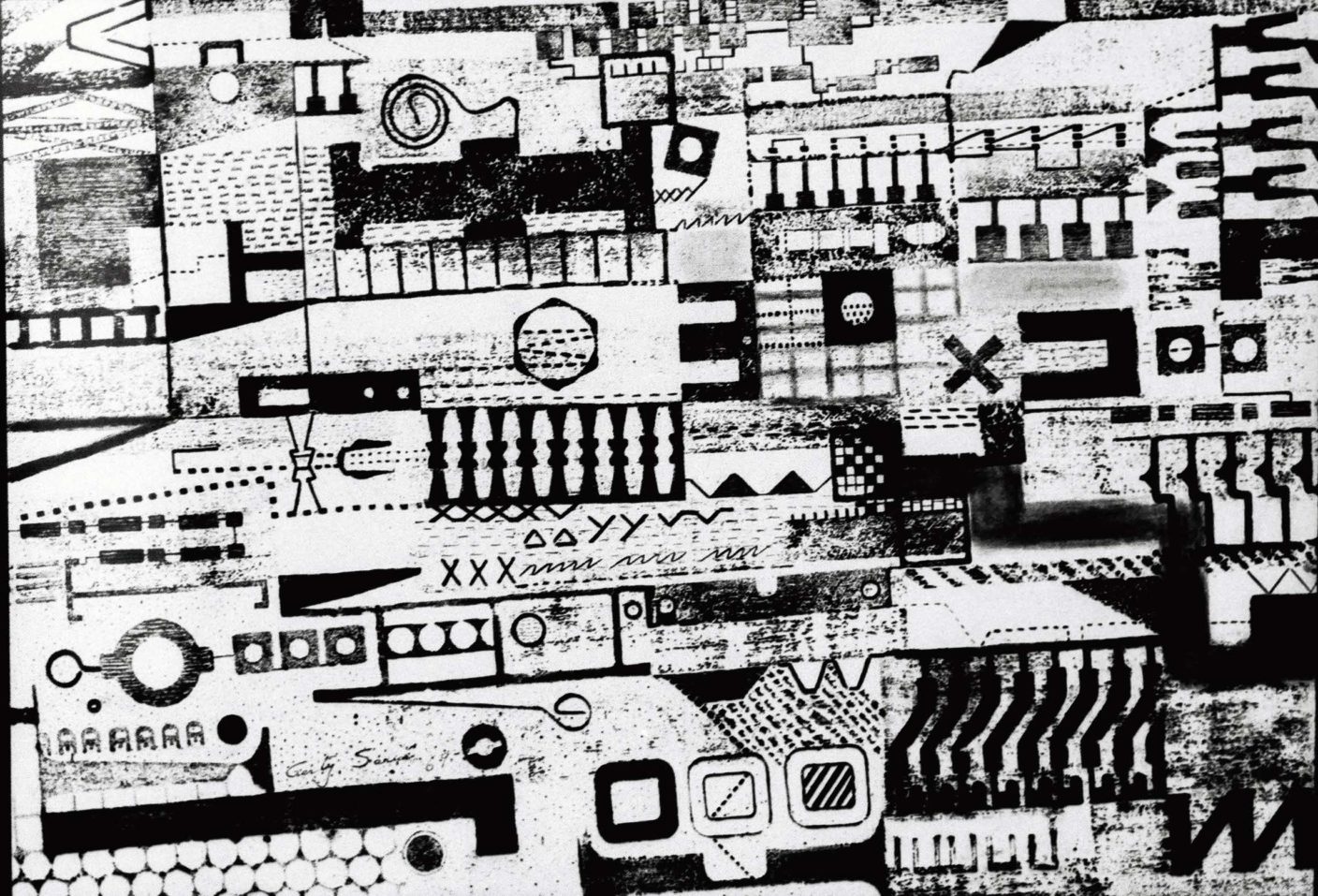
Monotipia VII
1970
Monotype and
typographic ink on paper21 × 29 cm
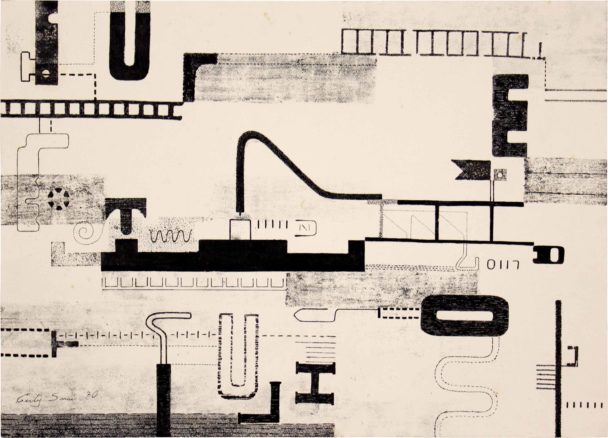
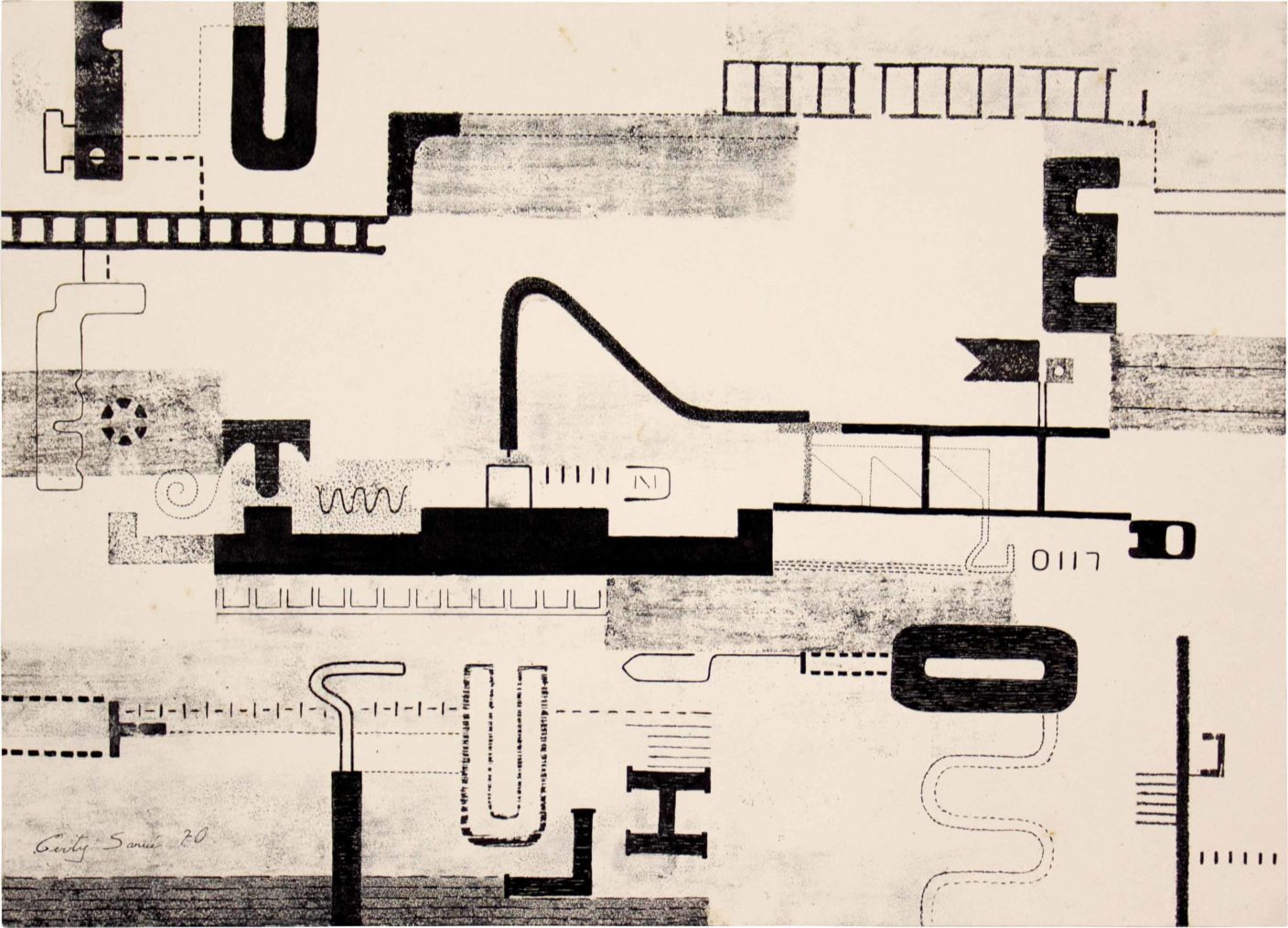
Usina
1970
Monotype and
typographic ink on paper31,5 × 41,5 cm
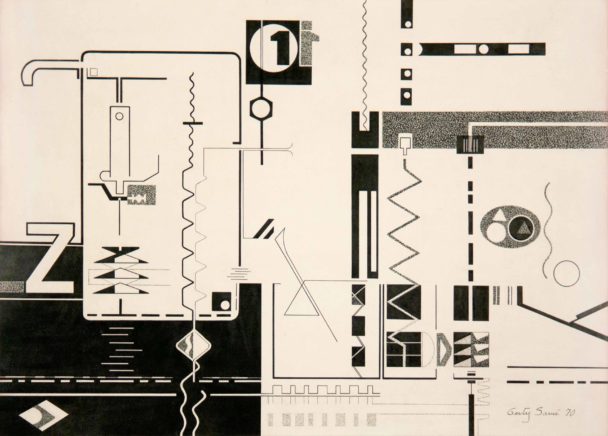
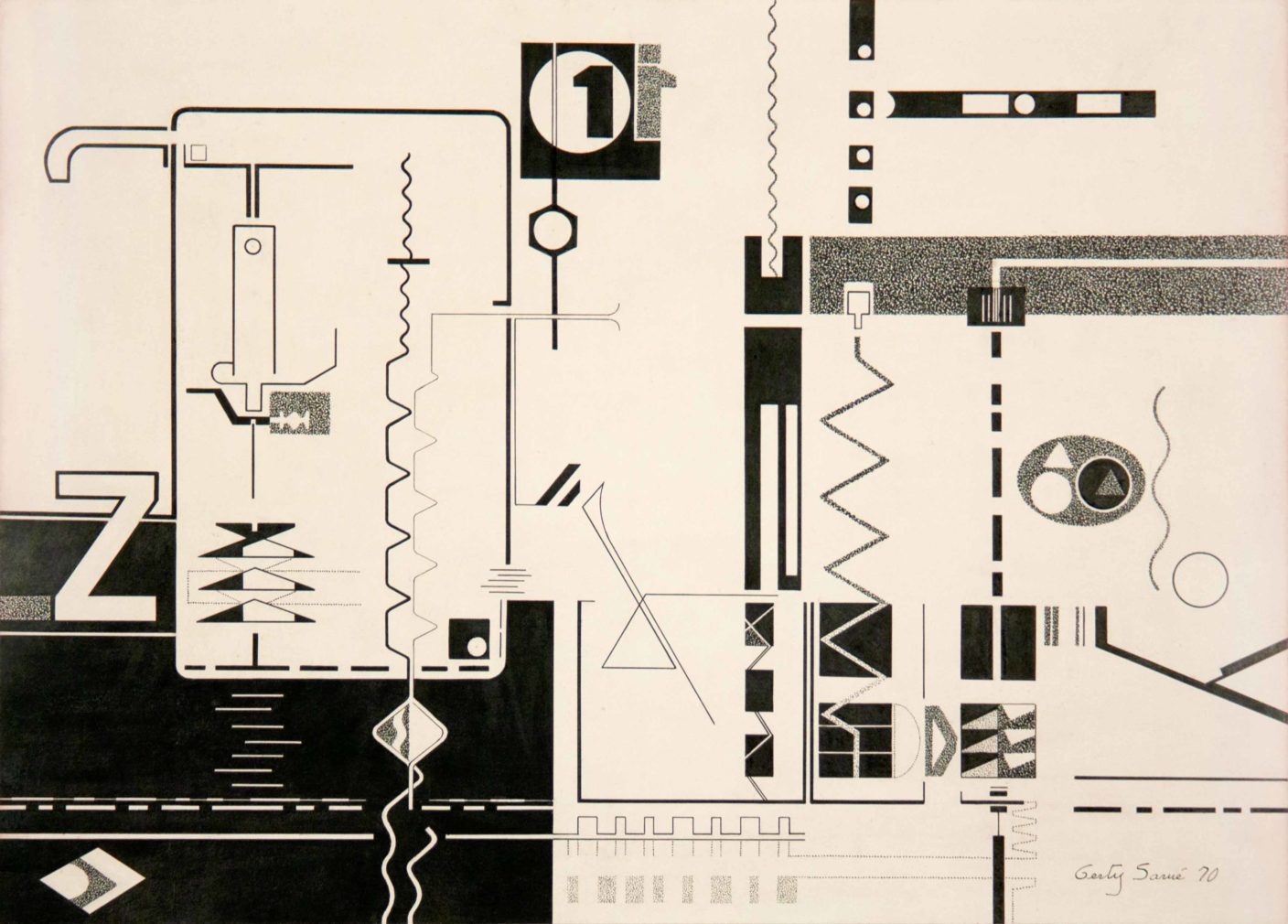
Laboratório
1970
Ink on paper31,5 × 44 cm


Sub-Laboratório
Offset print32 × 45 cm
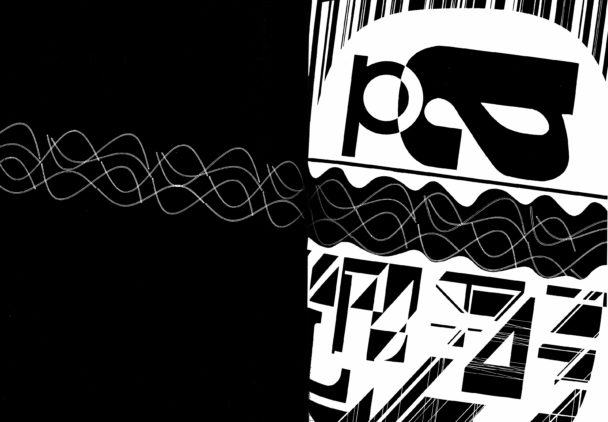
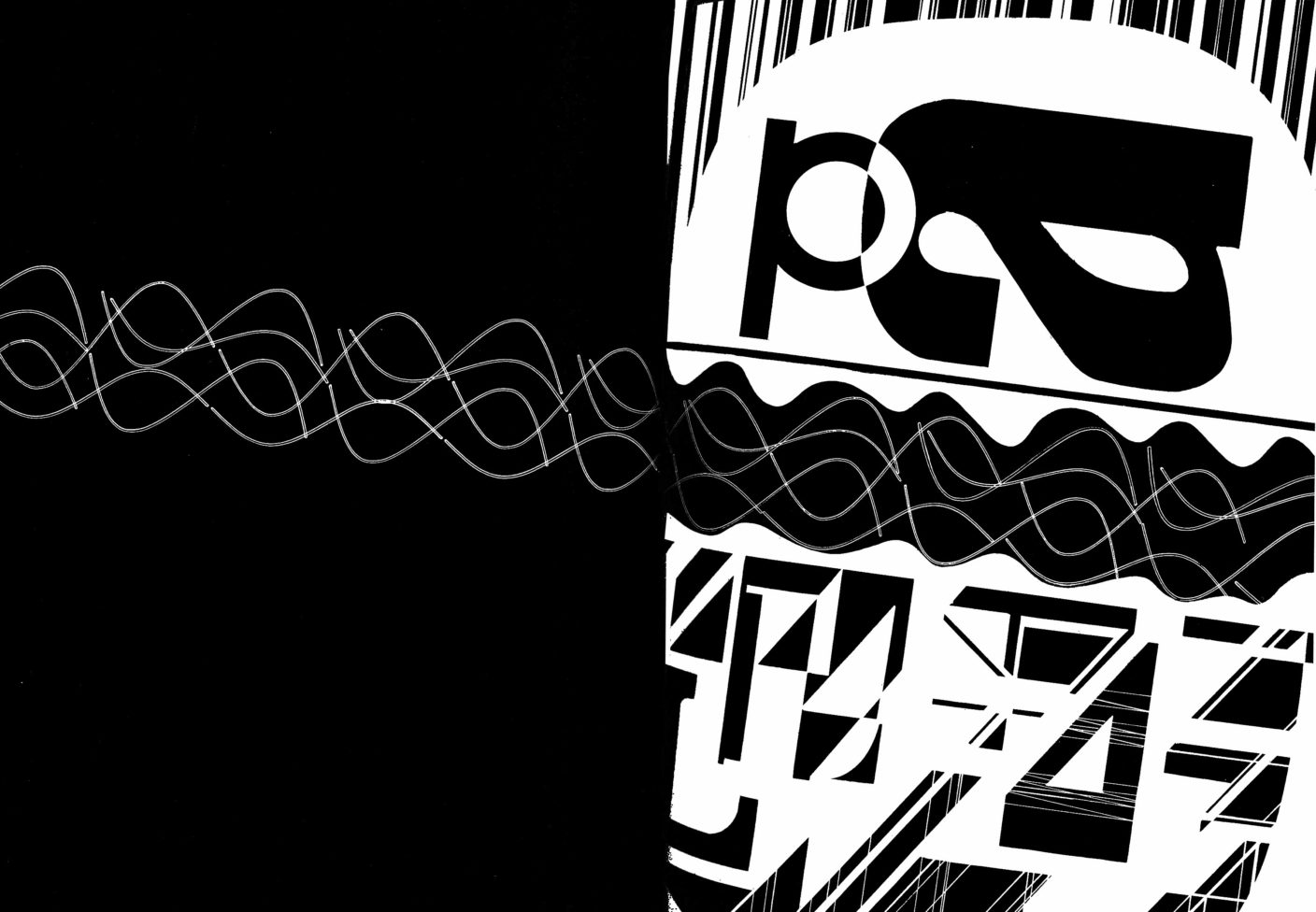
Sem título
Graphic essay the book ‘Panorama do Finnegans Wake’ (1971) by Augusto and Haroldo de Campos, published by Perspectiva
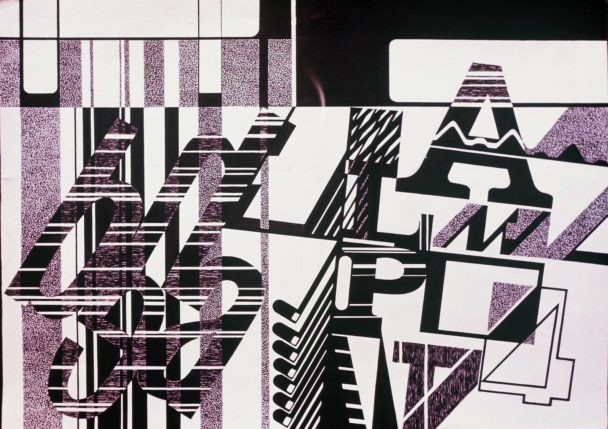
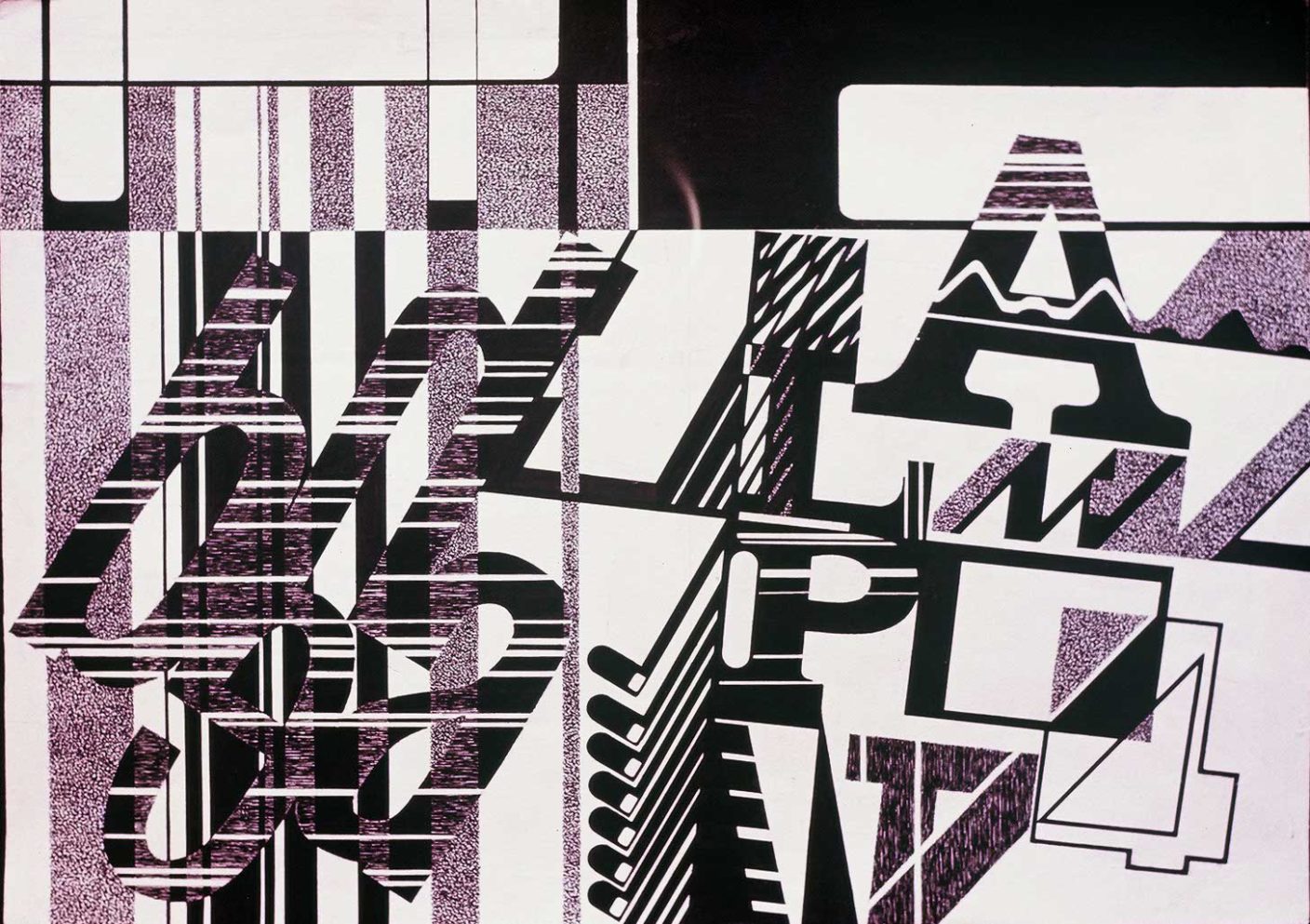
Sem título
Graphic essay the book ‘Panorama do Finnegans Wake’ (1971) by Augusto and Haroldo de Campos, published by Perspectiva
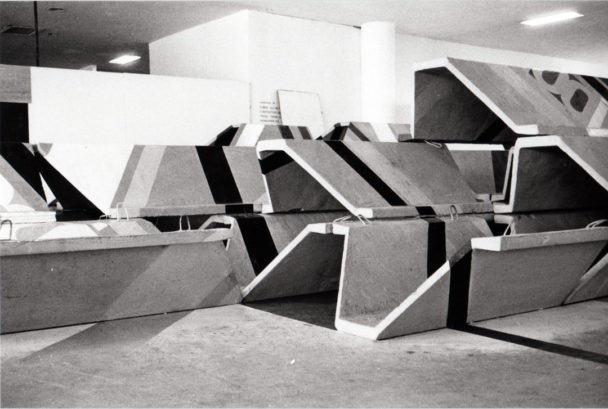
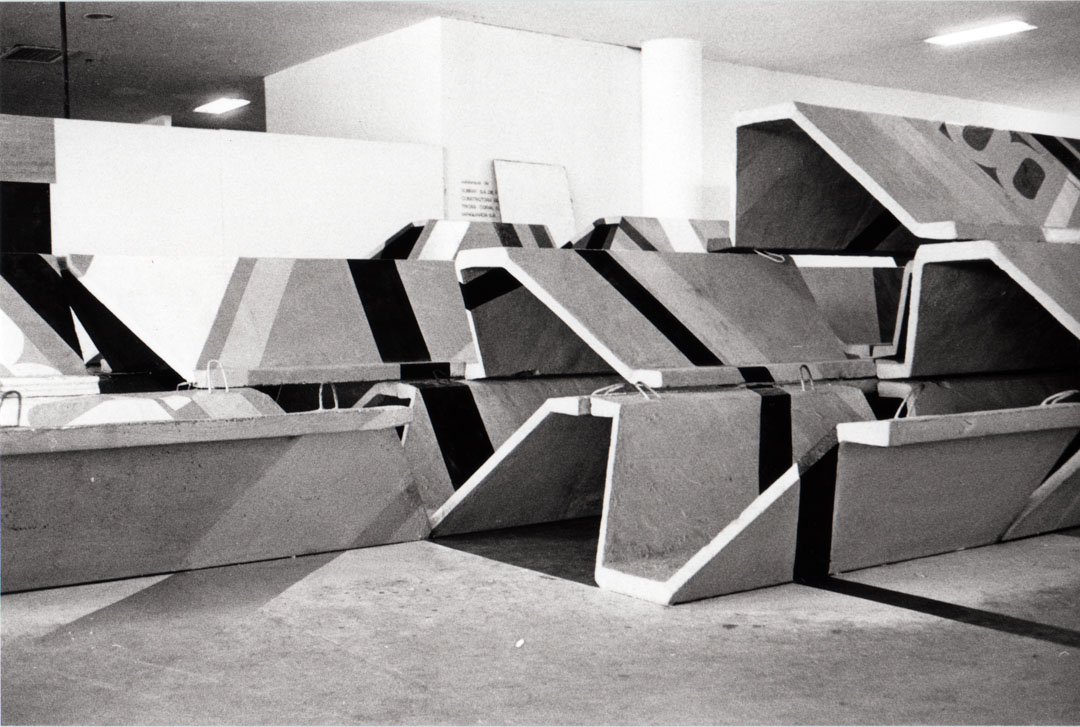
Metrópole
1973
Installation made of concrete tiles for the 12th São Paulo Biennial


Metrópole
1973
Installation made of concrete tiles for the 12th São Paulo Biennial


Abecedário
Ink on
34 × 117 cm
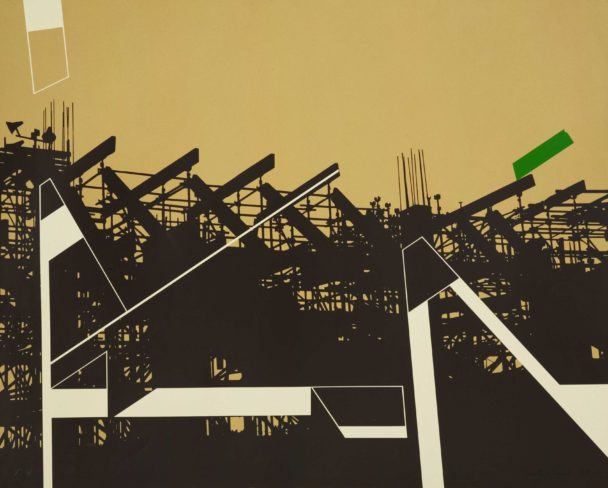
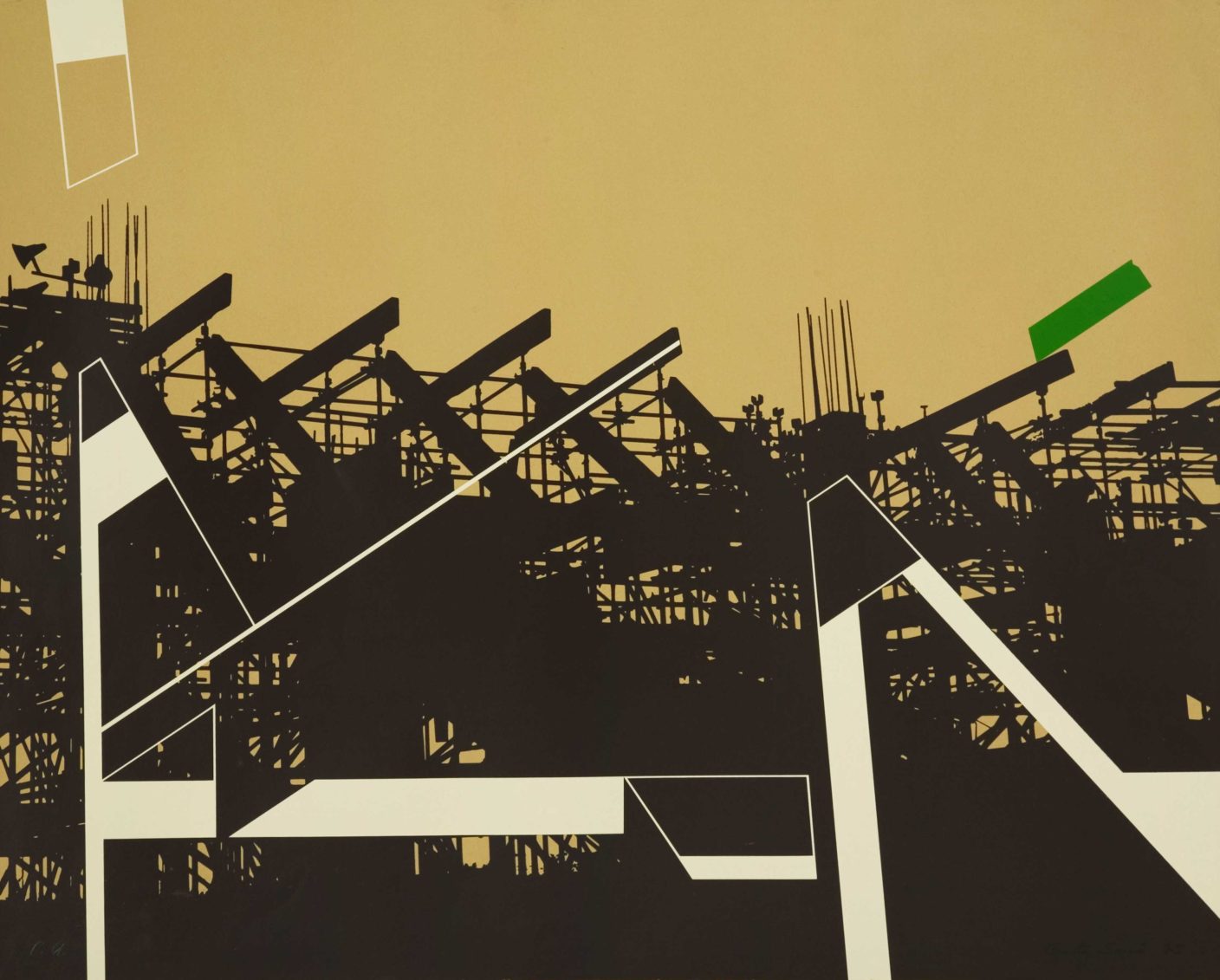
Estruturas
Serigraphy on paper57 × 75 cm
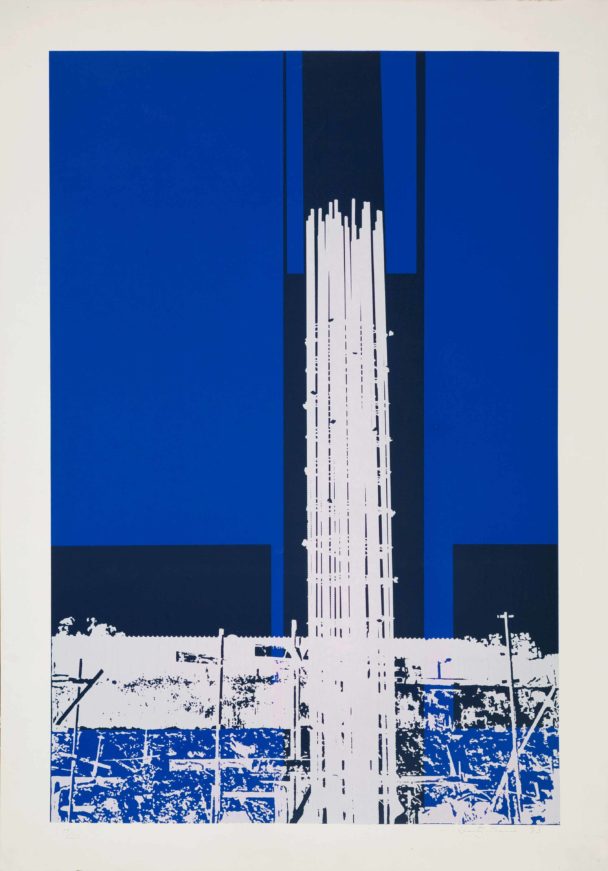

Torre
Serigraphy on paper86 × 60 cm
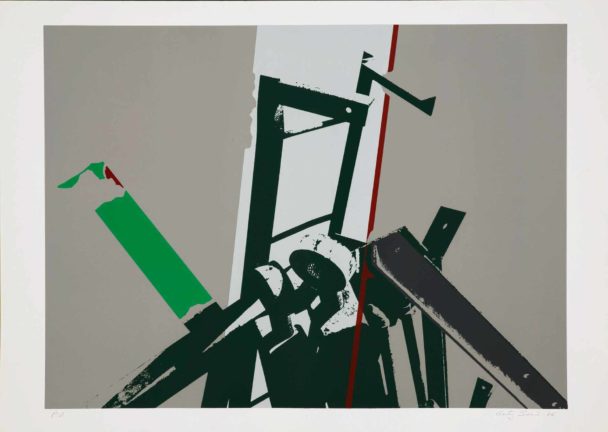
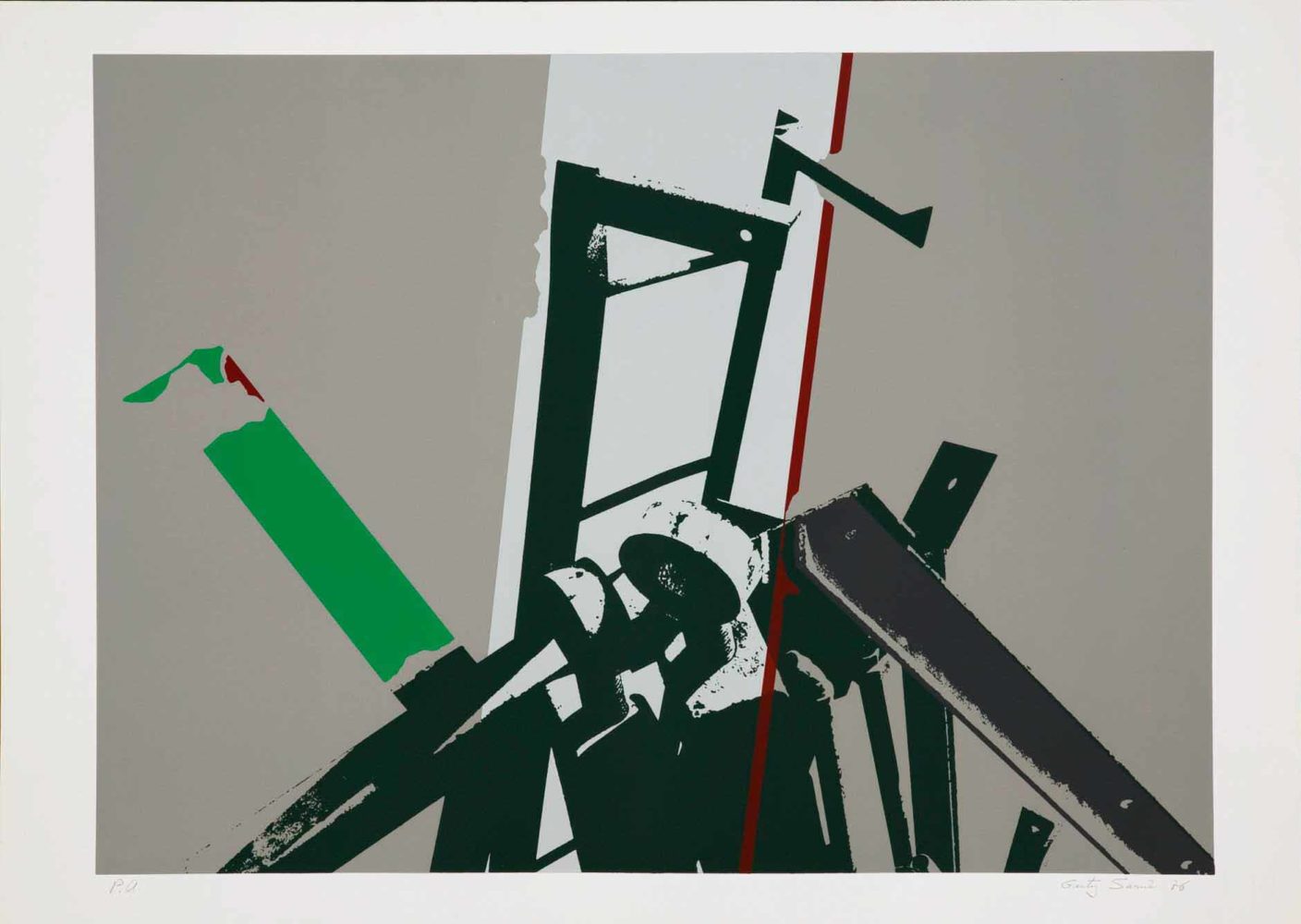
Diagonais
Serigraphy on paper50 × 70 cm
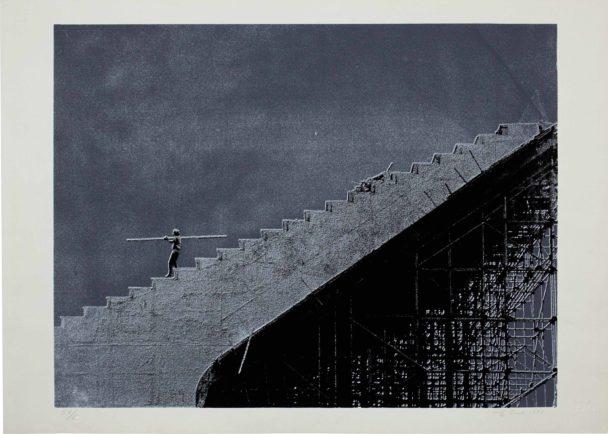
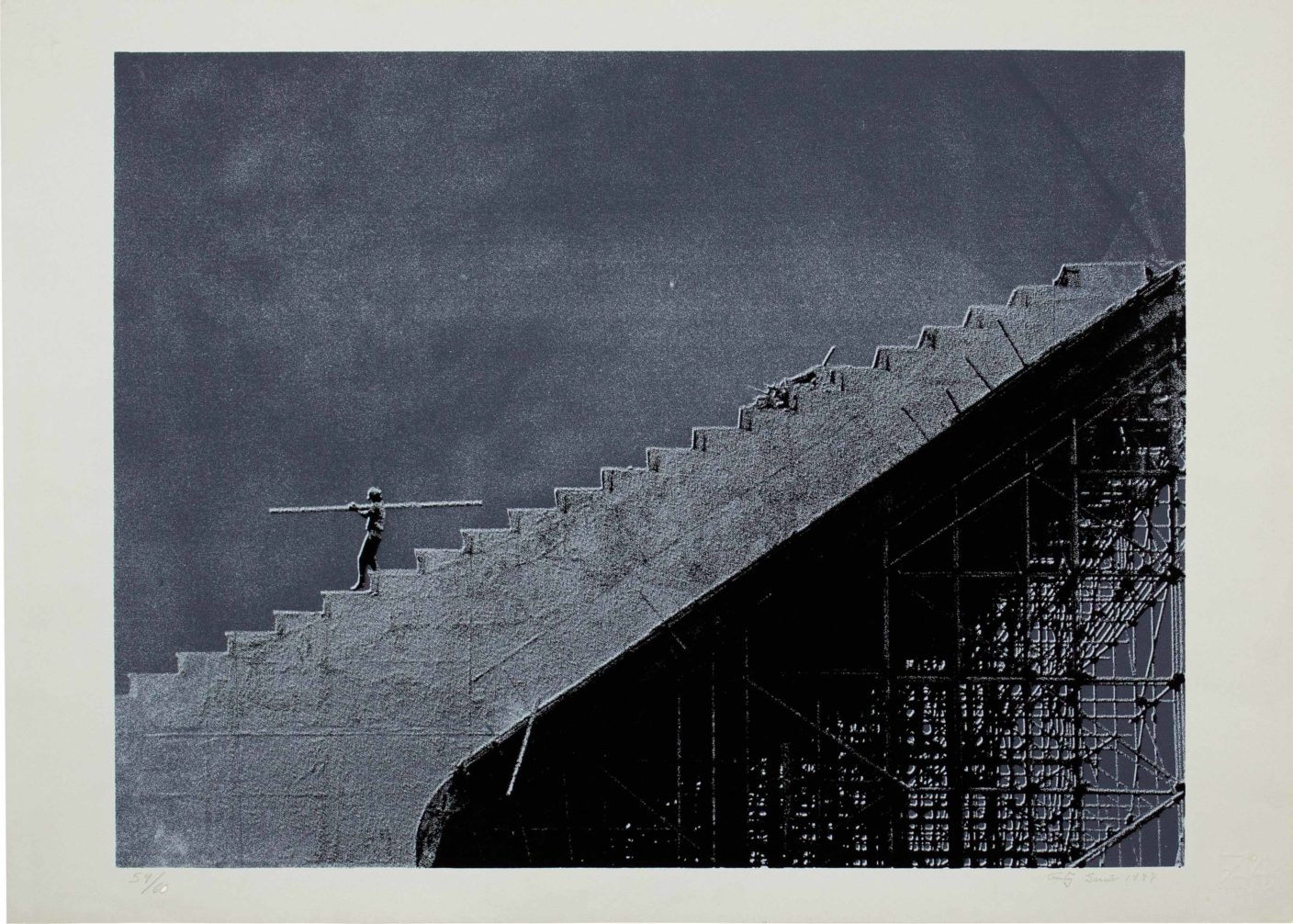
Sem título
1977
Serigraphy on paper50 × 70 cm
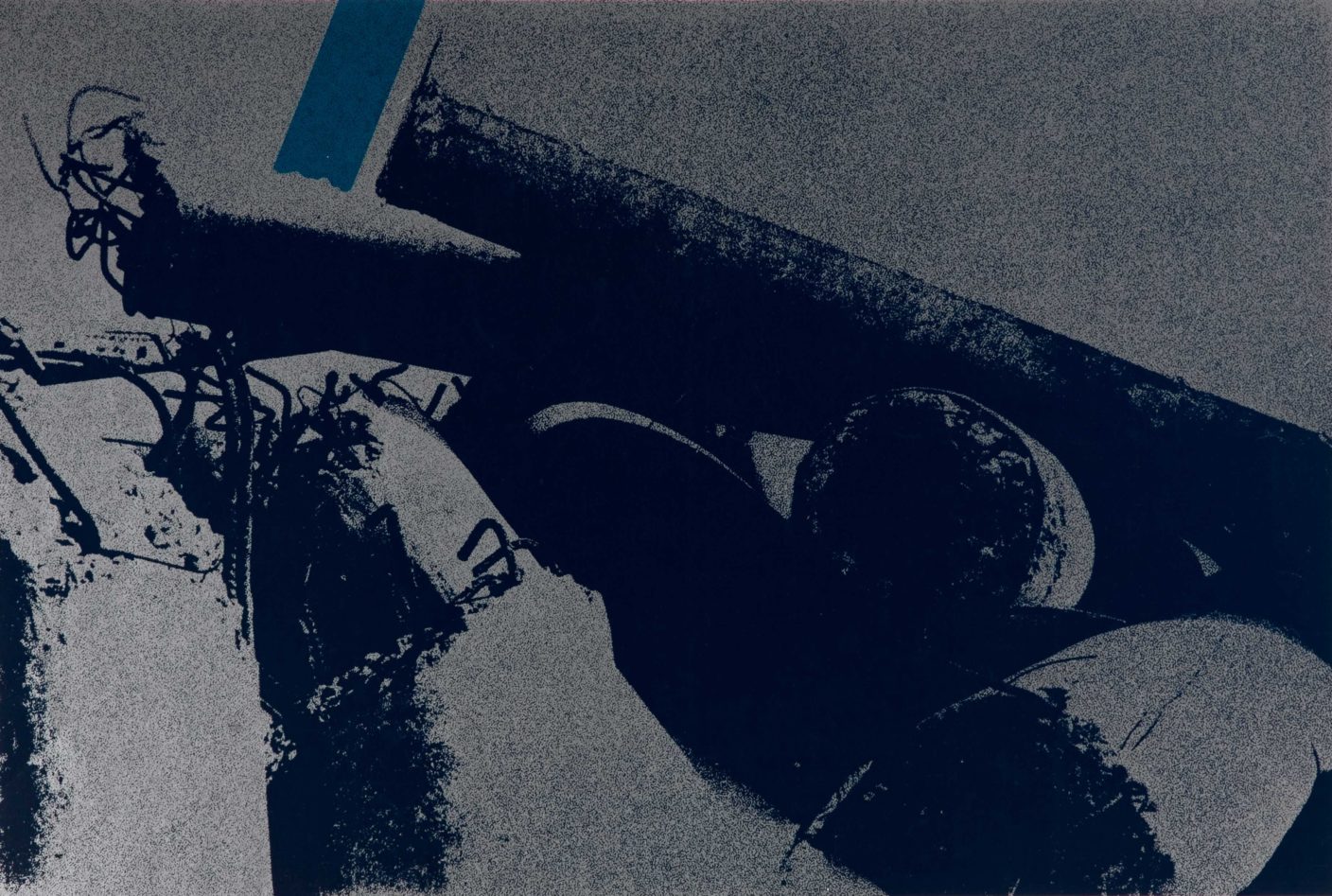
Vigas
1977
Serigraphy on paper
50 × 70 cm
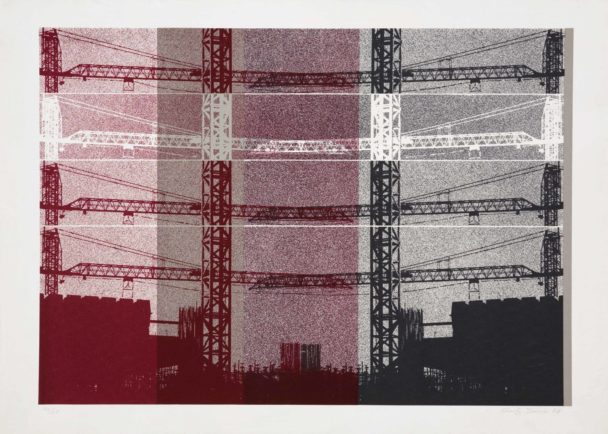
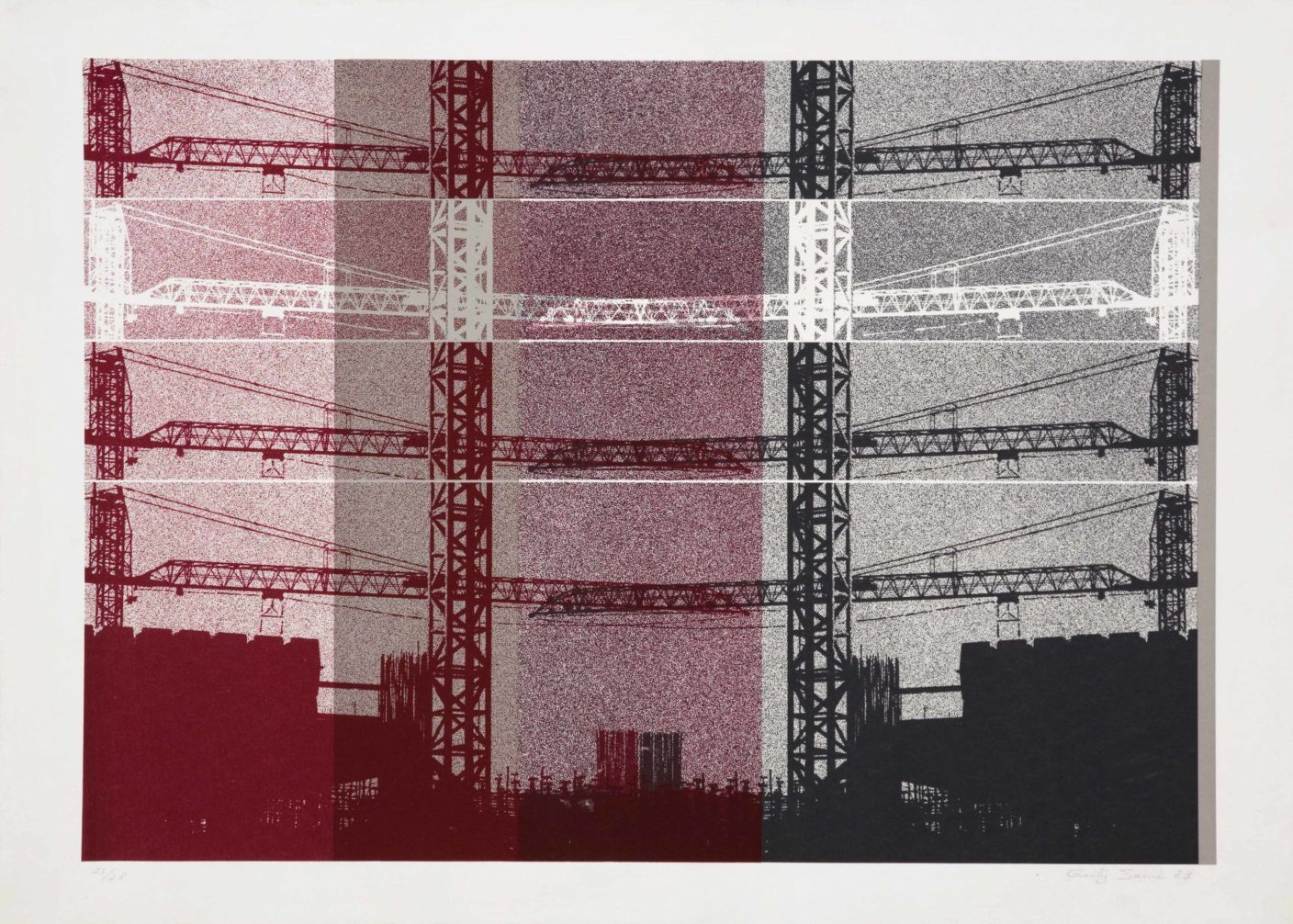
Guinchos
1980
Serigraphy on paper
50 × 70 cm
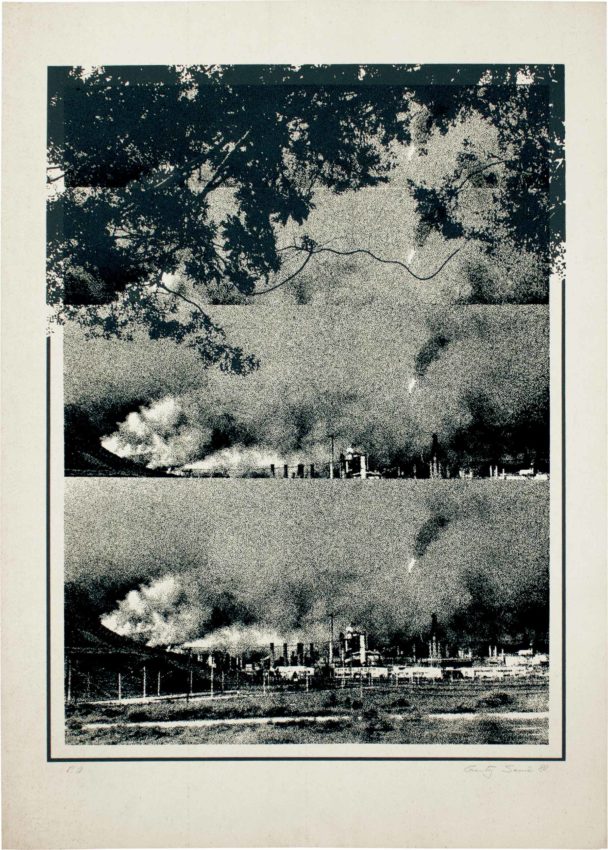
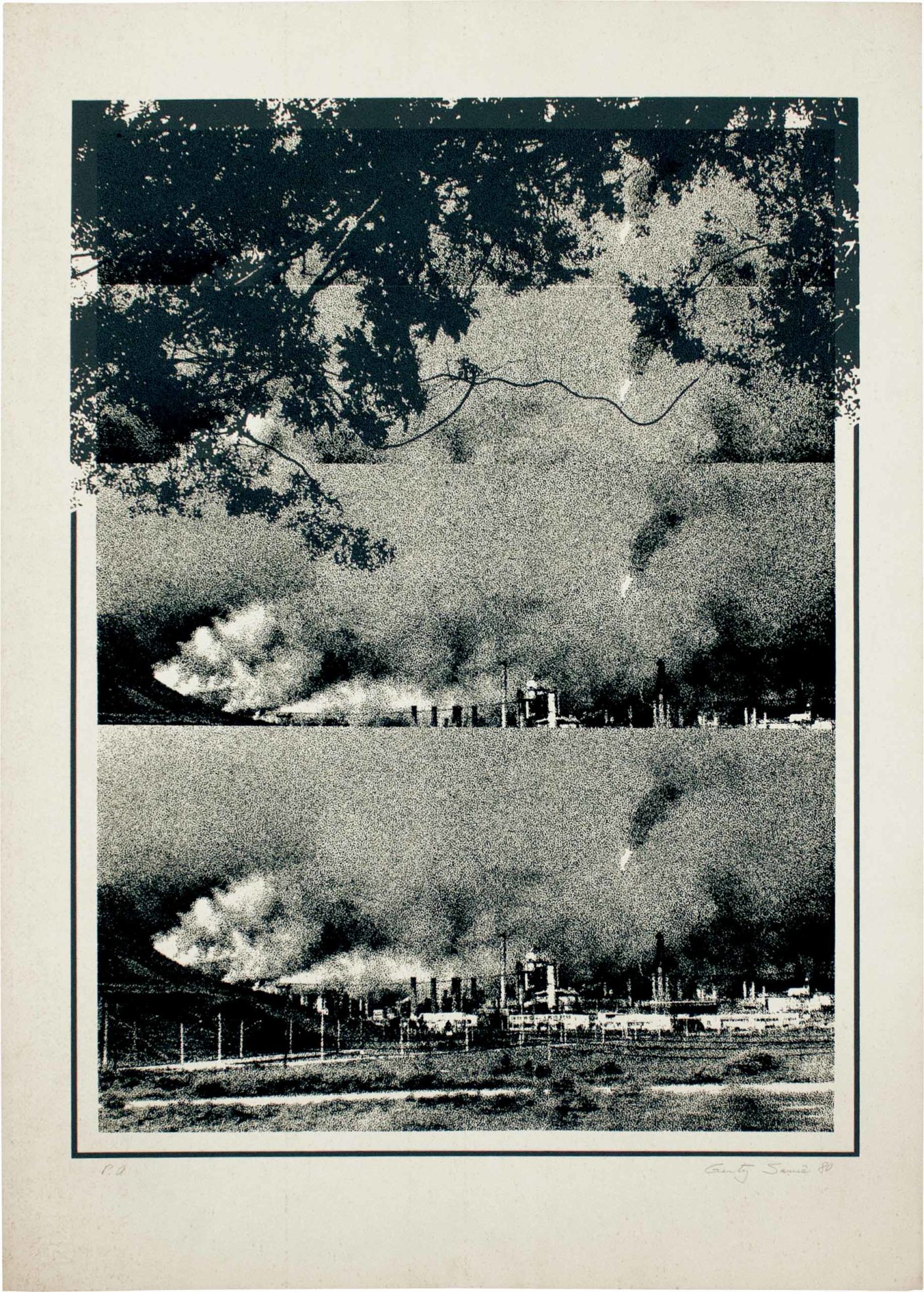
Cubatão
1982
Serigraphy on paper70 × 50 cm


Sem título
1992
Oil stick on paper
56 × 56 cm
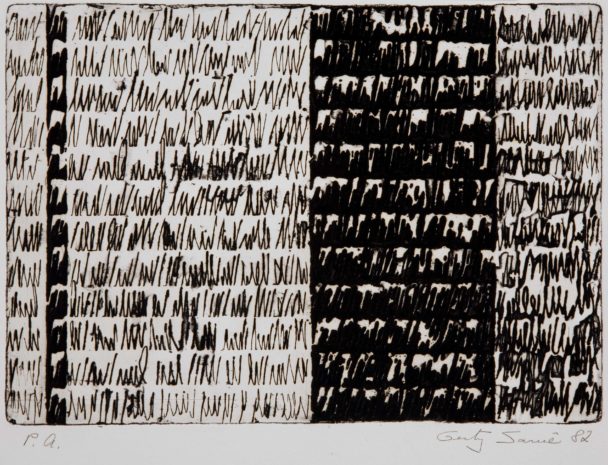
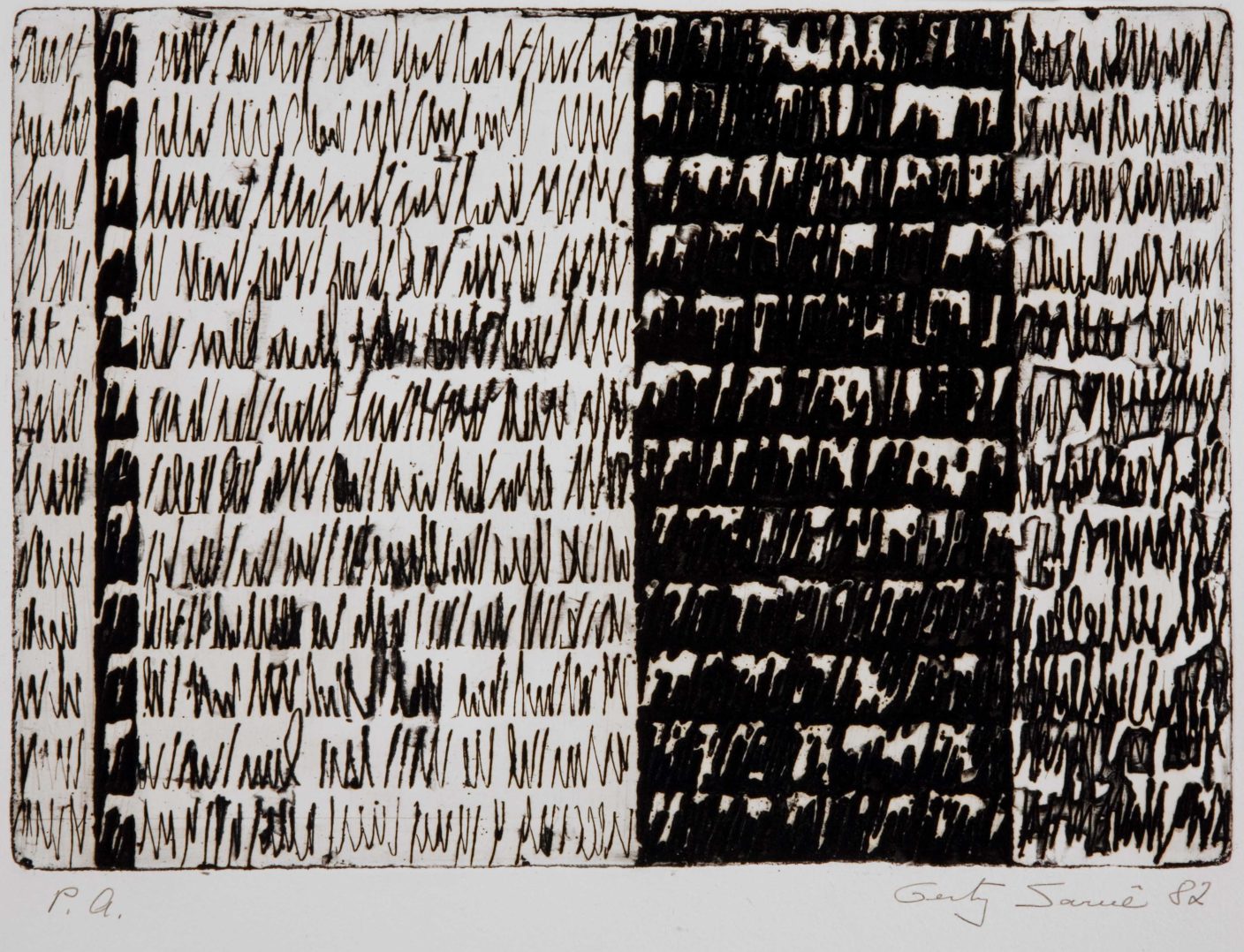
Grafismos
Metal engraving on paper22 × 30 cm


Microfichas, sinais, quadrado
Electrostatic copy
31.5 × 21.5 cm


Microfichas, sinais
Electrostatic copy
31.5 × 21.5 cm
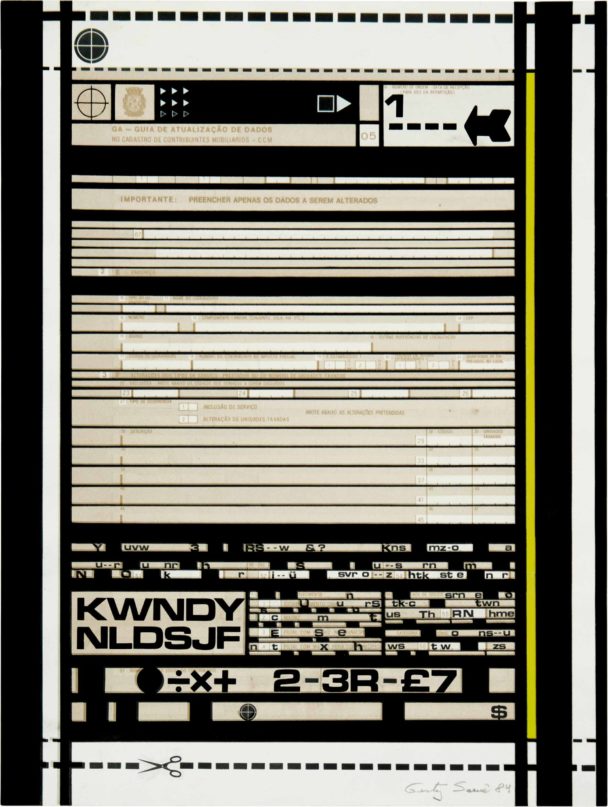
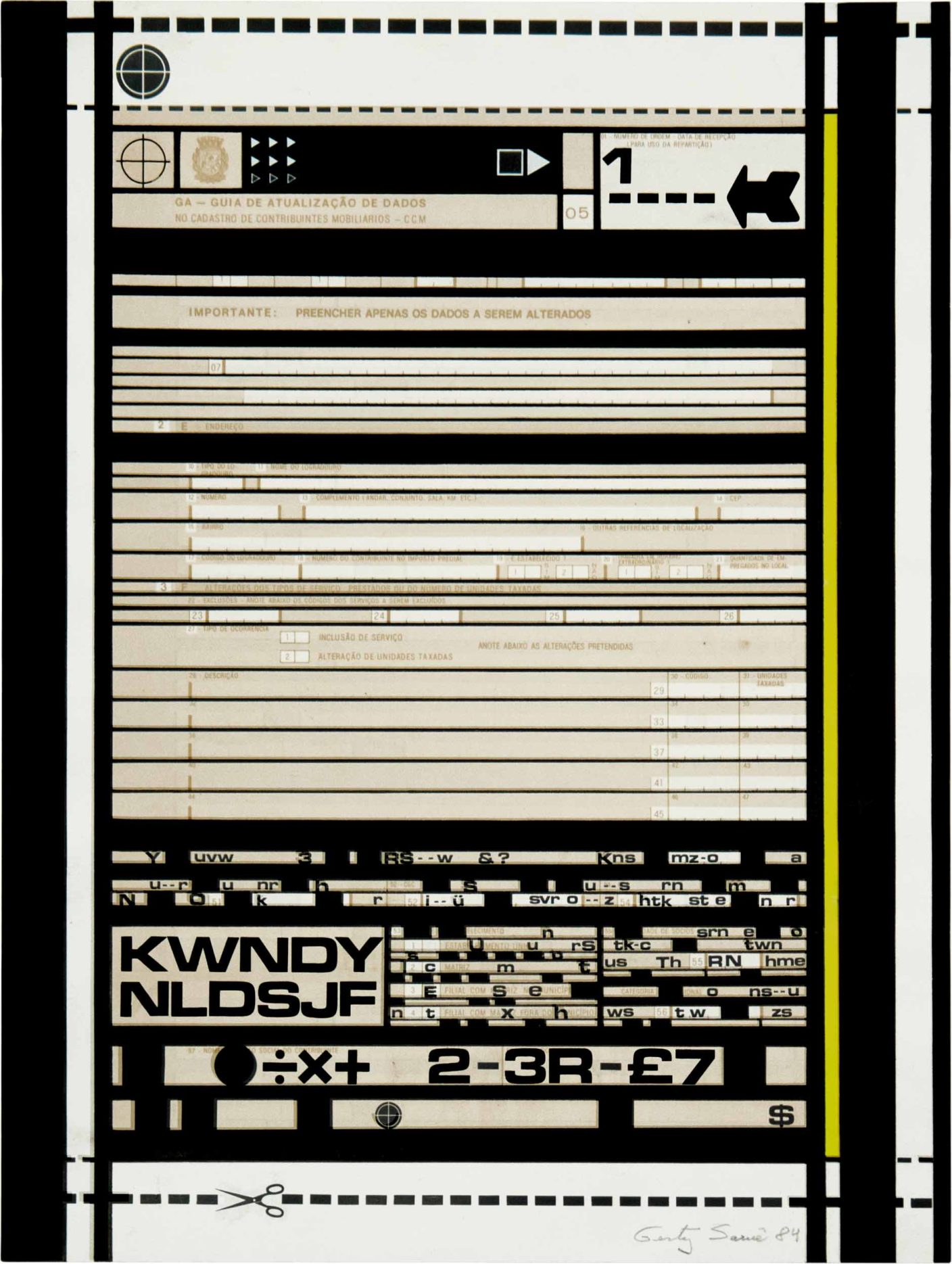
Sem título
from the series Burocráticas, 1984
Letraset, ink and
collage on paper
29 × 21 cm
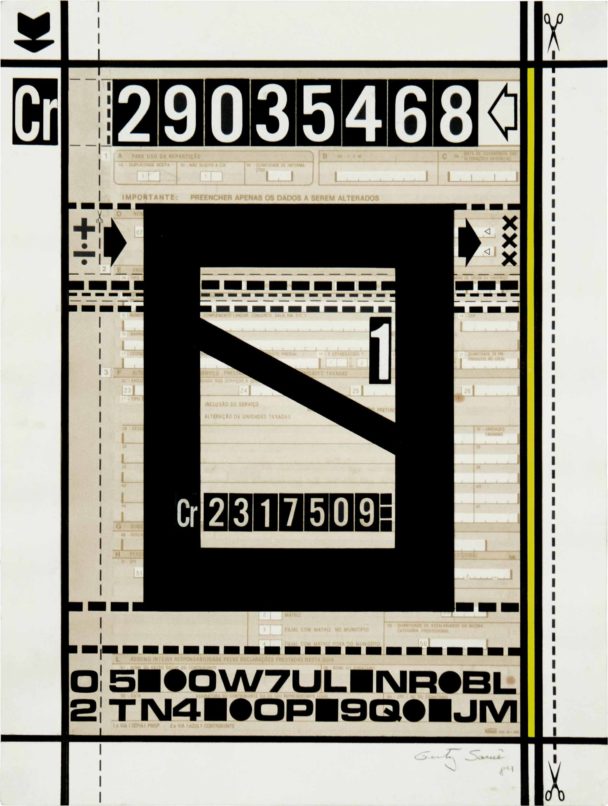
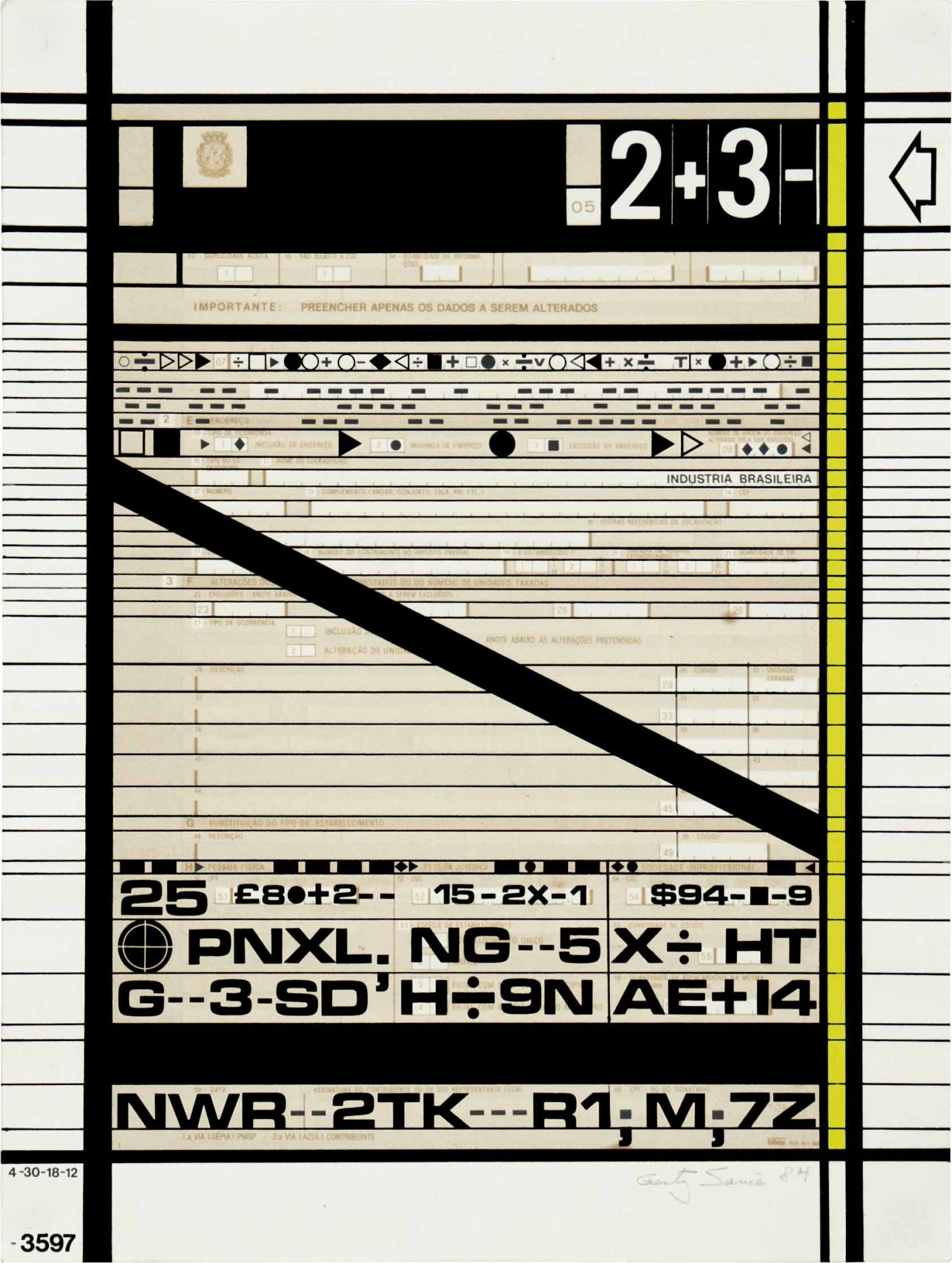
Sem título
from the series Burocráticas, 1984
Letraset, ink and
collage on paper
29 × 21 cm
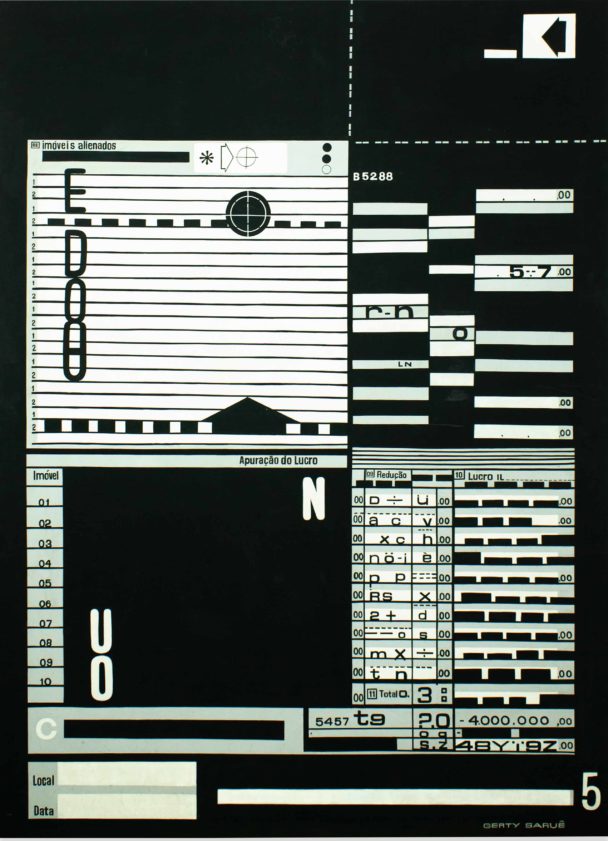
Sem título
from the series Burocráticas, 1984
Letraset, ink and
collage on paper
29 × 21 cm
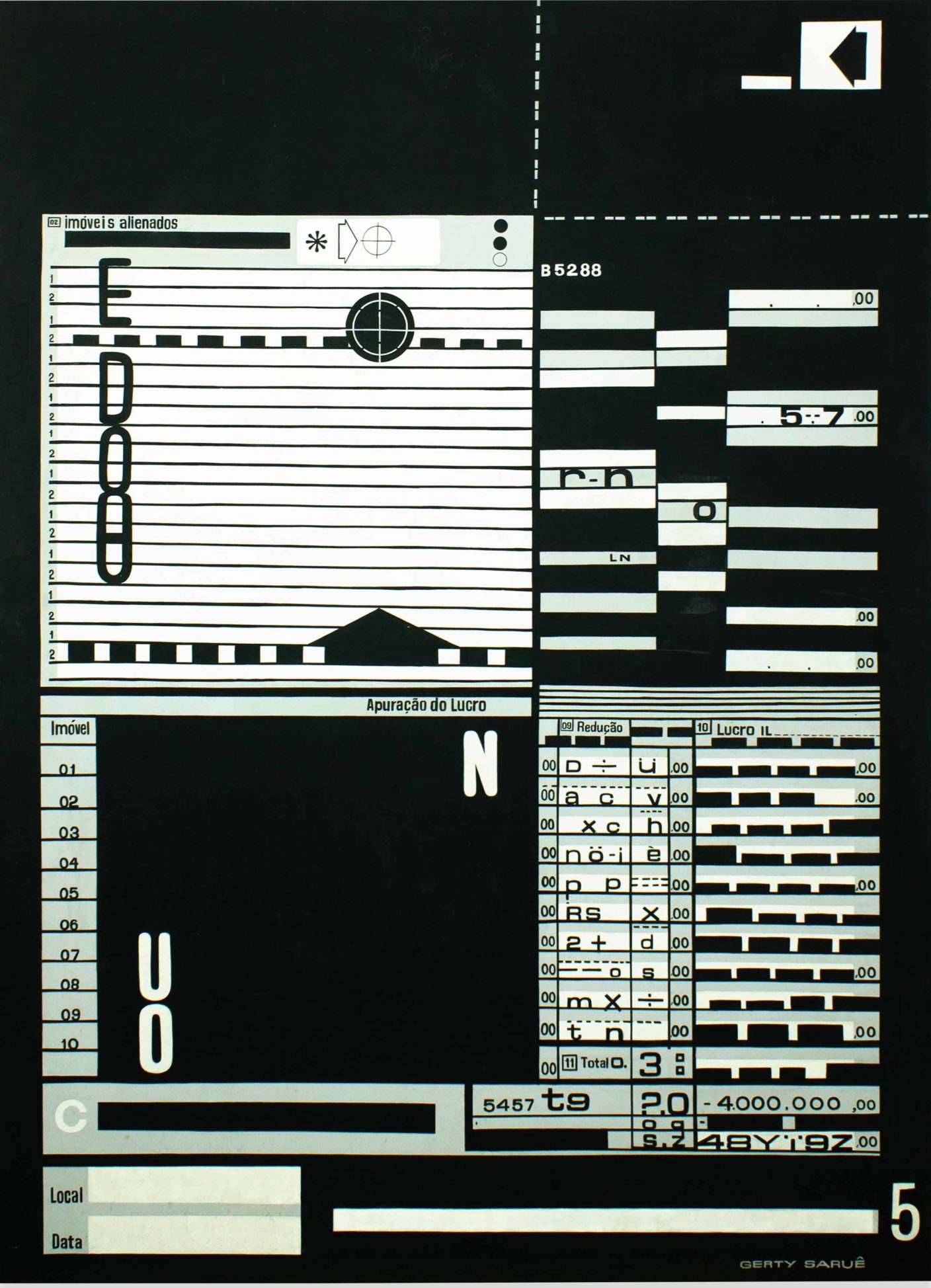
Sem título
Acrylic on wood200 × 146 cm


Buraco Negro
1992
Oil stick on paper
70 × 1o cm


Sem título
1992Oil stick on paper
50 × 7o cm


Sem título
1992
Oil stick on paper
56 × 76 cm


Sem título
1992
Oil stick on paper
70 × 100 cm
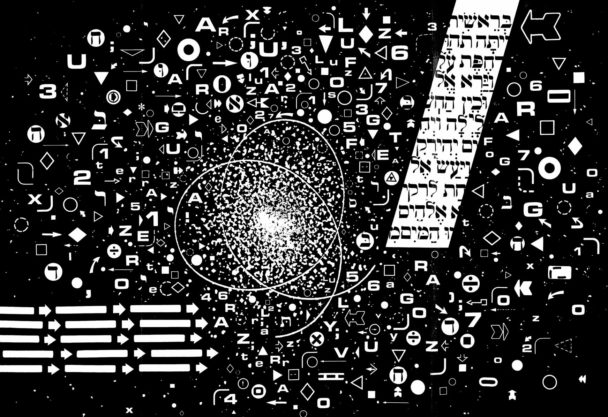
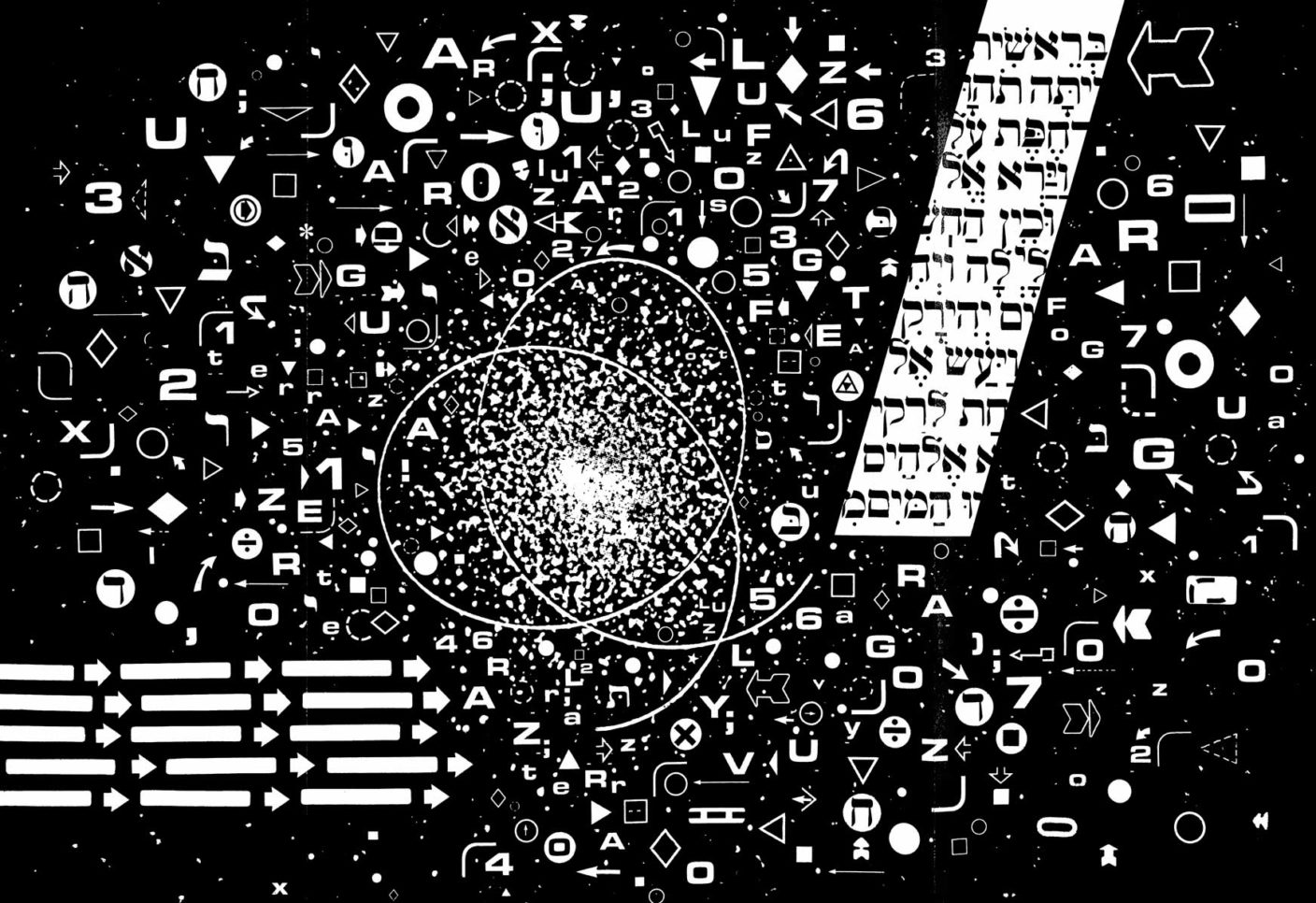
Sem título
Graphic essay from 1993 for the booklet ‘Bere’shith — A cena da origem’ (2000) by Haroldo de Campos, published by Perspectiva


View of the exhibition ‘Projeções 2— Arte e Palavra’ in 1996, at Livraria Vozes in São Paulo.
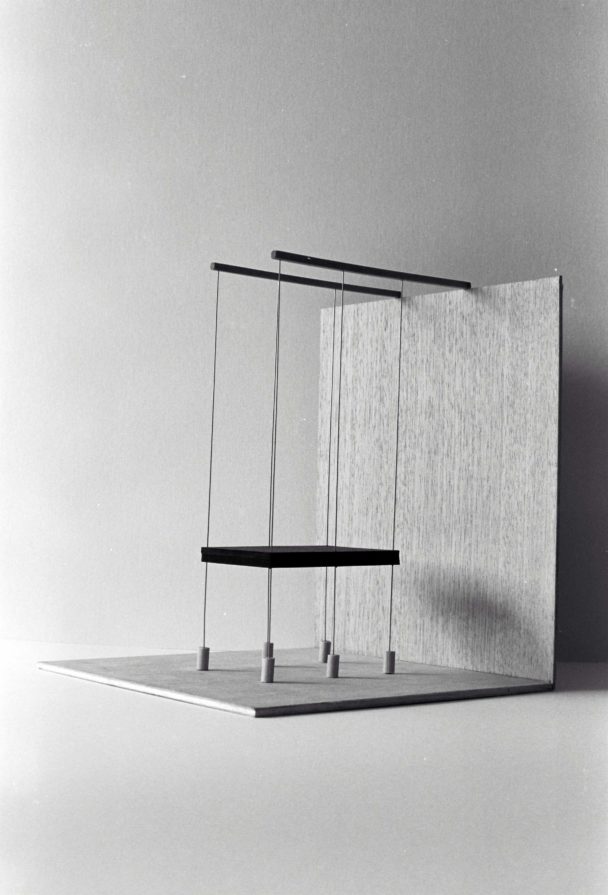
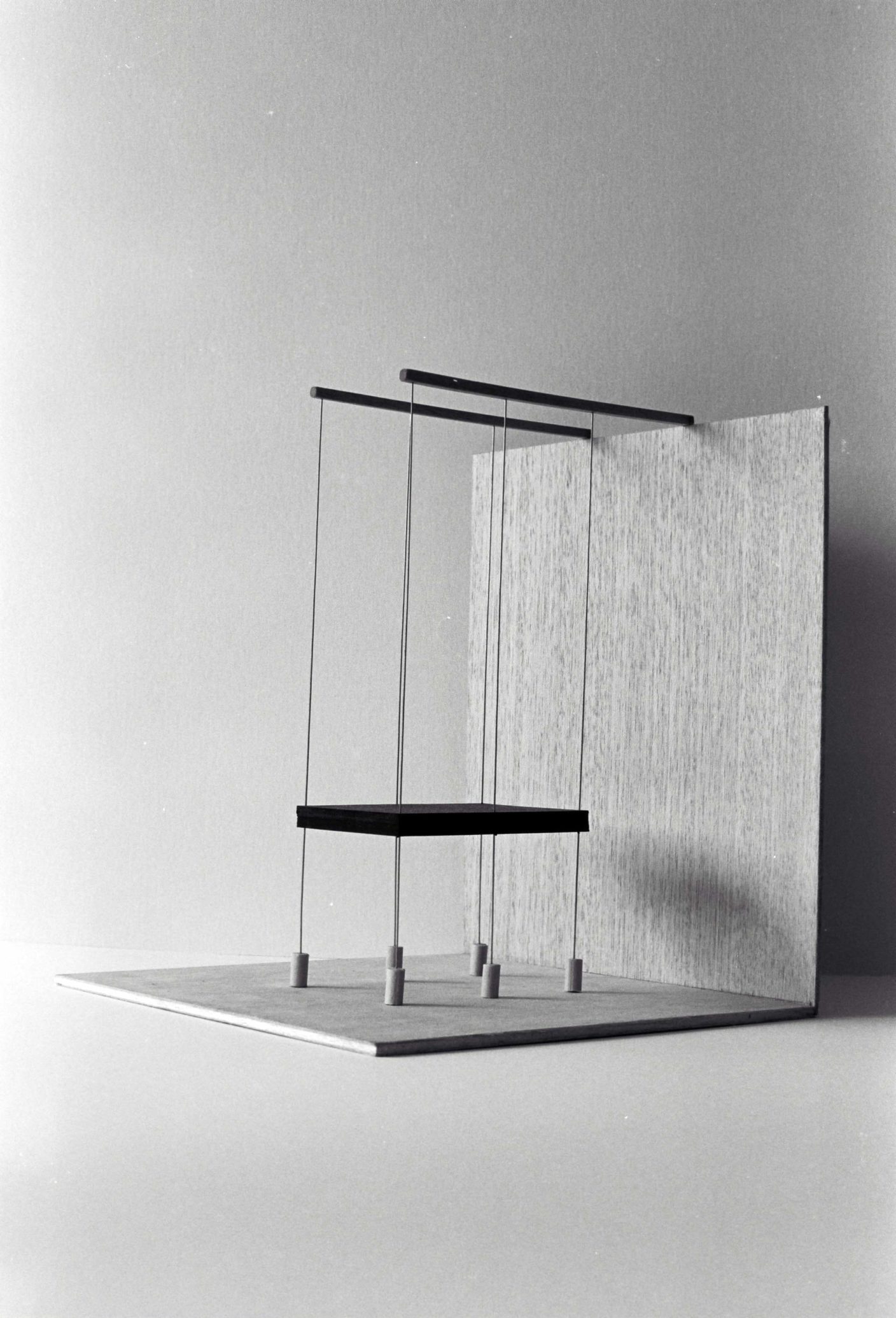
Sem título
1996Rubber and wire sculpture
Variable dimensions
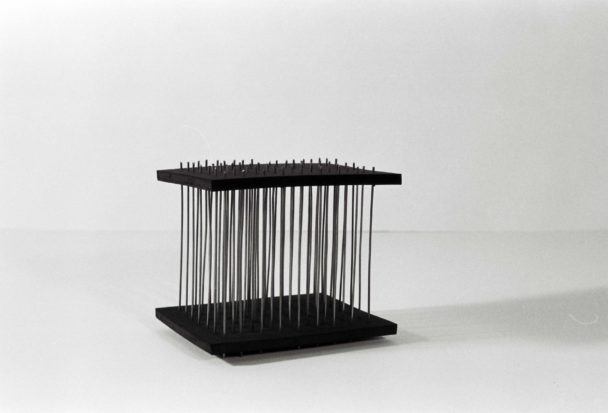
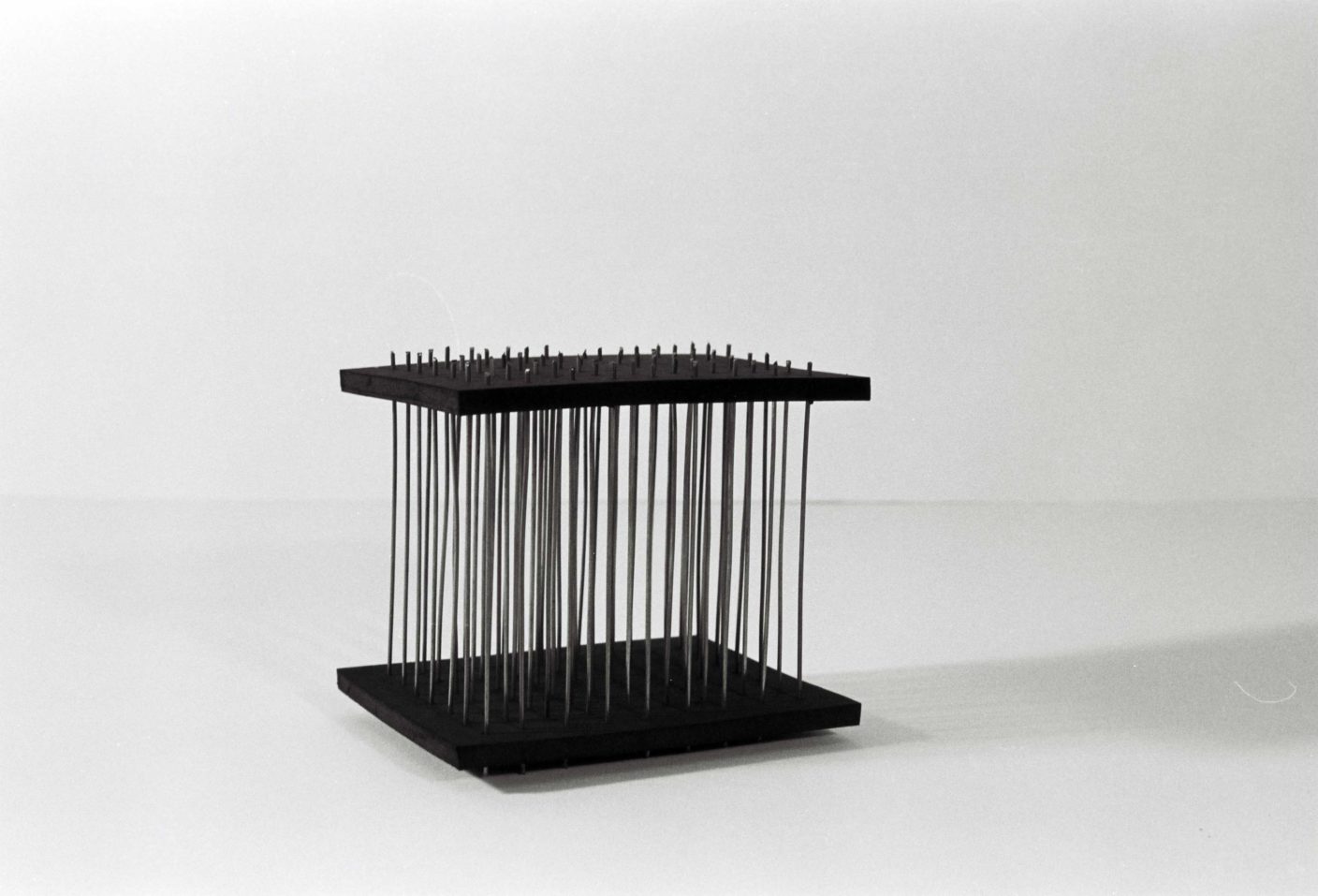
Sem título
1996
Rubber and wire sculpture
Variable dimensions
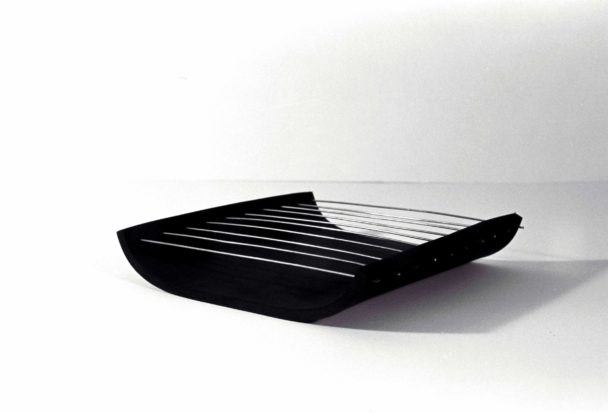
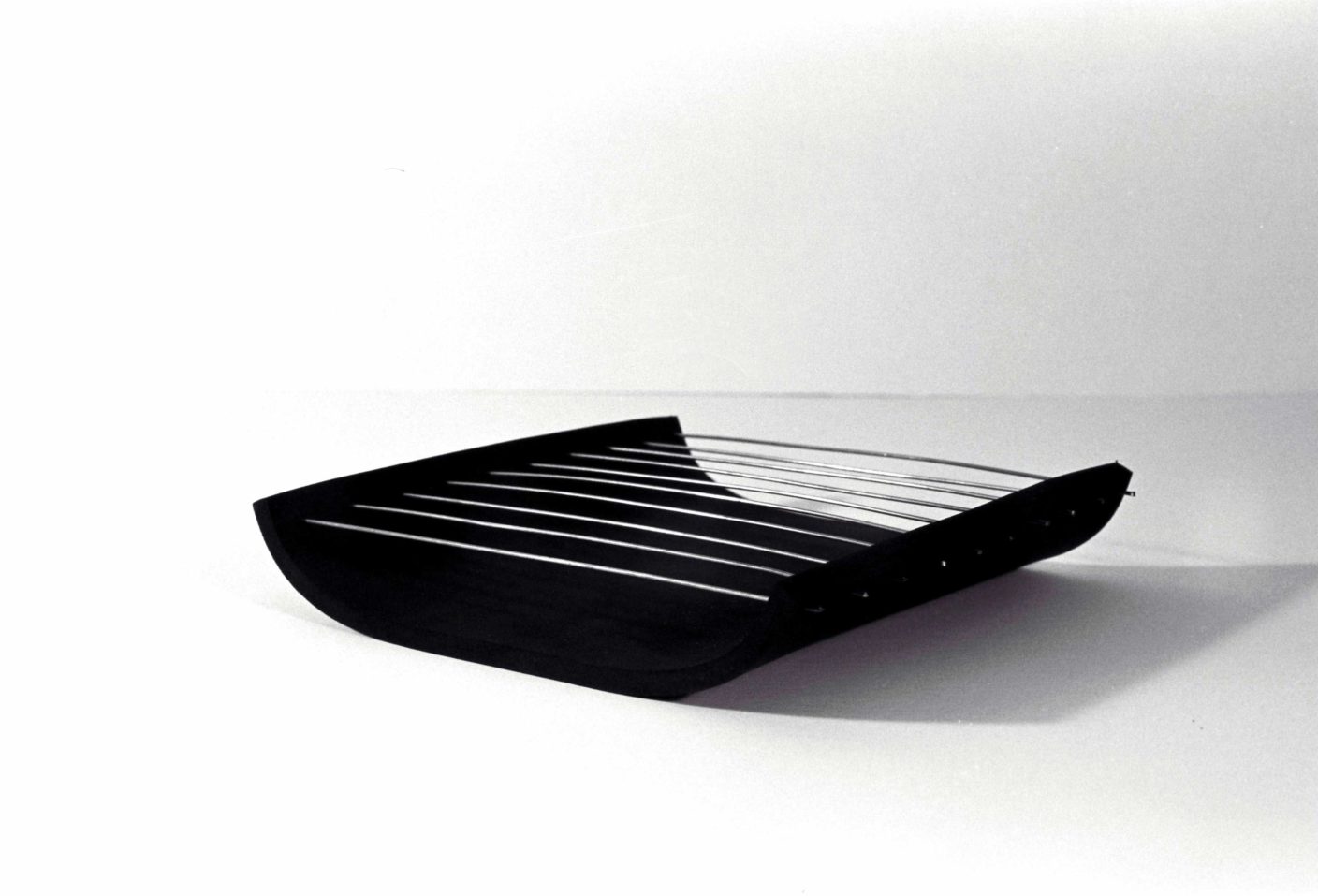
Sem título
1996
Rubber and wire sculpture
Variable dimensions
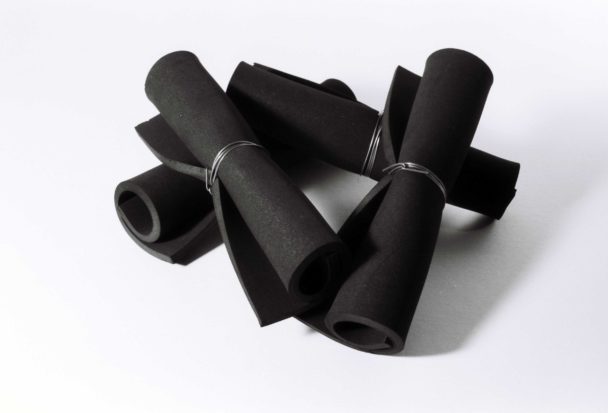
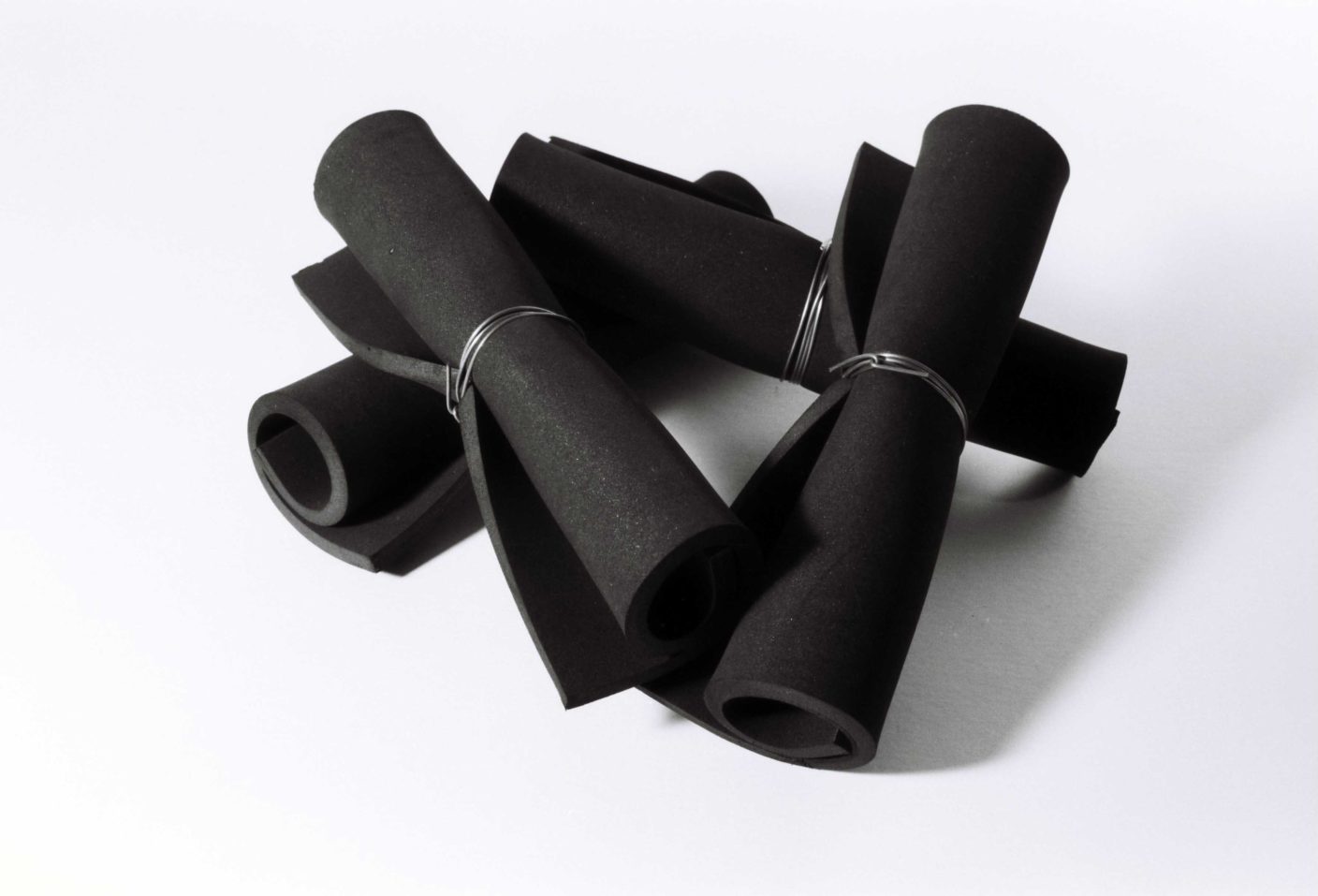
Sem título
1996
Rubber and wire sculpture
Variable dimensions
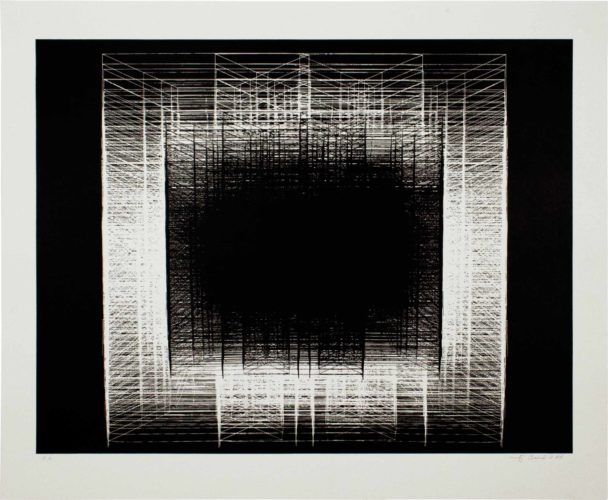
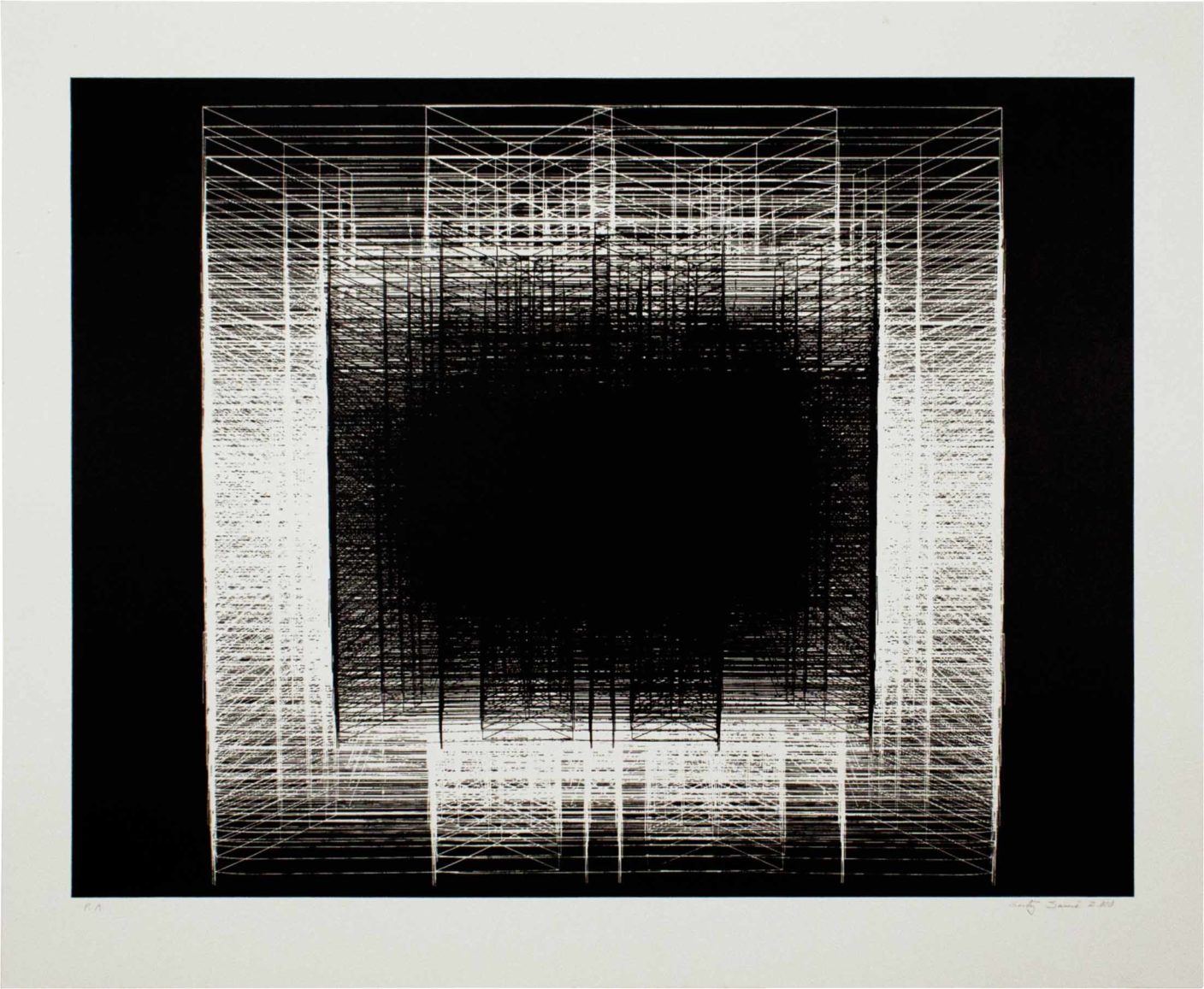
Sem título
2000
Serigraphy
71 × 86, 5 cm
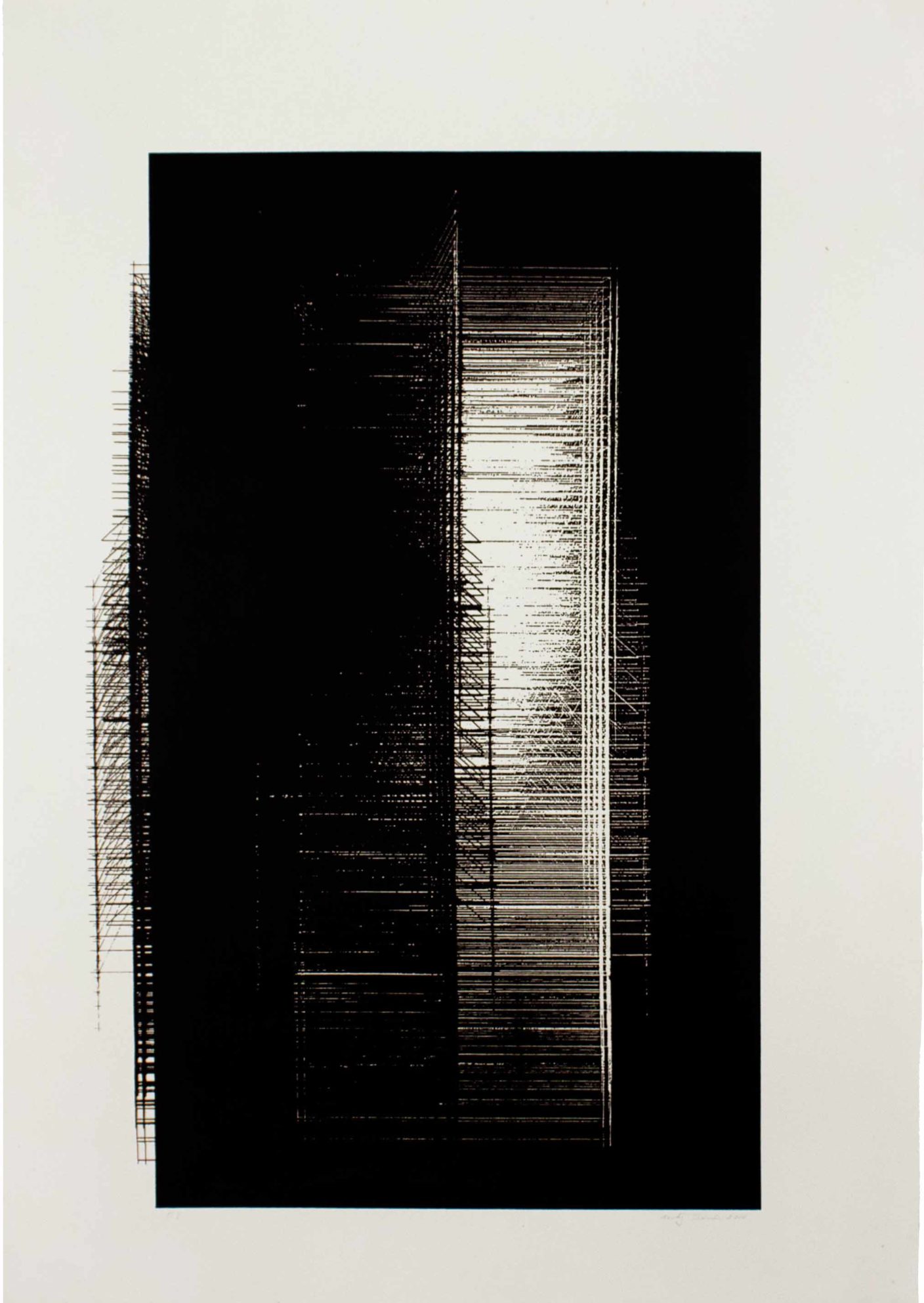
Sem título
2000
Serigraphy
100 × 70 cm
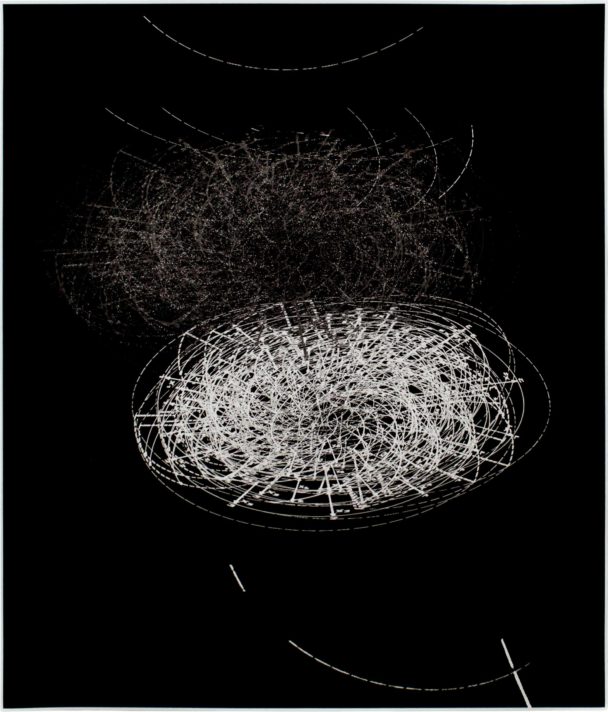
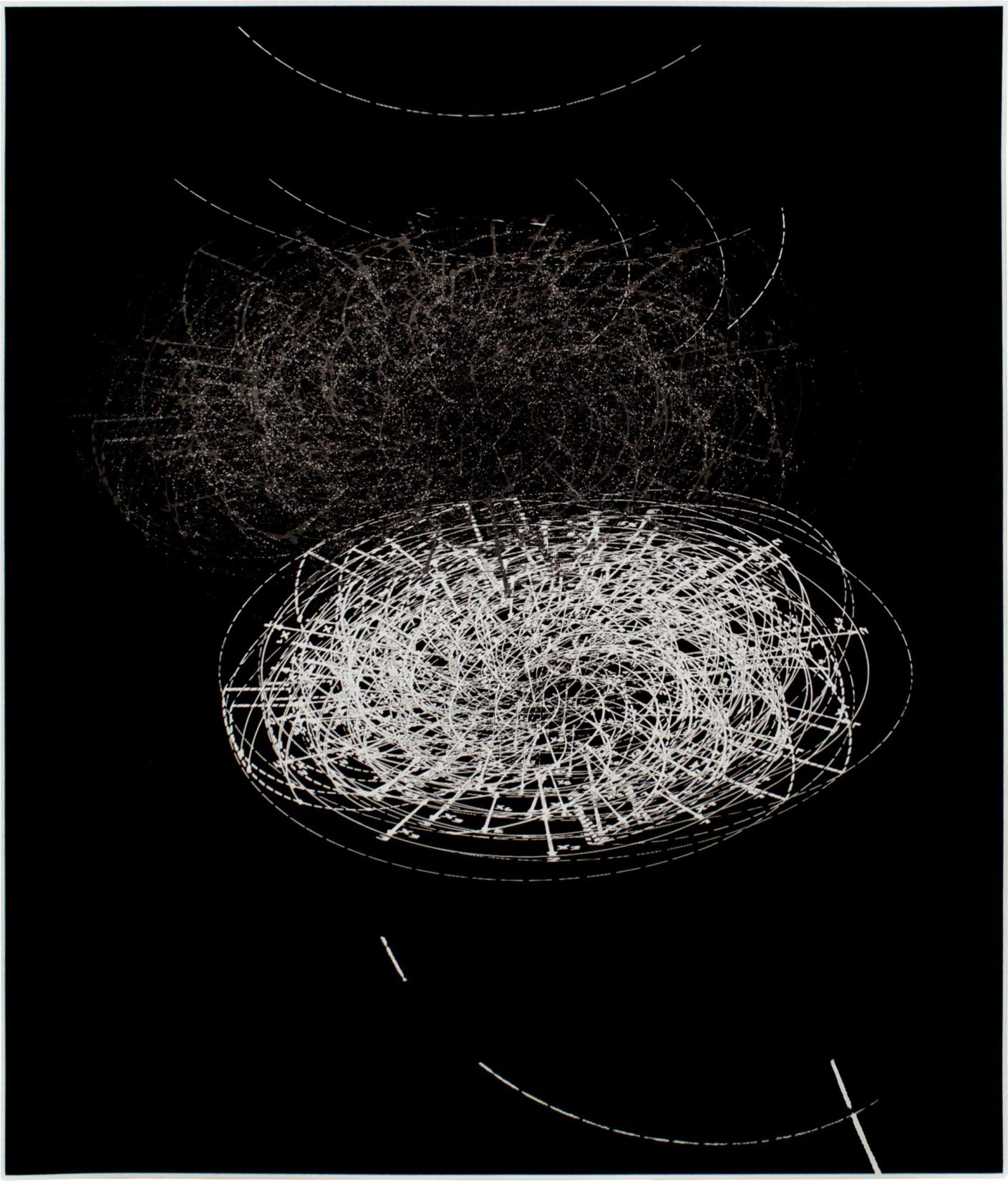
Nebulosa
2000
Digital printing
90 × 77 cm
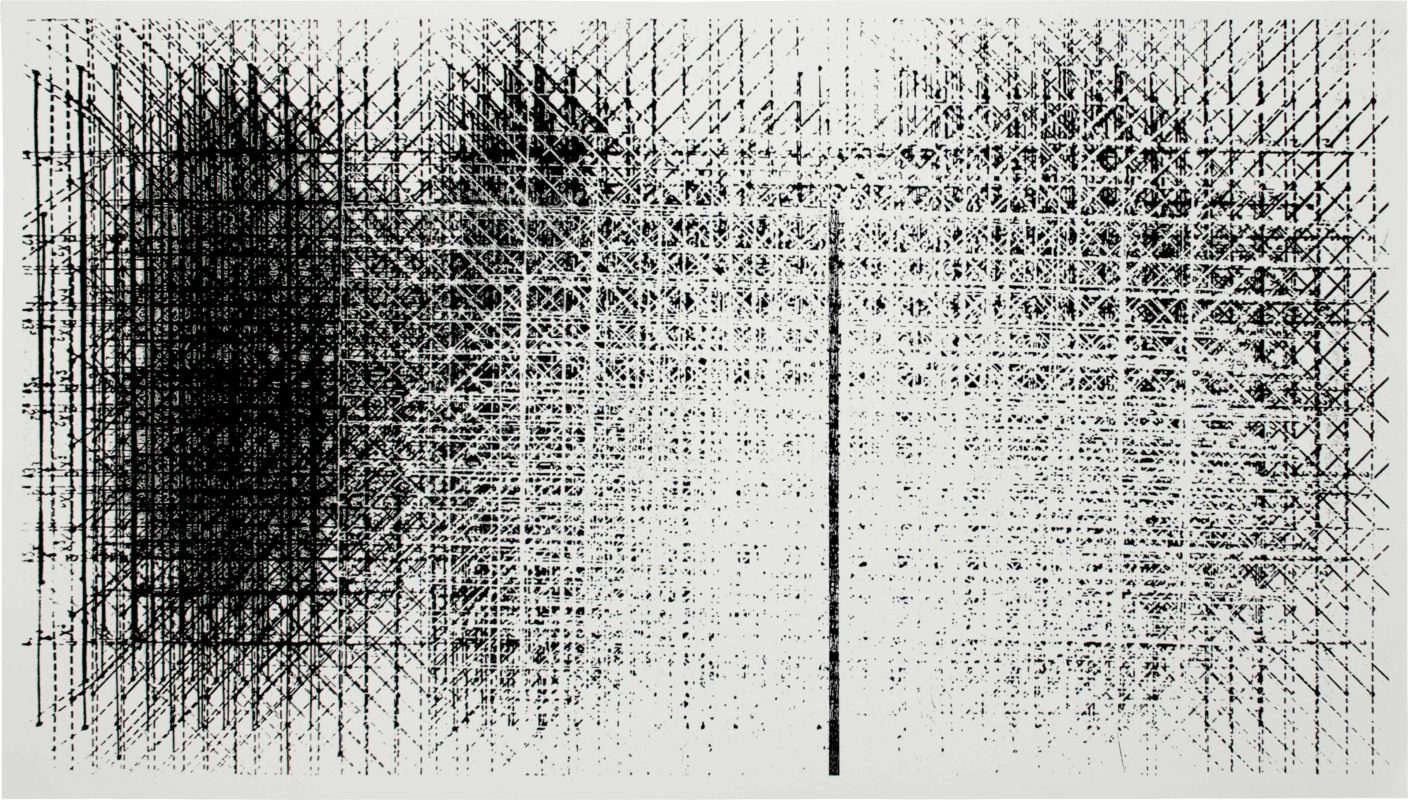
Sem título
2000
Digital printing63 × 110 cm


Sem título
2000
Oil stick on paper70 × 100 cm


Bolas originais
2000Oil stick on paper
23 × 30 cm


Quadrados
2000
Oil stick on paper30 × 42 cm


Bolas triplas
2000
Oil stick on paper24 × 32 cm


Coluna branca
2002
Oil stick on paper
24 × 32 cm


Coluna preta
2000
Oil stick on paper24 × 32 cm


Sem título
2000
Oil stick on paper23 × 31 cm


Garras
2000
Oil stick on paper24 × 32 cm


Carreta
2000
Oil stick on paper20 × 42 cm